
Last updated October 16, 2026
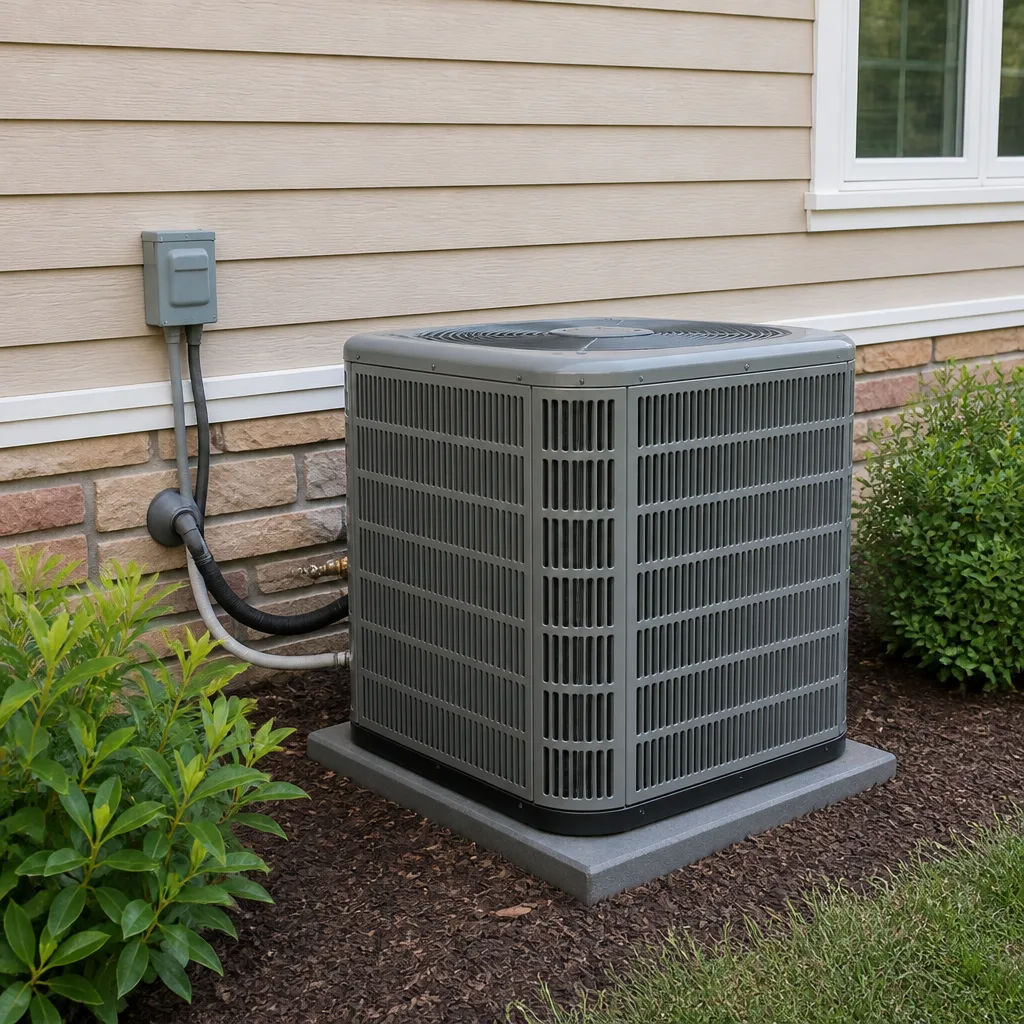 AC repair
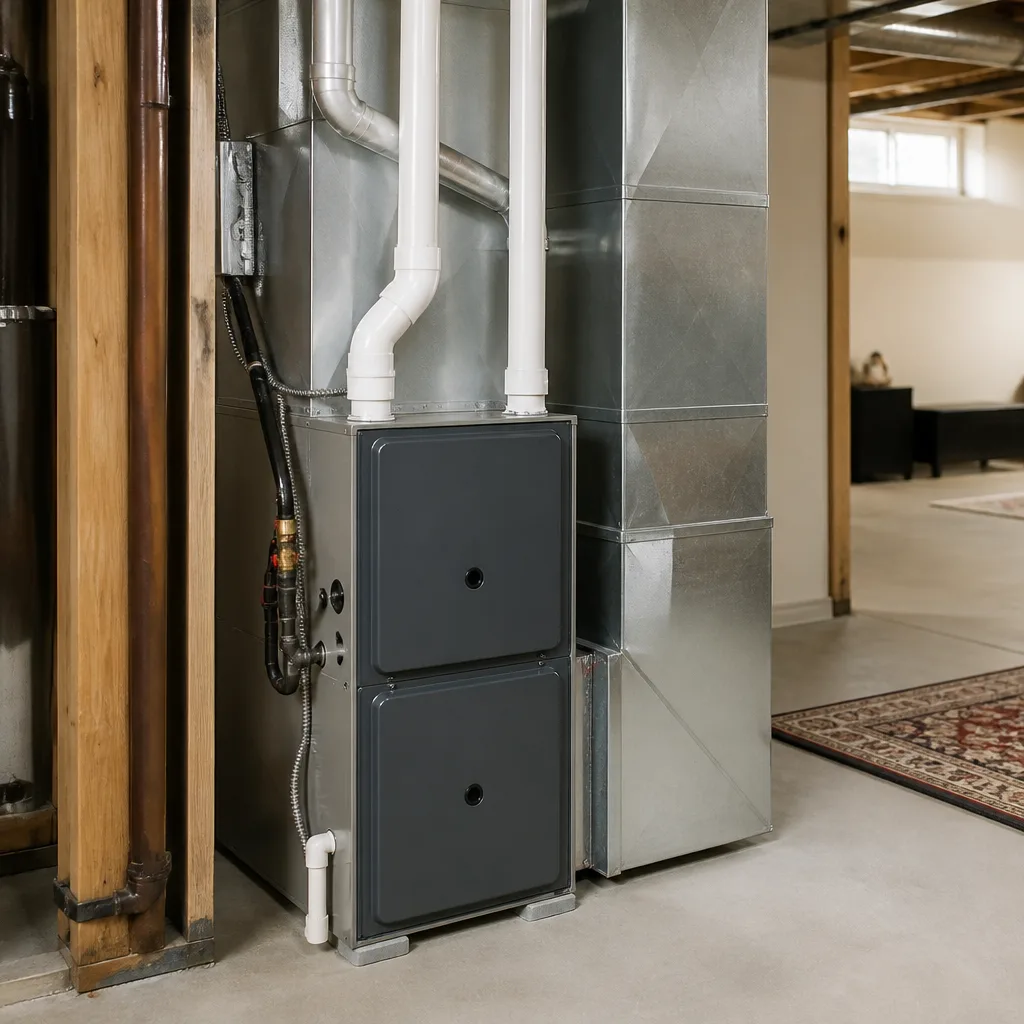 Furnace & heating
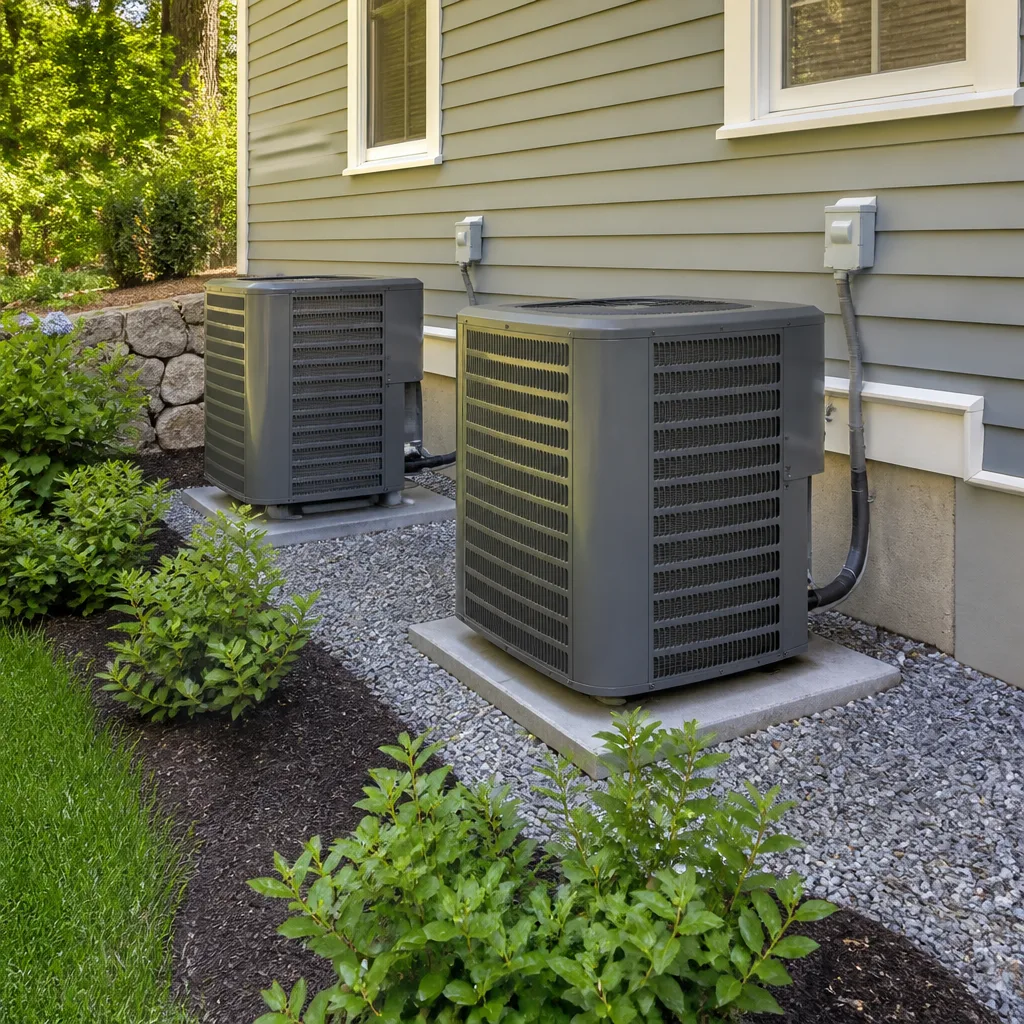 Heat pumps
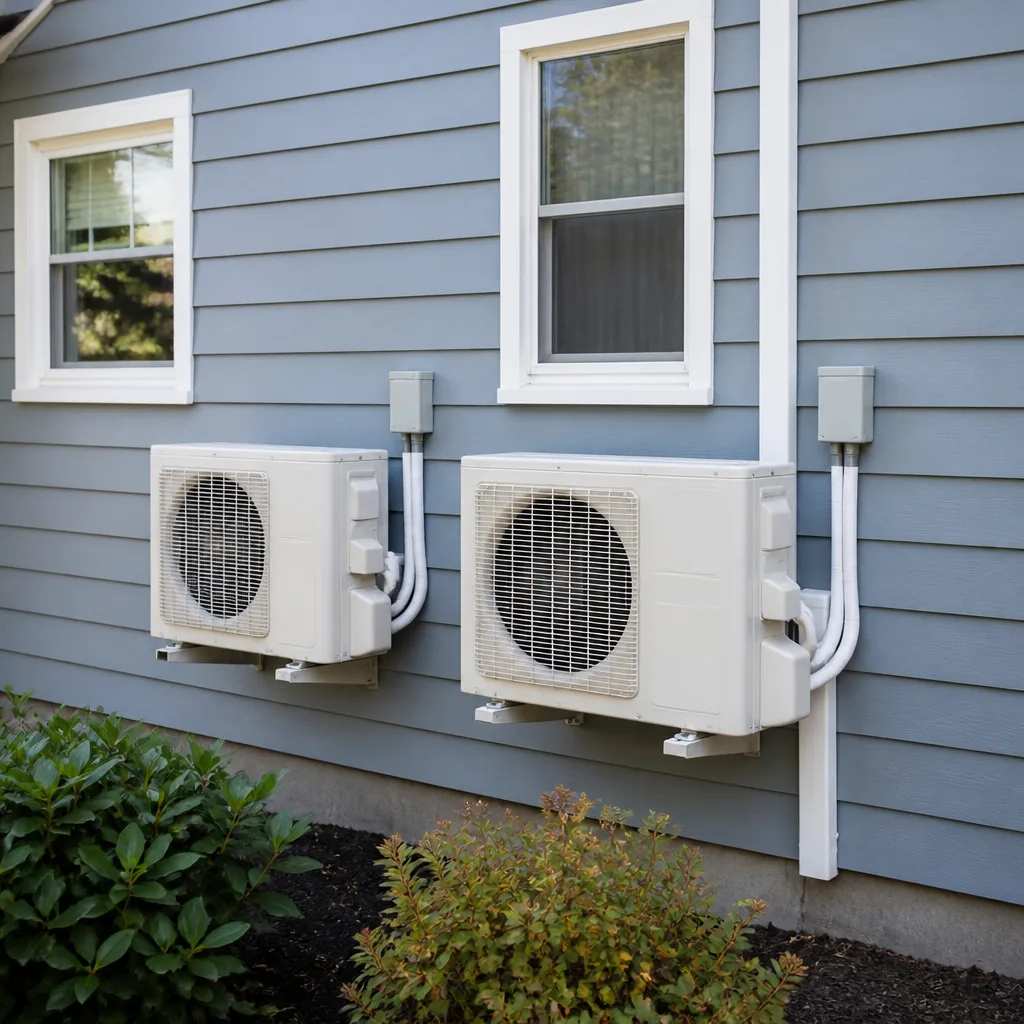 Ductless mini splits
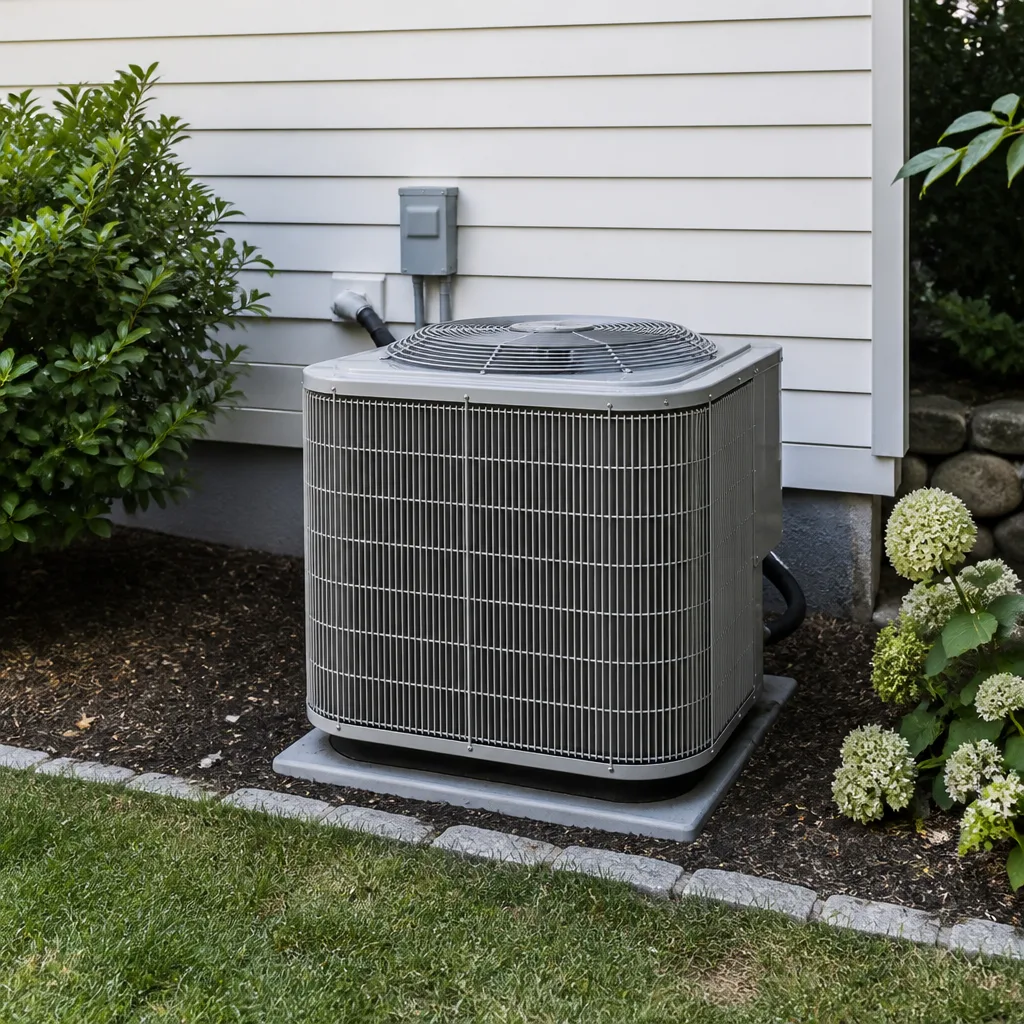 Carrier
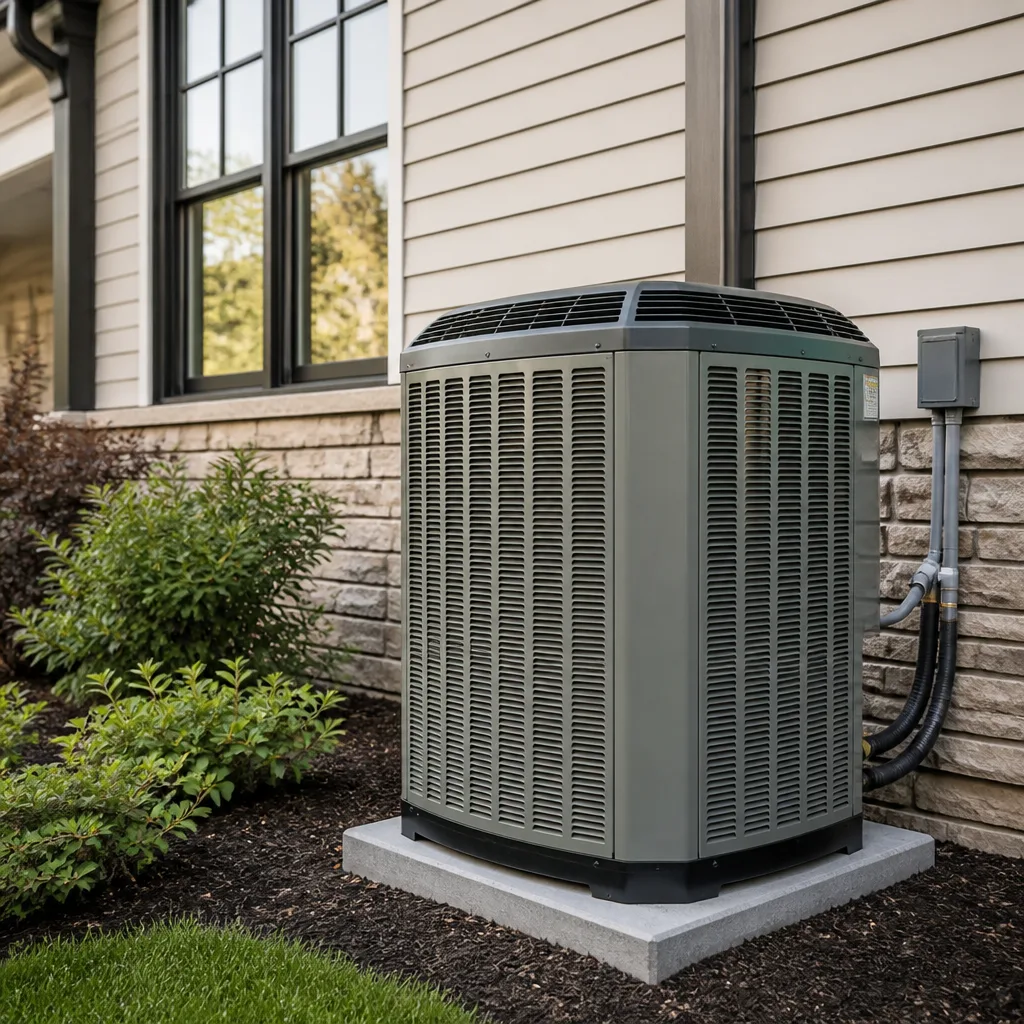 Trane
Trane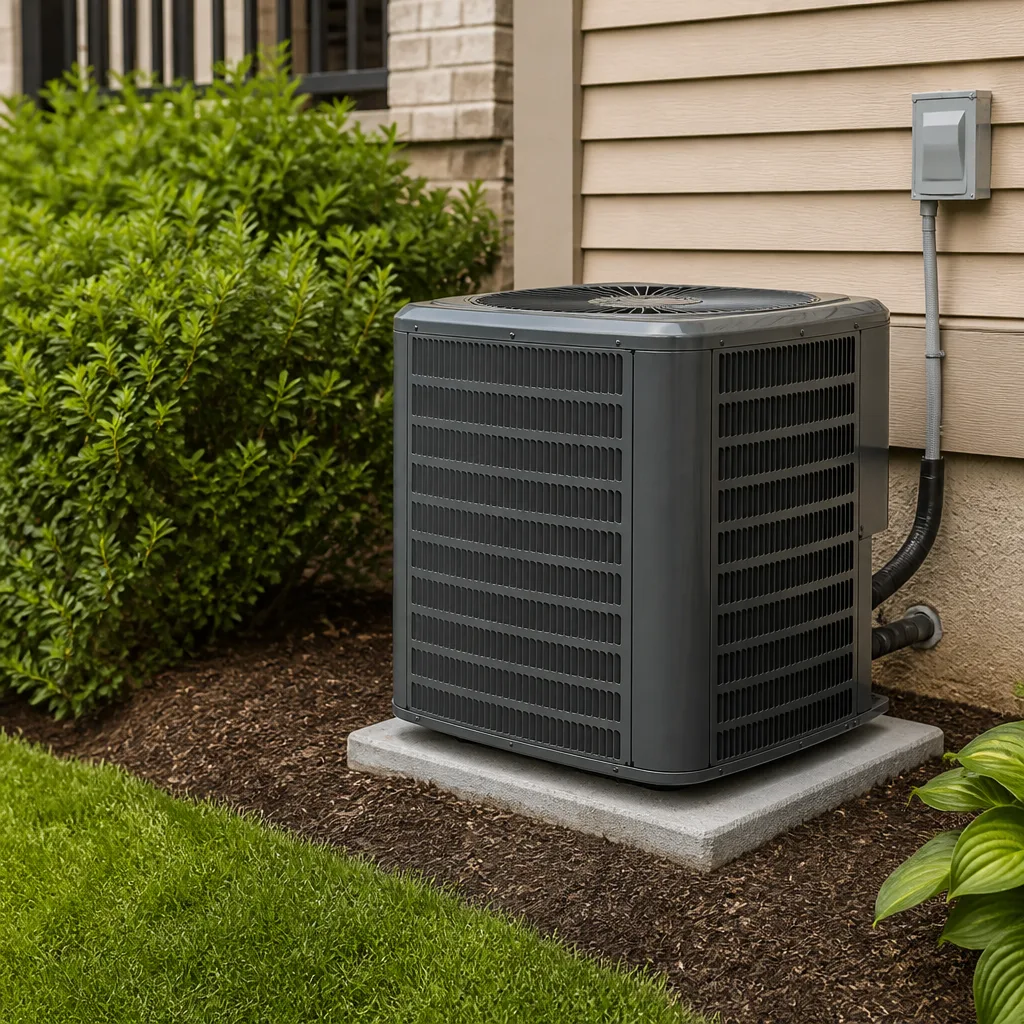 Goodman
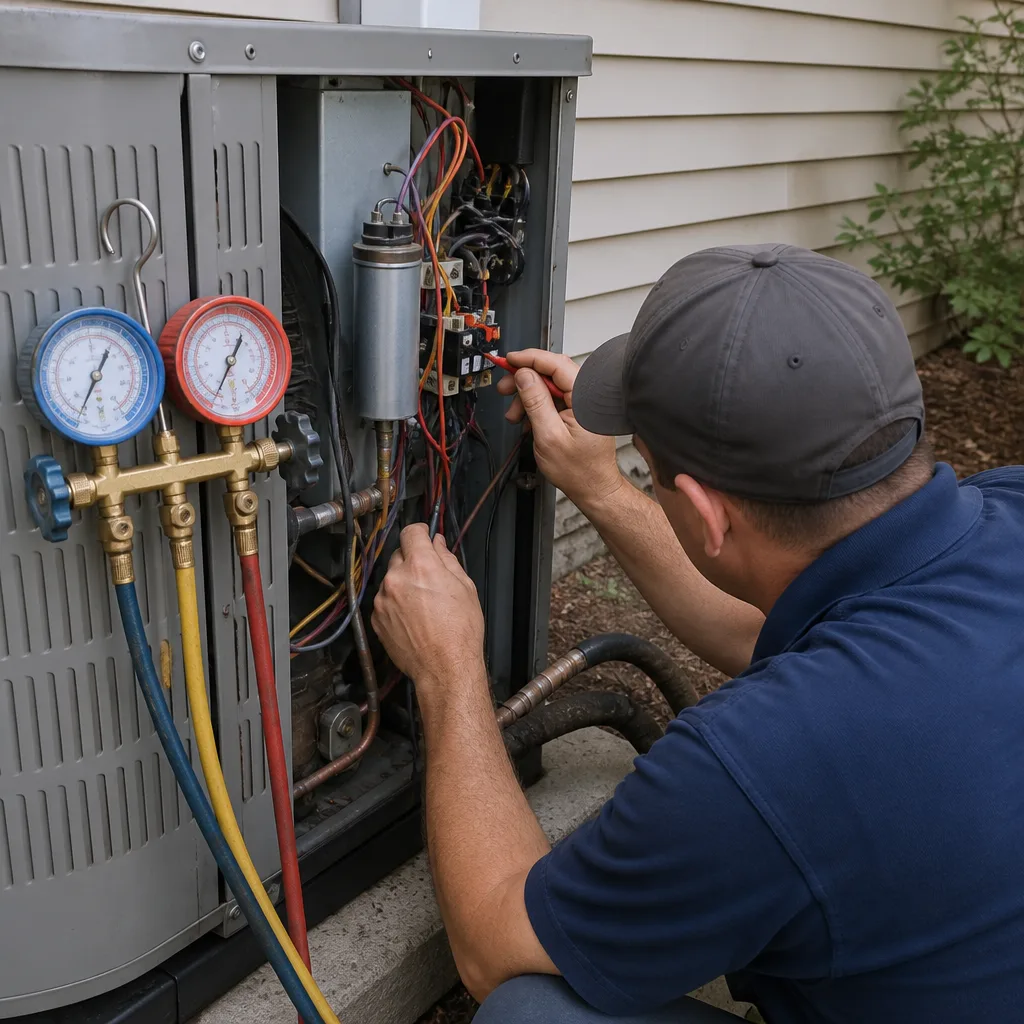
Seasonal tune-up and full diagnostic on your Carrier, Trane, or Goodman system - readings shown to you before any repair is proposed
Diagnosis first, numbers second - you approve the repair price before a single part goes in.
Get your free estimateHow to Hire a HVAC Contractor in Tampa: A Step-by-Step Guide
In Hillsborough County alone, HVAC complaints rank among the top five contractor categories filed with the Florida DBPR every year, and the majority involve pricing disputes, not bad workmanship. Read that again. The problem was hirable, not fixable. This guide gives Tampa homeowners a pre-hire screening process you can run in under 15 minutes, before anyone steps foot in your house, so you never become another complaint statistic. You’ll learn how to verify a Florida license in 60 seconds, the five questions that expose doorstep pricing, how to read reviews for the red flags that actually matter, and what a legitimate written quote must include before you sign anything.
Styles & brands we work with
Quick Answer
To hire an HVAC contractor in Tampa, verify their Florida CAC license on the DBPR website, ask for a written line-item quote before any work starts, confirm who handles permits, and read reviews specifically for pricing-complaint patterns, not just star ratings. A reliable contractor will answer the five screening questions in this guide without hesitation and put the price, warranty terms, and scope of work in writing before picking up a tool. For more on what fair pricing looks like, see our HVAC Cost Breakdown: The Tampa Homeowner’s Reference for 2026.
Table of Contents
- Verify the Florida CAC License in 60 Seconds
- The Five Questions That Expose Doorstep Pricing
- Why “Family Owned” and “Years in Business” Don’t Predict Reliability
- How to Read Google and Nextdoor Reviews Like an Investigator
- What a Legitimate Written Quote Must Include
- Who Pulls the Permit in Tampa, and Why It Matters
- What to Know About Equipment Brands Before You Commit
- Common Mistakes to Avoid
- When to Call a Professional
- Frequently Asked Questions
- The Bottom Line
Verify the Florida CAC License in 60 Seconds
Most Tampa HVAC contractors are licensed. That’s the baseline, not the differentiator. What most homeowners don’t know is that Florida issues different license categories, and each one limits the scope of work a contractor can legally perform. A CAC license (Certified Air Conditioning Contractor) is the unrestricted credential that allows a contractor to work anywhere in Florida. A CACR (Registered Air Conditioning Contractor) is more limited. Understanding the difference takes less than a minute and can save you from hiring someone who technically cannot pull a permit for your job.
Here’s the 60-second verification process we recommend to every homeowner in Tampa before booking:
- Go to the Florida DBPR website (myfloridalicense.com) and select “Verify a License.”
- Search by the business name or the individual contractor’s name. Every legitimate HVAC contractor in Florida must display their license number on their website, vehicle, and any advertising.
- Confirm the license type is CAC (Certified Air Conditioning Contractor) or CACR (Registered Air Conditioning Contractor) for residential HVAC work.
- Check the license status. “Current, Active” is what you want. “Delinquent,” “Inactive,” or any disciplinary notation is a red flag you should not ignore.
- Look at the license issue date. A contractor who has held an active Florida license for five or more years has survived at least a few Tampa summers, which is no small thing.
One more thing worth knowing: a CAC license is issued to an individual, not a company. When you call a company, the technician who arrives may work under the license of an owner or a qualifying agent. That’s normal and legal. What matters is that the company can produce the license number instantly when asked, and that the number checks out active on the DBPR site. If anyone hesitates or gets defensive when you ask for a license number, that’s your cue to end the call and move on to the next contractor on your list.
The Five Questions That Expose Doorstep Pricing
Doorstep pricing is the most common complaint we hear about in the Tampa HVAC market, and it almost always follows a predictable pattern. A company quotes a low diagnostic fee over the phone, the technician arrives, and suddenly the repair costs three or four times what you expected. The worst part is this happens after you have already paid the trip charge, so you feel locked in. The five questions below are designed to expose that pattern before you book. Any contractor who cannot answer these cleanly is telling you something important about how they run their business.
- Can you send me a written quote before the technician arrives? Many companies will not or cannot do this. They claim every job is different, which is true, but a written quote with a diagnostic range and clearly stated trip fee conditions is entirely possible. At Halden Heating and Air Tampa, we deliver a written price before any work starts, every single time.
- Does your diagnostic fee convert to a credit if I approve the repair? Some companies keep the diagnostic fee even when you hire them for the repair. Others roll it into the total job cost. Neither approach is wrong, but you deserve to know which one applies before the technician pulls into your driveway.
- What happens if the scope of work changes after you open the unit? This is the question that separates transparent companies from doorstep pricers. A straight answer sounds like this: “We stop work, show you what we found, explain the new price in writing, and wait for your approval before continuing.” A vague answer sounds like this: “We’ll figure it out as we go.” You want the first kind.
- Does your company provide a written guarantee on repairs? In Florida, roof rats, humidity, and salt air all take a toll on HVAC equipment, and everyone in the Tampa Bay area knows a repair can fail. Every repair should come with a written guarantee, not a verbal promise. We include a written guarantee on every repair and a free second visit if the repair fails, automatically.
- Who is responsible for pulling the permit on installation work? If a company says you don’t need a permit for a full system change-out in Tampa, that is a serious problem. Pulling the permit is the contractor’s responsibility, and a legitimate company will say so without hesitation. We handle permit responsibility as a standard part of AC Installation in Tampa.
If a contractor trips over any of these questions, you have learned something valuable at no cost. Move on.
Why “Family Owned” and “Years in Business” Don’t Predict Reliability
Walk through any Tampa neighborhood with aging HVAC equipment, and you will see trucks emblazoned with “Family Owned Since 1998” or “Serving Tampa Bay for 30 Years.” These phrases sound reassuring, and in some cases they are true. But they are marketing phrases, not reliability indicators. A company can be family owned and still run on doorstep pricing. A company can be in business 25 years and still have a trail of unresolved complaints. Longevity tells you the company survived. It doesn’t tell you how they treat the next customer, which is you.
What actually predicts reliability? Here’s what we tell homeowners to look for instead:
- Permit history. A company that pulls permits on installations leaves a paper trail with Hillsborough County. If a company has been operating for years but has no permit history, that’s not a sign of a streamlined operation. That’s a sign they cut corners.
- Review response patterns. Every company gets a bad review eventually. What matters is how they respond. Do they acknowledge the issue and offer to make it right, or do they argue with the customer in public? The response tells you more than the review itself.
- Financing transparency. A company that offers financing should be willing to show you the terms in writing, including the interest rate and payment schedule, before you sign. If the financing discussion feels vague or rushed, walk away.
- Guarantee in writing. A verbal guarantee is not a guarantee. If the company is unwilling to put the warranty terms in writing as part of the quote, that’s a red flag that would catch most Tampa homeowners off guard later.
Halden Heating and Air is independently owned and operated, founded in 2004, and part of the Relay Home Co. network. We don’t lean on family heritage stories. We lean on a written price before work starts and a written guarantee on every completed job, because those are the things that actually protect you.
How to Read Google and Nextdoor Reviews Like an Investigator
Most homeowners read the star rating and skim the top three reviews. That’s exactly what a bad contractor wants you to do. The signal you need is buried in the negative reviews and the middle-of-the-road three-star reviews, because that’s where systemic problems show up. A five-star review tells you the technician was polite. A one-star review with specific language tells you whether the company has a pricing problem, a communication problem, or a workmanship problem.
Here’s how to read reviews for an HVAC contractor in Tampa specifically:
- Look for the phrase “they quoted me one price and charged me another.” This is the doorstep pricing pattern. One review with this phrase might be an anomaly. Three reviews with this phrase is a company culture.
- Look for “I called and nobody answered” or “they never called me back.” In Tampa, where an AC failure in July is a genuine comfort and health issue, a company that cannot return calls during peak season is a company that will leave you waiting when your system goes down.
- Look for “the technician said I needed a new unit” on a review where the homeowner got a second opinion and repaired the old unit for a few hundred dollars. This pattern suggests upselling pressure, and it’s more common than most Tampa homeowners realize.
- Look at the dates on negative reviews. A company that had a bad stretch in 2022 and has been clean since may have fixed the problem. A company with a steady trickle of complaints every summer has not.
- On Nextdoor specifically, look for neighborhood-level pattern reports. Nextdoor posts like “Does anyone recommend an HVAC company?” often generate detailed local feedback. Pay attention to which companies get recommended consistently across multiple neighborhoods, from Westchase to Seminole Heights to New Tampa.
One more technique that works well: when you find a company you like, search the reviews for the word “warranty” or “guarantee.” You’ll quickly see whether customers had their guarantee honored or had to fight for it. That tells you what your experience will be like on day 400 if something goes wrong.
What a Legitimate Written Quote Must Include
A written quote is the single most important document in the hiring process, and the language used in it tells you almost everything you need to know. Some Tampa contractors send quotes that are one paragraph long, with a lump sum figure and no detail. That’s not a quote. That’s an opening position in a negotiation that hasn’t started yet. A legitimate written quote should read like a contract, because for all practical purposes it is one.
Here’s what belongs in a legitimate written quote before you sign:
- Line-itemized parts. The specific component being installed or replaced, with a part number or model number where applicable. “New compressor” is not a line item. “Copeland scroll compressor, model ZP42K5E” is a line item.
- Line-itemized labor. The labor cost broken out separately from the parts cost, with the estimated hours where applicable.
- Warranty terms in writing. What is covered, for how long, and what happens if the repair fails. At Halden Heating and Air Tampa, every repair includes a written guarantee, and a free second visit if the repair fails is included automatically.
- Permit responsibility. The quote should state clearly who pulls the permit, who pays for it, and who schedules the inspection. If the word “permit” doesn’t appear on the quote for installation work, ask why before you sign.
- Payment terms. What is due up front, what is due at completion, and whether financing is available. Vague payment language on a quote is a warning sign.
- Scope of work. Exactly what the job includes and, just as importantly, what it doesn’t include. “Install new condenser unit” without specifying whether that includes new refrigerant lines, electrical disconnect, pad, and startup is an invitation for add-on charges later.
Watch for legal gray-zone language. Phrases like “price valid subject to conditions found on-site” or “additional charges may apply based on access” are not inherently dishonest, but they create room for the final bill to drift upward. A legitimate quote should survive unchanged if the conditions you described on the phone were accurate. If the contractor’s own technician arrives and the situation matches what you described, the quoted price should hold.
Who Pulls the Permit in Tampa, and Why It Matters
Permit responsibility is the least discussed part of hiring an HVAC contractor, and it’s the one that creates the most problems down the road. For a deeper look at requirements, read HVAC Permits, Codes & Inspections in FL: What You Need to Know. In Tampa, a full system replacement (the outdoor condenser and the indoor air handler) requires a mechanical permit pulled through Hillsborough County. A repair, generally speaking, does not. The distinction is the scope of the work, not the cost of the job.
Here’s what you need to know in plain terms:
- Installations require permits. When you replace an entire AC system, the contractor is legally responsible for pulling the mechanical permit. If a contractor says you don’t need one, you’re talking to someone who is either misinformed or avoiding the inspection process. Neither is good.
- Repairs typically don’t require permits. Replacing a capacitor, contactor, or blower motor doesn’t require a permit. Our AC Repair in Tampa service handles these jobs, and most are priced between $150 and $500 depending on the part.
- The inspection protects you. When a permit is pulled, the county sends an inspector to verify the installation meets Florida building code. This catches problems like improper electrical connections, incorrect refrigerant line sizing, and missing safety features. It’s not bureaucratic overhead. It’s your protection.
- Permit history affects resale. If you sell your Tampa home and the buyer’s home inspector asks for permit records on the HVAC system, unpermitted work can become a negotiation issue or even a dealbreaker. Permitted work creates a clean paper trail.
Ask your contractor about permit responsibility before you sign. If the answer is clear and immediate, you’re working with a professional. If the answer is vaguely reassuring, get it in writing or find another contractor.
What to Know About Equipment Brands Before You Commit
Brand debates in HVAC are one of the biggest distractions in the hiring process. Homeowners often spend hours researching whether a Goodman is better than a Rheem or whether a York outperforms a Daikin in Florida humidity, when the truth is the installation matters far more than the brand. A top-tier unit installed poorly will underperform a mid-tier unit installed carefully. That’s not a platitude. It’s what we’ve observed repeatedly across thousands of Tampa jobs.
With that said, you should still know a few things. Goodman units are known for wide parts availability and reasonable repair costs, which matters in a city where summers punish equipment. Rheem builds units with a reputation for solid humidity control, which is a real advantage in Tampa’s climate, where the same AC system has to cool and dehumidify simultaneously. York and Daikin both produce strong mid-range and high-efficiency options. Halden Heating and Air is certified to service major brands including Carrier, Trane, Lennox, Goodman, Rheem, York, Daikin, Bryant, and American Standard.
What matters more than brand is whether the contractor will service the brand they install. Some Tampa contractors install a brand and then refer you elsewhere for warranty work. Ask directly: “Will you handle warranty claims on this unit, or do I contact the manufacturer?” You want the contractor to be the point of contact for warranty issues, not the manufacturer’s 800 number.
For furnace work, the same logic applies. Our Furnace Repair in Tampa service works on all major brands, and we explain the part and labor costs before we start, not after the furnace is torn apart.
Common Mistakes to Avoid
- Hiring the first company that answers the phone. In a Tampa heat wave, it’s tempting to take the first available technician. But the busiest companies are sometimes busy because they’re cheap, not because they’re good. Spend 15 minutes screening before you book.
- Accepting a verbal quote. Verbal quotes evaporate. A written quote with line items is the only version that has any standing if a dispute arises.
- Skipping the license check. It takes 60 seconds on the DBPR website, and it’s the fastest way to eliminate unlicensed operators working the Tampa market without insurance or accountability.
- Choosing based on the lowest diagnostic fee. A $29 diagnostic trip fee often becomes a $500 repair recommendation. A higher diagnostic fee from a company that credits it toward approved repairs can actually cost less in the end.
- Not asking about the guarantee before the work starts. If the guarantee is only explained after the job is done, you didn’t get a guarantee. You got a story.
- Assuming the brand name on the truck means certified service. A company can slap a Carrier sticker on a truck without being certified by Carrier. Ask about manufacturer certification specifically.
- Waiting until the system fails to start looking. The worst time to vet an HVAC contractor in Tampa is during a midnight AC failure in August. Find a contractor you trust before you need them, and save the number.
When to Call a Professional
Some HVAC issues are genuinely urgent. If your AC is blowing warm air in a Tampa summer, your system is short-cycling (turning on and off every few minutes), you hear grinding or squealing from the outdoor unit, or you smell burning near the furnace, call a licensed professional immediately. Attempting DIY fixes on refrigerant lines, electrical components, or gas furnace components is dangerous. Refrigerant is regulated, high-voltage connections can injure, and a cracked heat exchanger on a furnace can release carbon monoxide into your living space. Don’t diagnose those yourself. Halden Heating and Air Tampa offers free estimates in Tampa, and every repair comes with a written guarantee and a free second visit if the repair fails. Call (850) 608-1463.
Frequently Asked Questions
Most AC repairs in Tampa run between $150 and $500 depending on the part. Simple fixes like capacitor replacements are usually under $250. Refrigerant recharge (topping off the coolant your system needs to produce cold air) can range from $250 to $500 or higher if the system is low due to a leak that needs locating. Every repair at Halden Heating and Air Tampa comes with a written price before work starts. Call (850) 608-1463 for an exact quote, and the estimate is free.
Yes, we offer same-day AC repair in Tampa when the schedule allows. During summer peak demand, the window can stretch to the next morning, but live phone support is available 24 hours a day, 7 days a week, and every call is answered by a real person. Book online, get a live arrival time, and track your tech to the door, not a four-hour window.
A good rule of thumb we use in Tampa, where AC systems work hard for 9 to 10 months a year, is this: if the repair costs more than 50% of the unit’s remaining value, or if the system is over 12 years old and needs a major component like a compressor, replacement is often the better financial decision. Here’s the practical way to think about it: repair costs give you a working unit today, but repeated repair visits add up quickly. If you’re facing repairs every season, that money is better applied toward new equipment with a full manufacturer warranty. Call (850) 608-1463 and we’ll walk you through the numbers honestly, with a written price for both options.
During Tampa’s summer season, a response within 60 minutes is reasonable when you call during business hours. Halden Heating and Air answers every call with a live person, 24/7, so you’re never leaving a voicemail at midnight and hoping for a callback the next day. If a company regularly sends you to voicemail during business hours, that’s a customer service pattern you’ll experience again during surge demand.
Yes. Florida requires a CAC or CACR license for HVAC work, and you should verify it on the DBPR website before booking. Insurance matters too. Ask whether the company carries general liability insurance and workers’ compensation, and don’t accept “we’re working on it” as an answer. Halden Heating and Air is state-licensed, insured, and bonded, and every technician is background-checked.
A manufacturer’s warranty covers the component if it fails a certain period after installation. A contractor’s repair guarantee covers the workmanship, meaning the labor and the specific fix the technician performed. At Halden Heating and Air Tampa, every repair comes with a written guarantee, and if the repair fails within the coverage window, we come back at no charge. That’s our 365-Day Done Right Promise, and it’s included in writing with every job, not offered as an add-on. Call (850) 608-1463 for details.
The Bottom Line
Hiring an HVAC contractor in Tampa doesn’t have to be a gamble. The red flags are visible before anyone arrives at your door if you know what to look for: a contractor who can’t produce a license number in 60 seconds, a quote that’s one vague paragraph long, a company that won’t discuss permit responsibility, and reviews that repeat the phrase “they charged me more than they quoted.” A good contractor answers the five screening questions cleanly, puts everything in writing, and backs the work with a written guarantee. That’s the standard we hold ourselves to at Halden Heating and Air, and it’s the standard you should hold every Tampa HVAC company to. Start with our Halden Heating and Air Tampa home page to book online, or call (850) 608-1463 for a free estimate.
Written by Andre Fuller, Owner at Halden Heating and Air Tampa, serving Tampa since 2004. Explore more guides & resources for Tampa homeowners.
See the difference
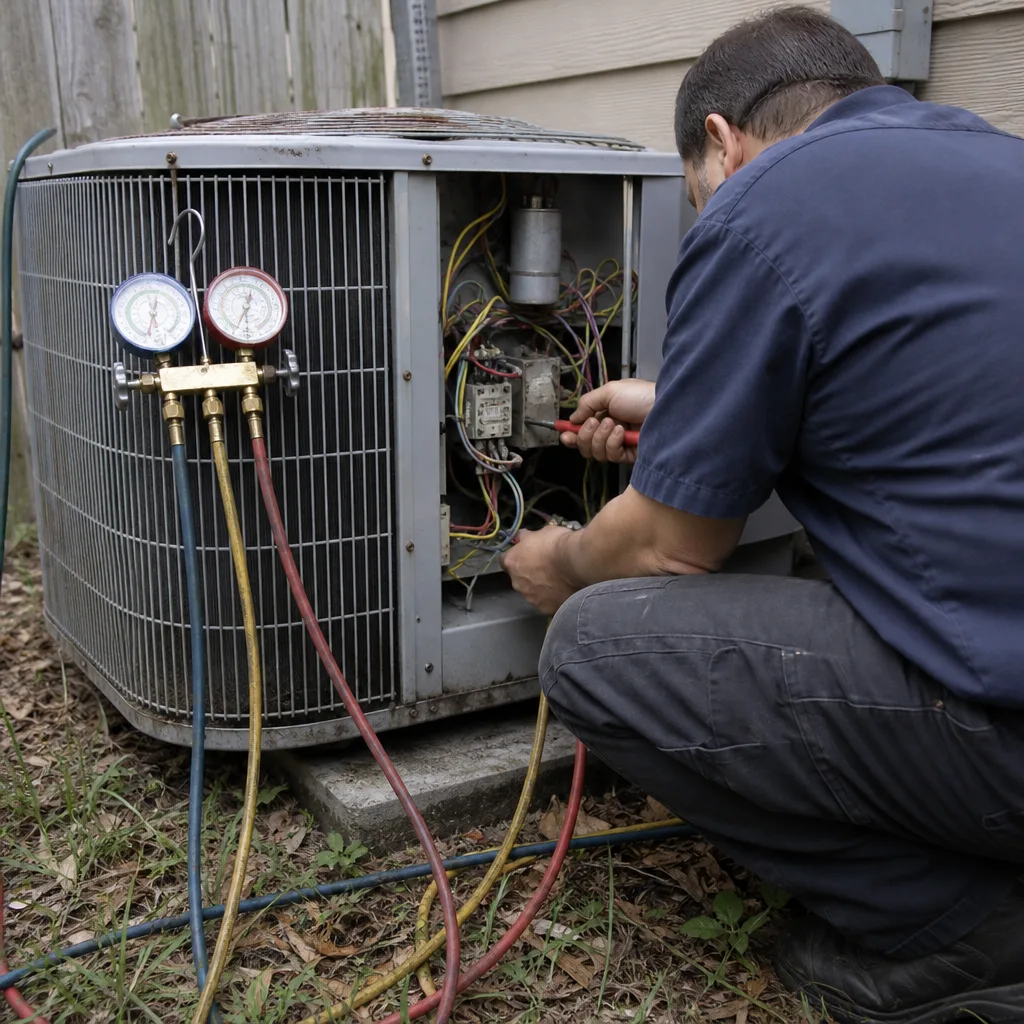 Before
 After
After Before
 After
After Before
 After
After