
Last updated October 16, 2026
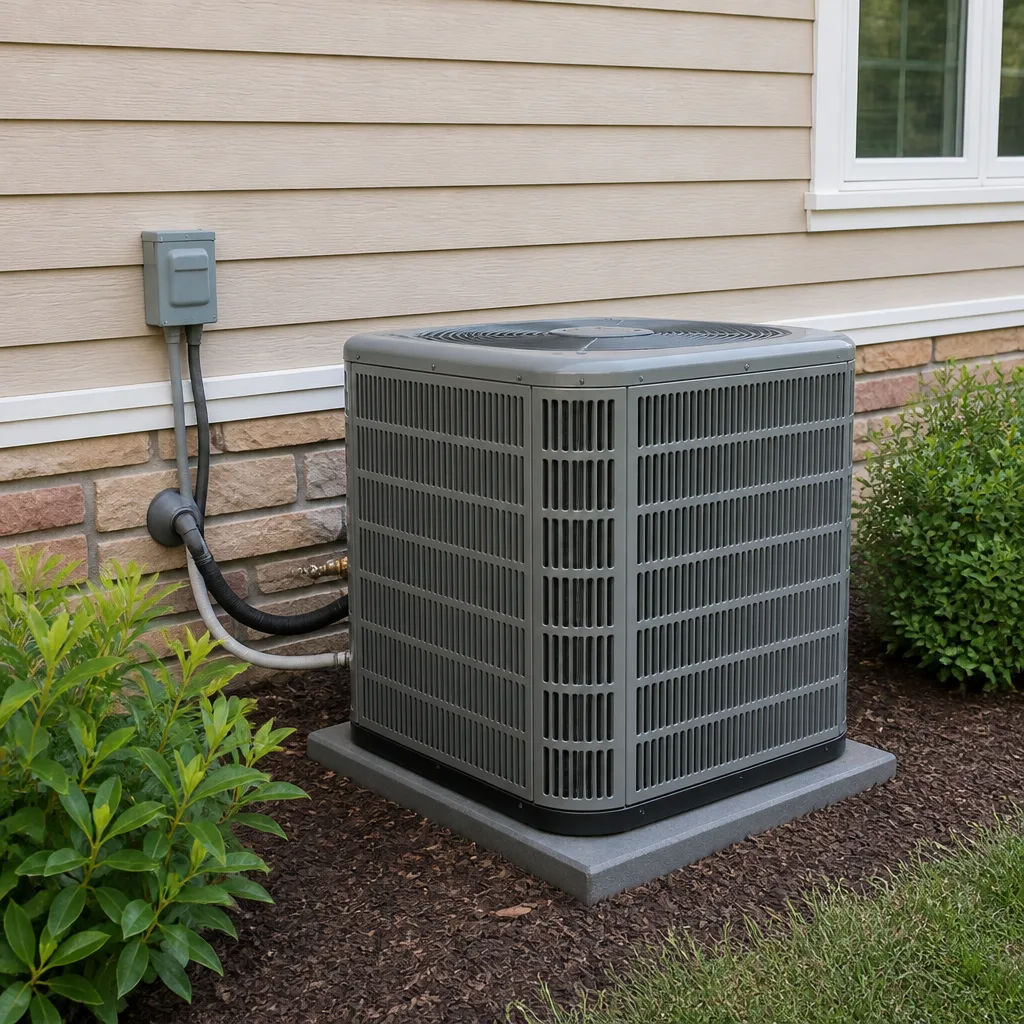 AC repair
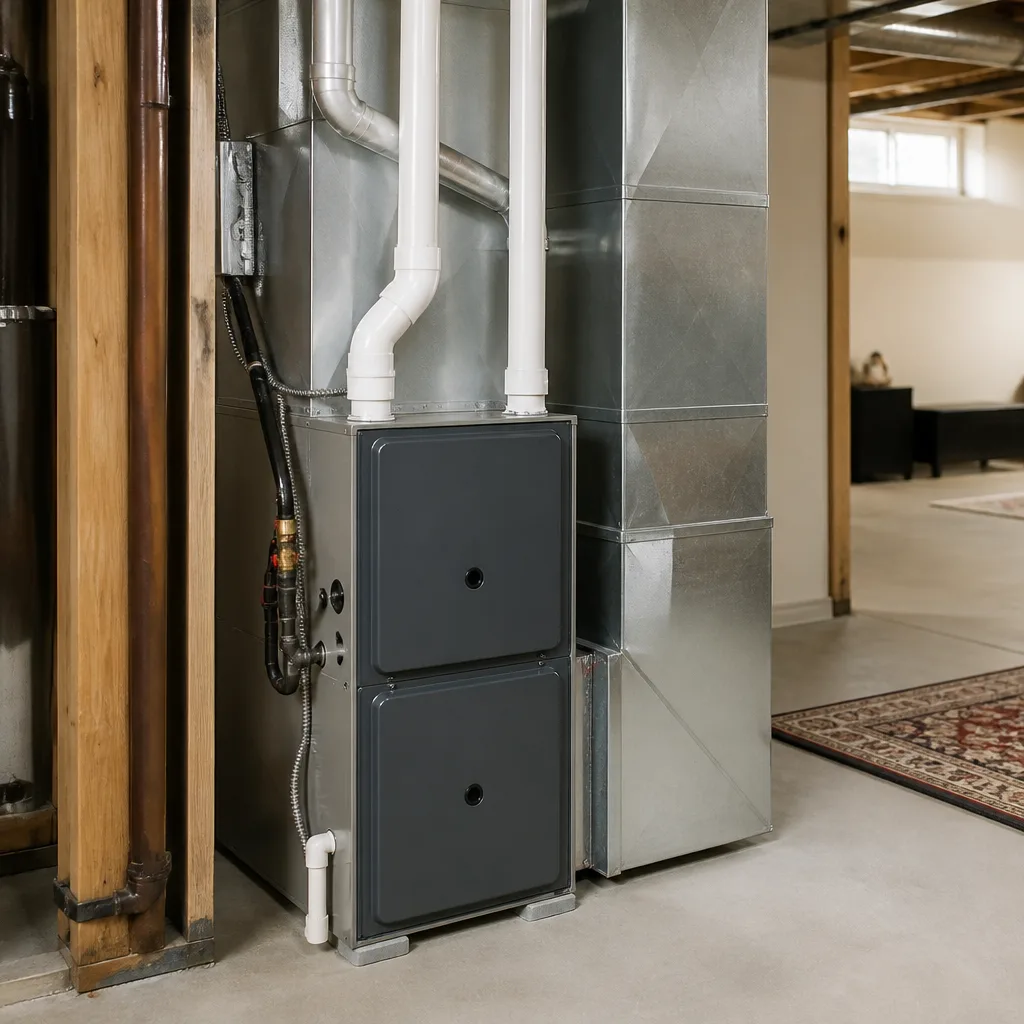 Furnace & heating
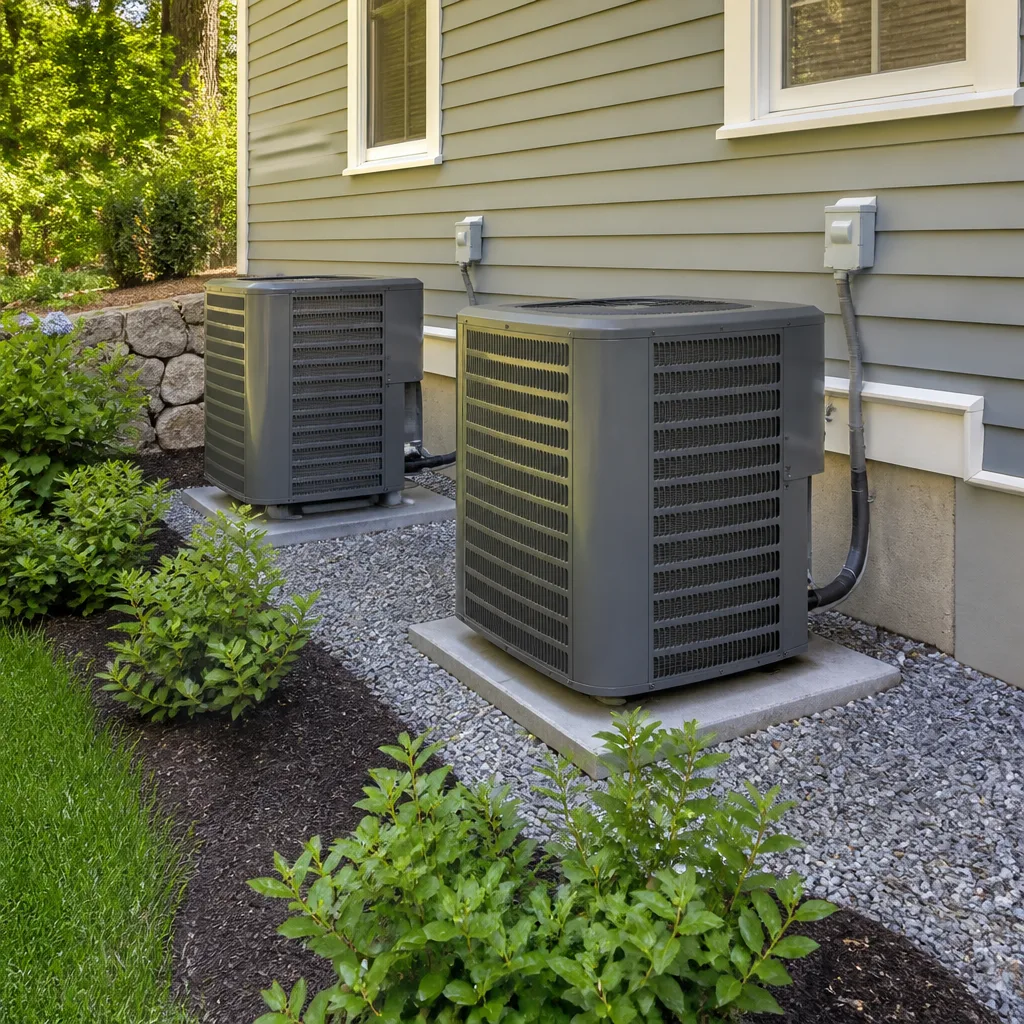 Heat pumps
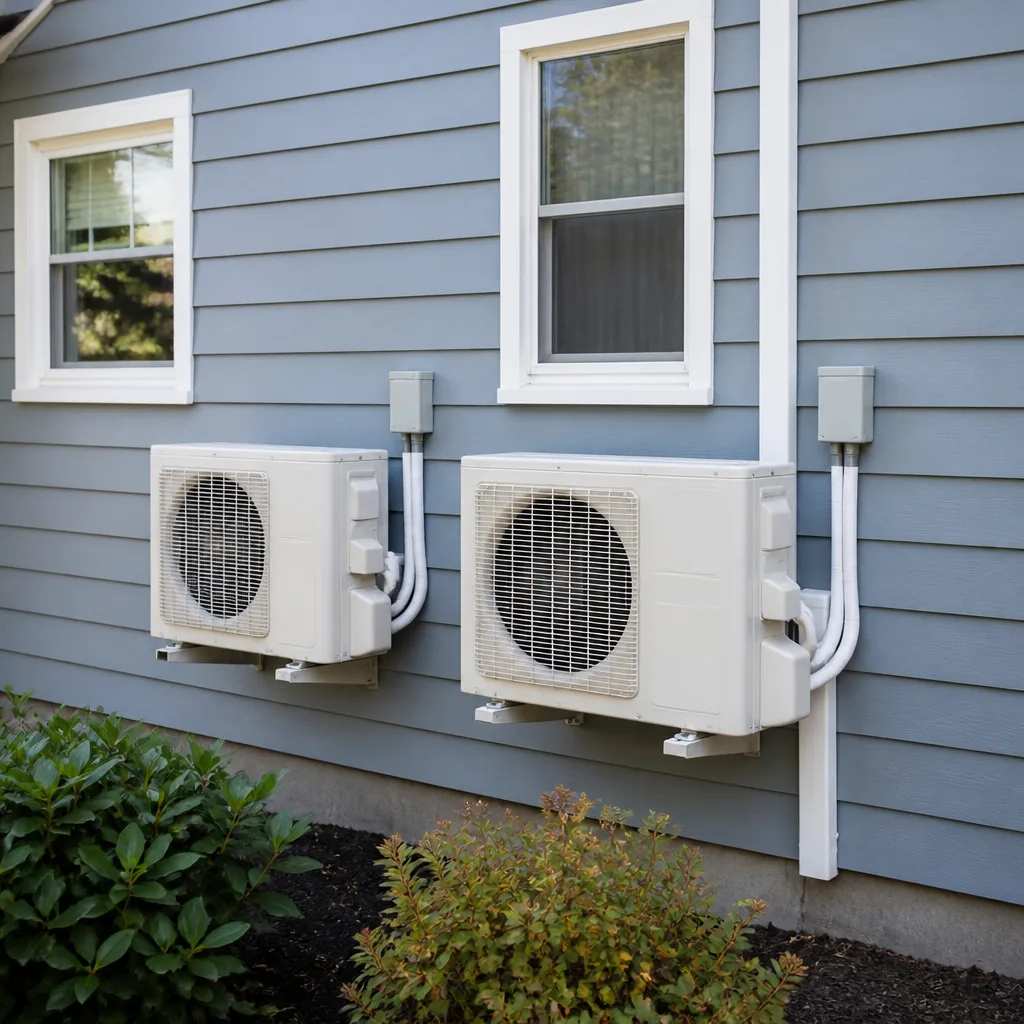 Ductless mini splits
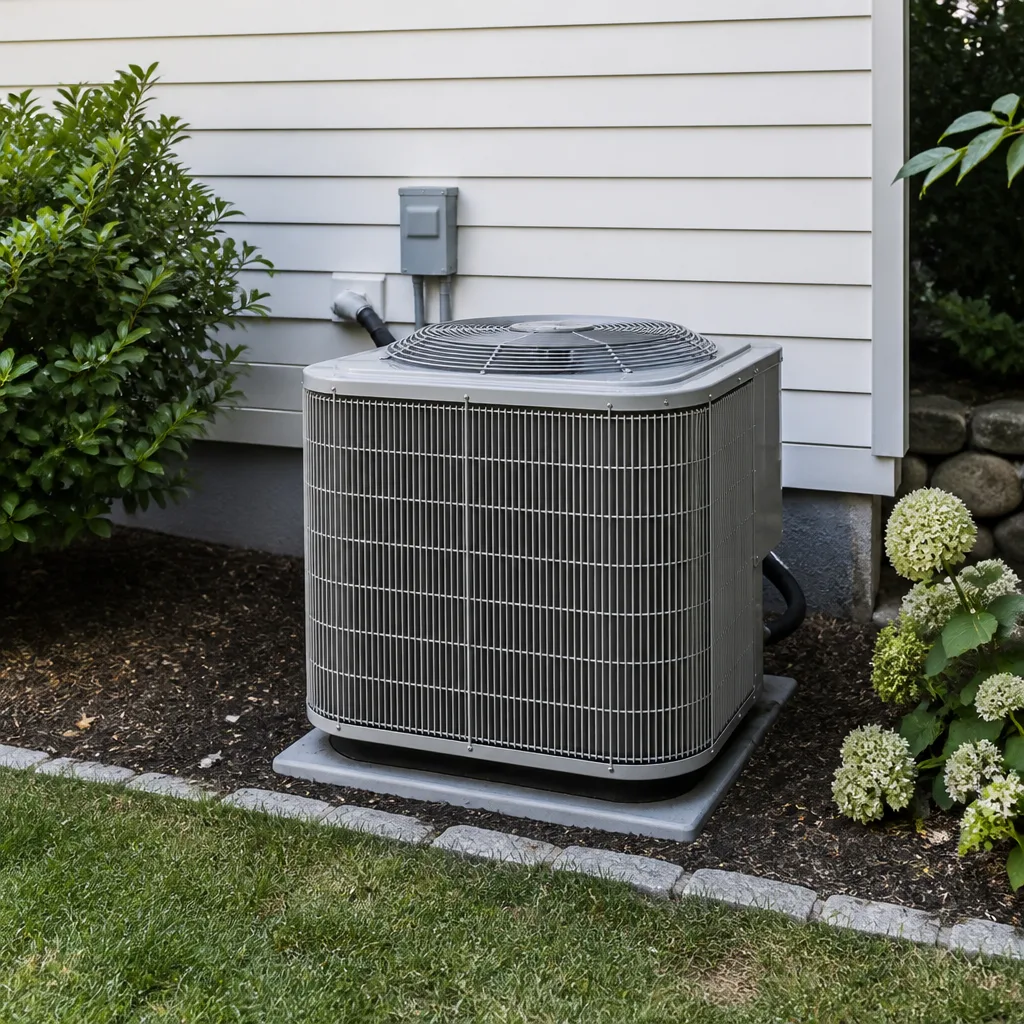 Carrier
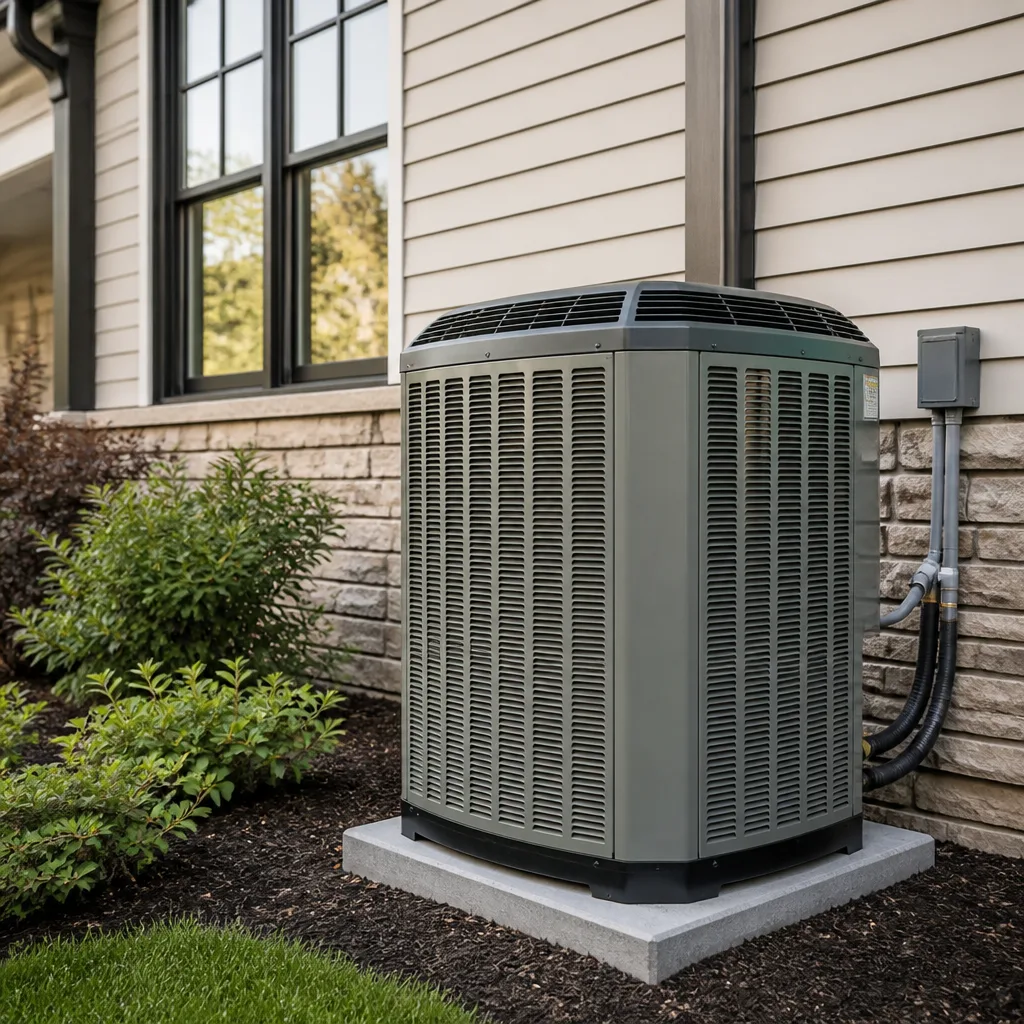 Trane
Trane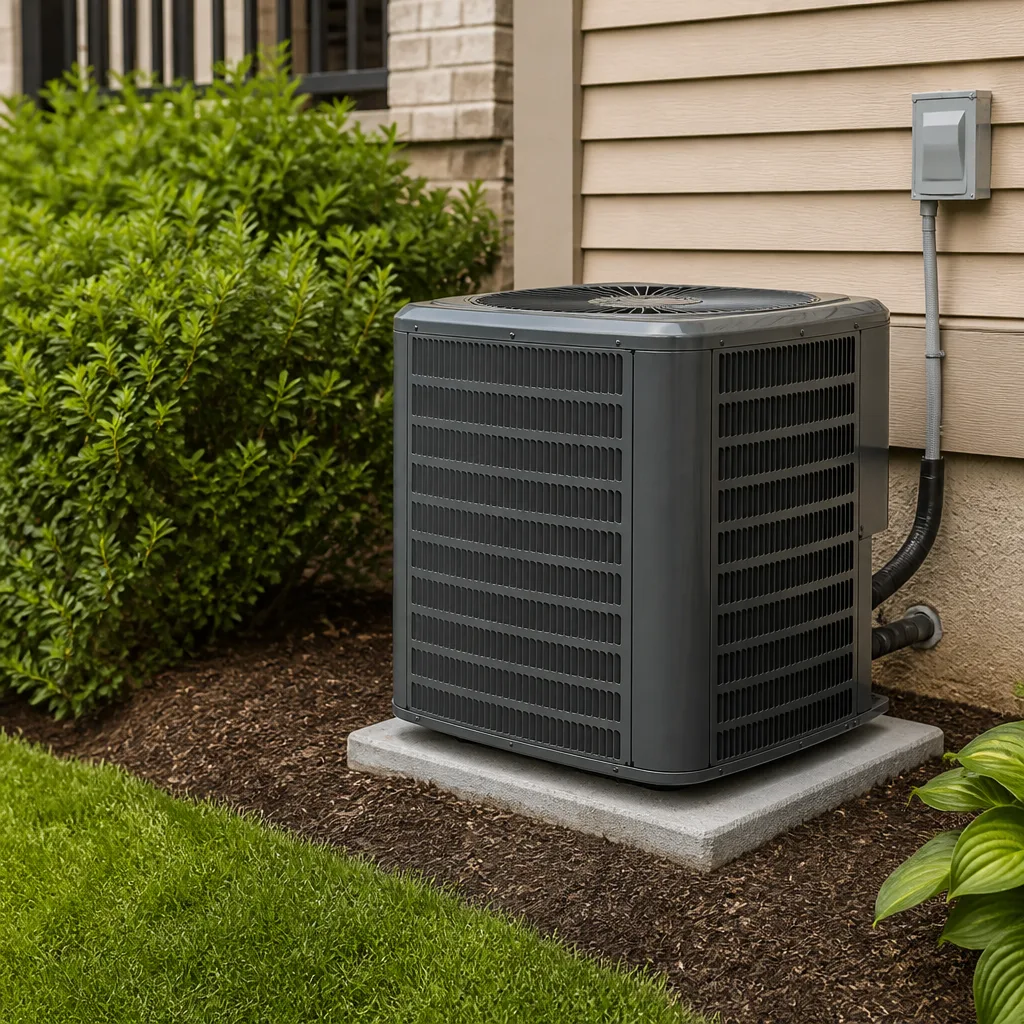 Goodman
Seasonal tune-up and full diagnostic on your Carrier, Trane, or Goodman system - readings shown to you before any repair is proposed
Diagnosis first, numbers second - you approve the repair price before a single part goes in.
Get your free estimateHVAC Warning Signs: A Tampa Homeowner’s Reference Guide
Here’s something that surprises a lot of Tampa homeowners: a refrigerant leak and a clogged drain line can produce nearly identical symptoms. The AC runs constantly, the house feels sticky, and the air coming from the vents is lukewarm at best. One fix runs around $300. The other can hit $1,500 or more once the leak is located, repaired, and the system is recharged. Most generic warning-sign guides stop at “if your AC isn’t cooling, call someone.” This one goes further. We’ll sort every symptom into three tiers: call today, watch it for a month, or stop worrying entirely. You’ll learn what to check before you pick up the phone, how to document problems so a diagnosis is harder to dispute, and which sounds coming from your unit are actually serious. This guide is written specifically for Tampa’s climate, because a warning sign in Minnesota is a non-event here, and vice versa. For a broader look at keeping your system healthy, see our Complete Guide to HVAC in Tampa.
Styles & brands we work with
Quick Answer
The HVAC warning signs that genuinely demand same-day attention in Tampa are ice on the refrigerant line, a burning smell from the vents, water actively pooling near the air handler, or a grinding noise from the outdoor unit. Symptoms like short cycling, weak airflow, or a house that feels humid despite hitting the thermostat setting usually need service within a week. Anything you can fix with a filter change or a cleared drain line isn’t a warning sign at all. If you’re unsure which tier your symptom falls into, call (850) 608-1463 and describe what you’re seeing. A live person answers, 24/7, and can tell you whether it’s urgent.
Table of Contents
- Tier One: Call Today – Symptoms That Can’t Wait in Tampa
- Tier Two: Schedule Within a Week – Problems That Worsen Slowly
- Tier Three: Monitor and Log – What’s Actually Normal
- The “Feels Humid But Cools Fine” Problem: Tampa’s Most Misdiagnosed Symptom
- Sound-Based Diagnosis: What Your AC Is Trying to Tell You
- How to Document Warning Signs Before the Technician Arrives
- The Short-Cycling Trap: When a Dying Compressor Is Actually a Dirty Filter
- Common Mistakes to Avoid
- When to Call a Professional
- Frequently Asked Questions
- The Bottom Line
Tier One: Call Today – Symptoms That Can’t Wait in Tampa
These are the symptoms where waiting costs you real money or creates a genuine safety issue. In our experience across Tampa, from South Tampa to New Tampa to Westchase, these are the ones we tell homeowners to treat as urgent without exception.
Ice on the Refrigerant Line
If you see frost or solid ice forming on the copper line running from your outdoor condenser to the indoor unit, shut the system off and call same day. Ice on the line means one of two things: a refrigerant leak has dropped the pressure to the point where the coil freezes, or airflow is so restricted that the coil can’t absorb heat. Both conditions get worse the longer the system runs. The ice itself isn’t the problem. What causes it is, and every hour of runtime adds strain on the compressor. In Tampa’s summer, that compressor is already working hard. A frozen coil can thaw, flood the drain pan, and turn a $250 repair into water damage on the ceiling or floor.
Burning or Electrical Smell
A burning smell from your vents is not a “let’s see if it happens again” situation. It usually points to a motor overheating, wiring arcing, or a capacitor failing in a way that’s generating heat. Turn the system off at the thermostat and at the breaker, then call. In older Tampa homes with original wiring, an electrical smell from an AC unit deserves extra caution. If you smell gas specifically, from the outdoor unit or a furnace closet, that’s a different emergency entirely and you should leave the area and call your utility provider immediately. But for standard HVAC burning smells, the fix is often a failed blower motor or a seized condenser fan, both of which are repairable if caught before they damage other components. Every repair we perform comes with a written guarantee. If it fails within the coverage window, we come back at no charge.
Water Actively Dripping Into Living Space
Water pooling around the indoor air handler, dripping from a ceiling vent, or running down a wall near the unit is a call-today symptom in Tampa. Our climate pushes AC systems hard for months at a stretch, and drain lines clog with algae and debris faster here than in drier climates. In neighborhoods like Seminole Heights and Carrollwood where many homes have the air handler in an attic or closet, a failed drain pan or clogged line can put water directly onto drywall or flooring within hours. The fix is often simple: a drain line clearing, a new float switch, or a pan replacement. None of those are expensive. The expensive version is waiting until the drywall is wet and the mitigation bill lands on top of the HVAC repair.
Tier Two: Schedule Within a Week – Problems That Worsen Slowly
These symptoms don’t require a 3 a.m. call, but they won’t fix themselves either. Put them on the calendar within seven days and you’ll usually avoid a Tier One emergency later. Our AC Repair Maintenance Checklist for Tampa Homeowners can help you stay ahead of these issues.
Short Cycling That’s Getting More Frequent
An AC that turns on and off every five to ten minutes is short cycling. It wastes energy, leaves humidity in the air, and adds wear to the compressor every cycle. Most short cycling in Tampa homes traces back to an oversized system, a dirty filter, a thermostat issue, or a low refrigerant charge. None of those are urgent on day one, but every week of short cycling brings the compressor closer to a premature death. The detailed breakdown is in the short-cycling section below.
Weak Airflow From Every Vent
If the air coming from your vents feels like a whisper instead of a steady stream, and you’ve already checked the filter, the next likely culprits are a blower motor losing strength, ductwork with a major leak, or a coil that’s starting to freeze. In Tampa homes with ductwork in the attic, a disconnected duct can dump conditioned air into a 140-degree attic instead of your living room. That’s money literally blowing away. Most of these issues are diagnosed in a single visit and priced upfront. You should know the written price before any work starts, which is exactly how we operate at Halden Heating and Air Tampa.
A Musty Smell That Doesn’t Go Away
Tampa’s humidity means microbial growth inside a drain pan or on a coil is a year-round possibility. If you get a musty smell when the system first kicks on, and it fades after a few minutes, you likely have growth on the evaporator coil or standing water in the pan that isn’t draining properly. This is a within-a-week item. The fix is usually a thorough coil cleaning, a drain line flush, and sometimes a UV light recommendation. Ignoring it doesn’t just smell bad. That same growth is being pushed through your ductwork into the air you breathe, and for anyone in the house with allergies or asthma, it’s a real quality-of-life issue. For year-round prevention tips, read our Seasonal HVAC Care for Tampa: Year-Round Homeowner’s Guide.
Tier Three: Monitor and Log – What’s Actually Normal
Some things homeowners panic about are genuinely fine. This section is the “stop Googling at 2 a.m.” portion of the guide. For more guides & resources like this one, visit our blog.
A Clicking Sound When the System Starts
A single click at startup is the contactor engaging. That’s a relay switch doing its job. A few seconds later, the fan spins up and cool air follows. This is normal operation on virtually every residential AC system, including Carrier, Trane, and Lennox units. If the click becomes a rapid chattering sound, or you hear the click but the fan never starts, that’s when it moves into Tier Two territory.
Water Dripping Outside Near the Condenser
On a hot Tampa day, condensation forms on the refrigerant line and drips near the outdoor unit. If you see a small puddle under the condenser while it’s running, that’s condensation, not a leak. A refrigerant leak wouldn’t leave water. The test is simple: if the puddle only appears when the AC runs and the water is clear, it’s normal. If water appears inside the house, that’s the Tier One call-today situation described above.
A Slight Temperature Difference Between Rooms
Every home has imperfect airflow. A two or three degree difference between a west-facing upstairs bedroom and a shaded downstairs living room in August is expected, especially in older Tampa homes with single-pane windows and original insulation. If the difference is five degrees or more, or if one room never gets comfortable no matter how long the system runs, that’s worth scheduling a ductwork and airflow evaluation. Otherwise, adjust a damper or close a door and move on.
An Outdoor Unit That Sounds Like a Fan Running
A steady fan noise from your condenser is the fan doing exactly what it’s designed to do. Tampa heat means that fan runs frequently. If the sound is steady, consistent, and not accompanied by grinding, banging, or squealing, you’re fine. Write down what “normal” sounds like so you have a baseline. That baseline is what makes the next section useful.
The “Feels Humid But Cools Fine” Problem: Tampa’s Most Misdiagnosed Symptom
Here’s a scenario we hear constantly from homeowners in Hyde Park, Brandon, and Riverview: the thermostat reads 74 degrees, the air coming from the vents feels cool, but the house feels sticky. It’s the number one misdiagnosed HVAC complaint in Tampa, and it usually has nothing to do with low refrigerant, despite what a rushed diagnosis might suggest.
Modern AC systems cool and dehumidify at the same time. As warm air passes over the cold evaporator coil, moisture condenses out of the air and drains away. That’s how humidity is removed. But dehumidification only happens while the system is running. If your AC is oversized for the home, it cools the air so quickly that it satisfies the thermostat in eight to ten minutes, then shuts off. That’s not enough runtime to pull meaningful moisture out of the air. The result: a house that hits the temperature setting but still feels like a Florida July afternoon.
In Tampa, this shows up most often in homes with newer AC installations where the contractor sized the system based on square footage alone, without accounting for our humidity. A 3-ton unit in a home that only needs 2.5 tons will cool fast and dehumidify poorly. The symptom looks like a refrigerant problem because “not comfortable” gets translated as “not cooling enough.” But adding refrigerant doesn’t fix an oversized system. In fact, it makes the problem worse.
Other causes of the humid-but-cool feeling include a blower speed set too high, which moves air across the coil too quickly for proper moisture removal. Or a system that’s short cycling due to a thermostat placed in a cold spot. In some homes, a dedicated whole-home dehumidifier is the answer. In others, the fix is a simple blower speed adjustment. Before you accept a refrigerant recharge for a humidity complaint, ask the technician to check runtime, airflow, and sizing. A written price and a clear explanation of what’s wrong should be standard. At Halden Heating and Air Tampa, you get both before any tool comes out.
Sound-Based Diagnosis: What Your AC Is Trying to Tell You
Sound is the earliest warning system your HVAC gives you. Tampa homeowners hear their outdoor condensers run more often than almost anyone else in the country, which means you have more chances to notice when something changes. Here’s how to translate what you hear.
The Single Click at Startup: Normal
Covered above, but worth repeating. One click, fan starts, cool air follows. That’s the contactor closing the electrical circuit. No action needed.
A Grinding Sound From the Outdoor Unit: Serious
Grinding means a compressor or fan motor bearing is failing. This is a call-today sound. The longer it runs, the more metal wears away, and the repair bill climbs from a bearing replacement to a full compressor or motor replacement. In our experience with York, Daikin, and Bryant units in Tampa, a compressor grinding noise that gets addressed the day it’s noticed is often repairable. The same sound ignored for two weeks turns into a replacement quote.
A High-Pitched Squeal: Bearings or Belt
A squeal or screech typically comes from a blower motor bearing in the air handler or a failing fan motor in the condenser. Older Tampa homes with belt-driven blowers can also develop a worn belt squeal. The fix is usually straightforward: a new bearing assembly, a new belt, or a motor replacement. Within-a-week attention is fine, but don’t push it past that.
A Banging or Thumping Blower: Something Loose
A banging noise when the system runs, especially if it’s rhythmic, usually means something is loose. A blower wheel that’s come off balance, a loose panel vibrating against the frame, or debris caught in the fan blades. Turn the system off and schedule service. It’s rarely an emergency, but it’s not going to resolve itself. In Tampa homes with a lot of oak trees dropping debris, the outdoor unit is a natural collection point for twigs and leaves that find their way into the fan housing.
How to Document Warning Signs Before the Technician Arrives
Documentation changes everything about a repair visit. It gives you a baseline to compare against, a record if a repair is disputed, and a way to show the technician exactly what you experienced, even if the symptom is intermittent. Here’s the process, step by step.
- Photo first, always. Ice on the line, water pooling, a specific vent with no airflow. Take a photo before you touch anything. The photo has a timestamp embedded, and that timestamp is evidence of when the problem existed.
- Video the sound. If your unit is making a noise, record it. Hold the phone near the sound source for 20 to 30 seconds. Even if the sound stops before the technician arrives, the video lets them hear exactly what you heard. Describe it in plain words in the video: “This is the grinding noise from the outdoor unit, recorded Tuesday at 7 p.m.”
- Log runtime. For short cycling or cooling complaints, write down the time the system turns on and the time it shuts off. Do this for an hour or two. A pattern of eight-minute runtimes tells a technician more than “it turns on and off a lot.”
- Note the thermostat setting and the actual room temperature. Use a basic digital thermometer. If your thermostat says 72 but the room measures 76, that’s a calibration or sensor issue, not a cooling problem. This is a common find in Tampa homes where the thermostat sits in a hallway with poor airflow.
- Check the filter and document it. A photo of a clogged filter next to a fresh one tells the story instantly. If the filter is fine, that eliminates the easiest fix and moves the diagnosis forward.
- Save the notes and share them. You don’t need a spreadsheet. A note on your phone with dates, temperatures, and sounds is enough. When the technician arrives, walk them through it. The before-and-after documentation also protects you: when a repair is covered by a written guarantee, having a record of what the system looked like before the repair makes the after-photo meaningful.
This process is part of what we’re built around. Live arrival times, before-and-after photos, and written pricing mean you’re never guessing about what happened before the technician got there or what they did while they were there. The Relay Visibility Guarantee is exactly that: the entire job is documented, from the diagnosis to the repair to the after-photo. You see what we see.
The Short-Cycling Trap: When a Dying Compressor Is Actually a Dirty Filter
Here’s the trap. Your AC turns on. Five minutes later it shuts off. Five minutes after that, it’s on again. A technician who wants an easy commission might tell you the compressor is on its way out and a replacement is “the honest recommendation.” Meanwhile, a $0 filter change fixes the problem in under a minute. It happens more than most Tampa homeowners would believe, especially during peak season when demand is high and diagnosis happens fast.
Short cycling means the system is reaching the set temperature too quickly or the safety controls are cutting it off. Start with these checks, in order, before you spend money.
- Look at the air filter. A filter so clogged it restricts airflow will cause the evaporator coil to freeze. The system senses the pressure drop and shuts off. Once it thaws, it tries again. This costs nothing to fix, just a new filter. Most Tampa homes should change filters every one to three months depending on pets, dust, and how much the system runs.
- Check the thermostat. If your thermostat is in direct sunlight or near a heat source like a lamp or a TV, it might be reading the room as warmer than it actually is, causing the system to cycle off prematurely. Move the thermostat or adjust its calibration. In many Tampa homes, the thermostat sits on a wall that gets afternoon sun, which is the worst possible spot.
- Look for a frozen coil. If the coil is iced over, the system will short cycle. Shut it off for a few hours and let it thaw. But remember: a frozen coil is often caused by a refrigerant leak or serious airflow restriction, so if it recurs, it’s not a DIY project anymore.
- Ask about the run time. A properly sized system in Tampa should run for 15 to 20 minutes on a hot afternoon. If yours runs for less than ten minutes, the system may be oversized. This is a sizing problem, not a failure, and it’s fixed by adjusting blower speed, adding a dehumidifier, or in some cases, replacing the system with one that’s actually matched to your home’s load calculation.
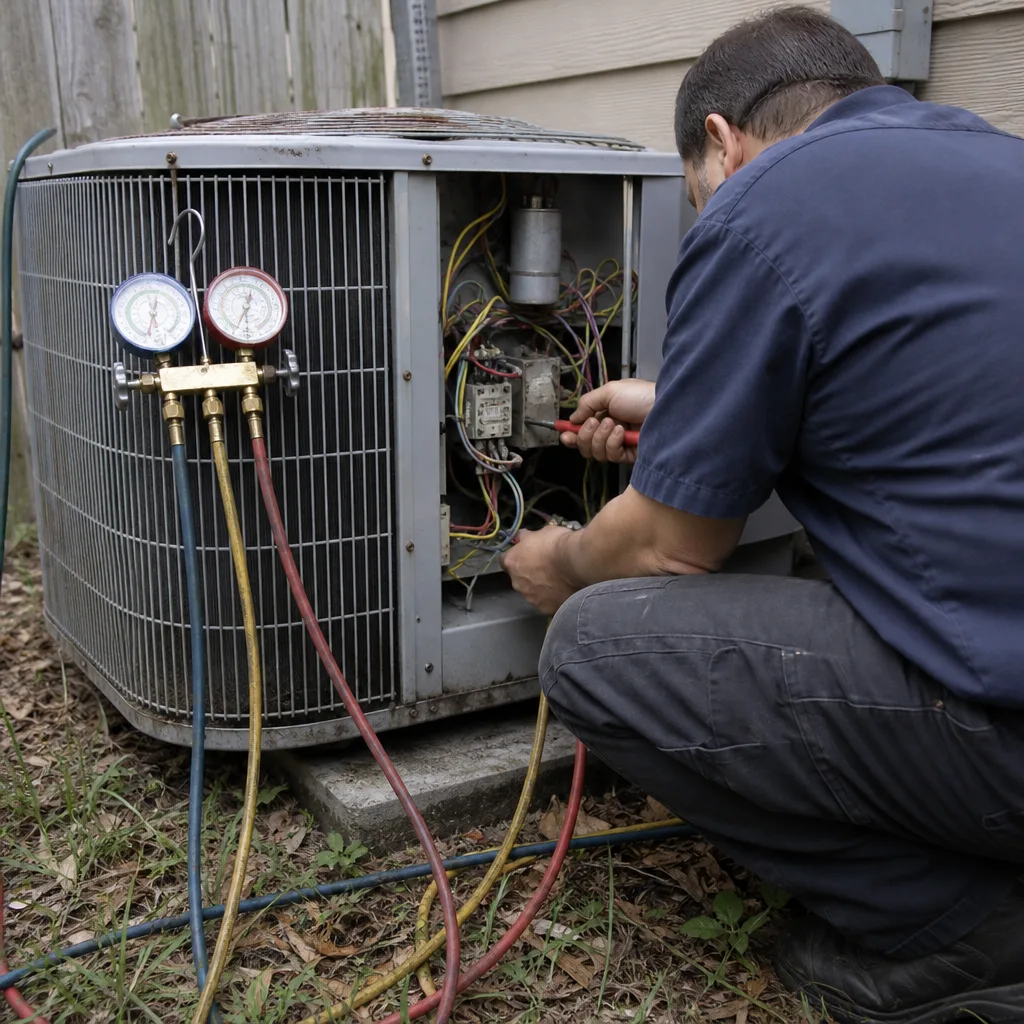
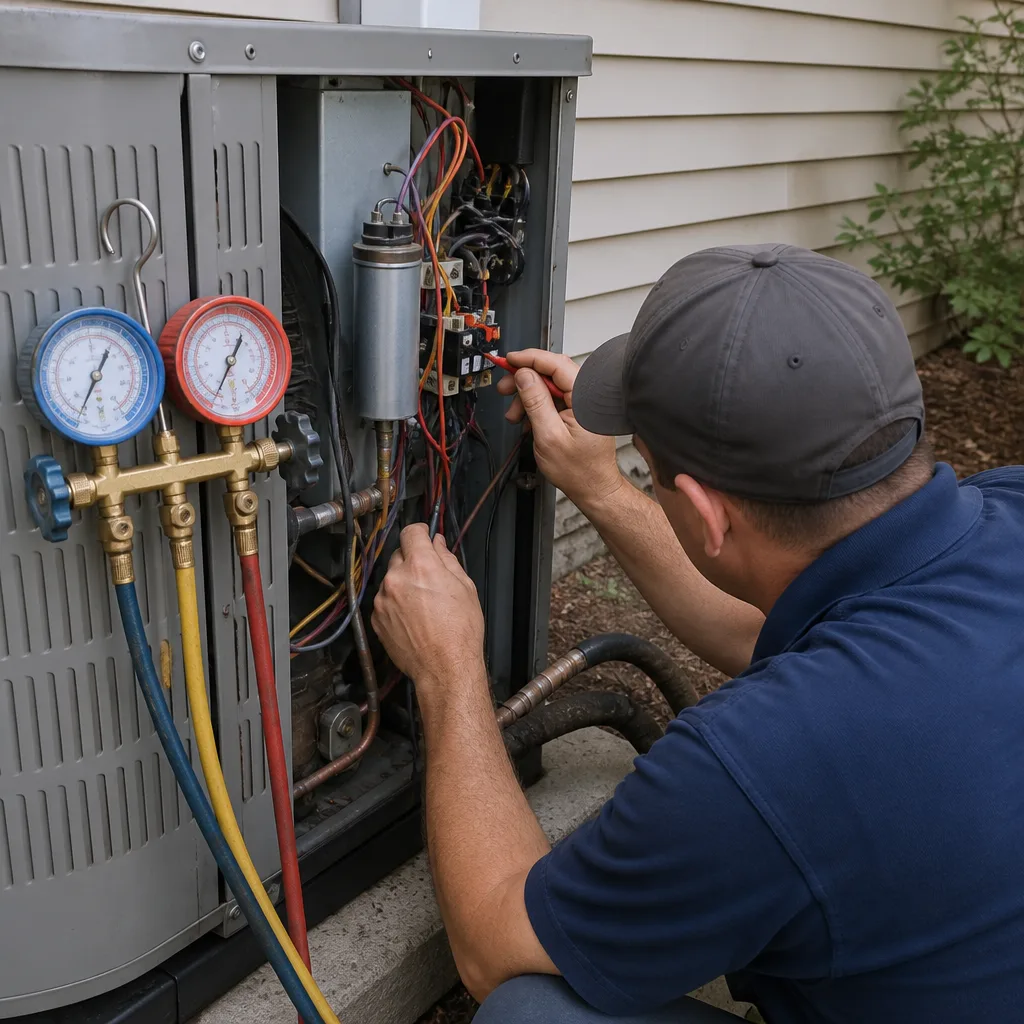
Short cycling that persists after a filter change and thermostat adjustment is worth a professional diagnosis. But the diagnosis should be backed by measurements: superheat, subcooling, static pressure, and compressor amp draw. A reputable HVAC company will show you those numbers. If a visiting technician won’t share them, get a second opinion. We put the written price and the diagnosis in front of you before any work is approved, on every call. That’s not a special request. That’s how AC repair in Tampa should work.
Common Mistakes to Avoid
- Ignoring a frozen coil and just letting it thaw. The ice will melt, the system will run again, and the underlying cause (a leak, a clog, a restriction) will still be there. Every freeze-thaw cycle adds more wear.
- Adding refrigerant without finding the leak. Refrigerant doesn’t get used up. If it’s low, it leaked. Adding more without locating and repairing the leak is like putting air in a tire with a nail in it. Any company that offers a “recharge” without a leak search is selling a temporary fix.
- Replacing the thermostat before checking the filter. A thermostat is the easiest thing to blame for short cycling, and it’s sometimes the least likely culprit. Save the $150 and check the filter first.
- Closing too many vents in unused rooms. Tampa homeowners with spare bedrooms often close the vents to save energy. This increases static pressure and can cause the evaporator coil to freeze or the blower to strain. Keep vents at least partially open.
- Waiting until a sound “gets worse enough” to call. Grinding and banging get more expensive every day they’re ignored. A bearing replacement is $200 to $400. A compressor replacement is $1,500 to $3,000. The math is simple.
- Ignoring humidity complaints as “it’s just Florida.” Florida is humid, yes. But a properly functioning, properly sized AC system should keep indoor humidity between 45 and 55 percent. If you’re constantly sticky inside, the system has a problem. You don’t have to live with it.
When to Call a Professional
If you’ve worked through the free checks in this guide and the symptom persists, or if you’re looking at a Tier One issue like ice on the line, a burning smell, or active water intrusion, it’s time to make the call. Halden Heating and Air Tampa offers free estimates in Tampa, and every call gets answered by a live person, day or night, at (850) 608-1463. We’ll schedule a visit, give you a live arrival time, and send a background-checked technician in uniform. You’ll see the written price before any work starts, and every repair carries a written guarantee. If the fix doesn’t hold, the free return visit is automatic. No arguing, no phone tag, no four-hour windows. That’s the standard every Halden Heating and Air Tampa home service call is held to.
Frequently Asked Questions
The most common HVAC problem in Tampa is a clogged condensate drain line, which causes water backup into the drain pan and, in severe cases, flooding into the home. Tampa’s year-round humidity and warm temperatures create ideal conditions for algae and sludge growth inside the drain line, and most homes should have the line cleared at least once a year. A backup can trigger a float switch that shuts the system down completely, so what looks like a compressor failure is often a $100 drain cleaning.
The most reliable signs of a refrigerant leak are ice forming on the copper refrigerant line, the system running constantly without reaching the set temperature, and warm air from the vents. A technician can confirm the leak with a gauge reading and a leak detection test, and the leak should always be located and repaired before the system is recharged. In Tampa, a system that needed refrigerant last summer and needs it again this summer almost certainly has a leak that was never fixed.
Your house feels humid because the AC is cooling the air too quickly without running long enough to remove moisture. This usually points to an oversized system, a blower set to the wrong speed, or a short cycling issue caused by a thermostat or filter problem. In Tampa’s climate, proper dehumidification requires a system that runs for 15 to 20 minutes per cycle, not one that blasts cold air for eight minutes and shuts off.
A dirty air filter can cause short cycling, frozen coils, reduced airflow, and a burned-out blower motor, because restricted airflow forces the system to work harder and triggers safety shut-offs. In our experience, at least a third of the service calls we run in Tampa involve a filter that was long past due. Changing the filter every one to three months is the cheapest insurance you can buy for your HVAC system.
Most AC repairs in Tampa run between $150 and $500 depending on the part and the complexity of the repair. Capacitors, contactors, and drain line clearings are on the lower end, while blower motors, fan motors, and circuit board replacements land on the higher end. Compressor replacements can exceed $1,500, which is why catching compressor problems early matters. Halden Heating and Air Tampa always provides a written price before any work begins, so you’ll know the exact cost before a tool is picked up.
As a general rule, if your AC is over 12 years old and the repair will cost more than half the price of a new system, replacement is the smarter long-term financial decision in Tampa, where systems age fast due to constant summer use. A $2,000 compressor replacement in a 14-year-old system might buy you two more years, while that same money toward a new system could cut your energy bill by 20 to 30 percent. If you’re weighing the decision, talk through the numbers with a technician who will show you both options without pressure, like our team at Halden Heating and Air for AC installation in Tampa.
The Bottom Line
Tampa’s climate punishes HVAC systems harder than almost anywhere else in the country. Your unit runs more months per year, fights more humidity, and collects more debris than a system in a drier, cooler climate. That means warning signs show up earlier and the margin for ignoring them is smaller. The good news: most failures give you clear signals before they become emergencies. Ice on the line, a grinding sound, water inside, or a burning smell means call today. Short cycles, weak airflow, and musty smells mean schedule within the week. And if you’re changing the filter twice a year and watching for the signs you’ve learned here, you’re already ahead of most homeowners. When something does come up, a call to (850) 608-1463 gets you a live person, a set arrival time, a written price before work starts, and a 365-Day Done Right Promise on the finished job. If your furnace ever gives you similar trouble in the winter, whether it’s a smell, a noise, or a full shutdown, the same standard applies to furnace repair in Tampa from our team.
Written by Andre Fuller, Owner at Halden Heating and Air Tampa, serving Tampa since 2004.
See the difference
 Before
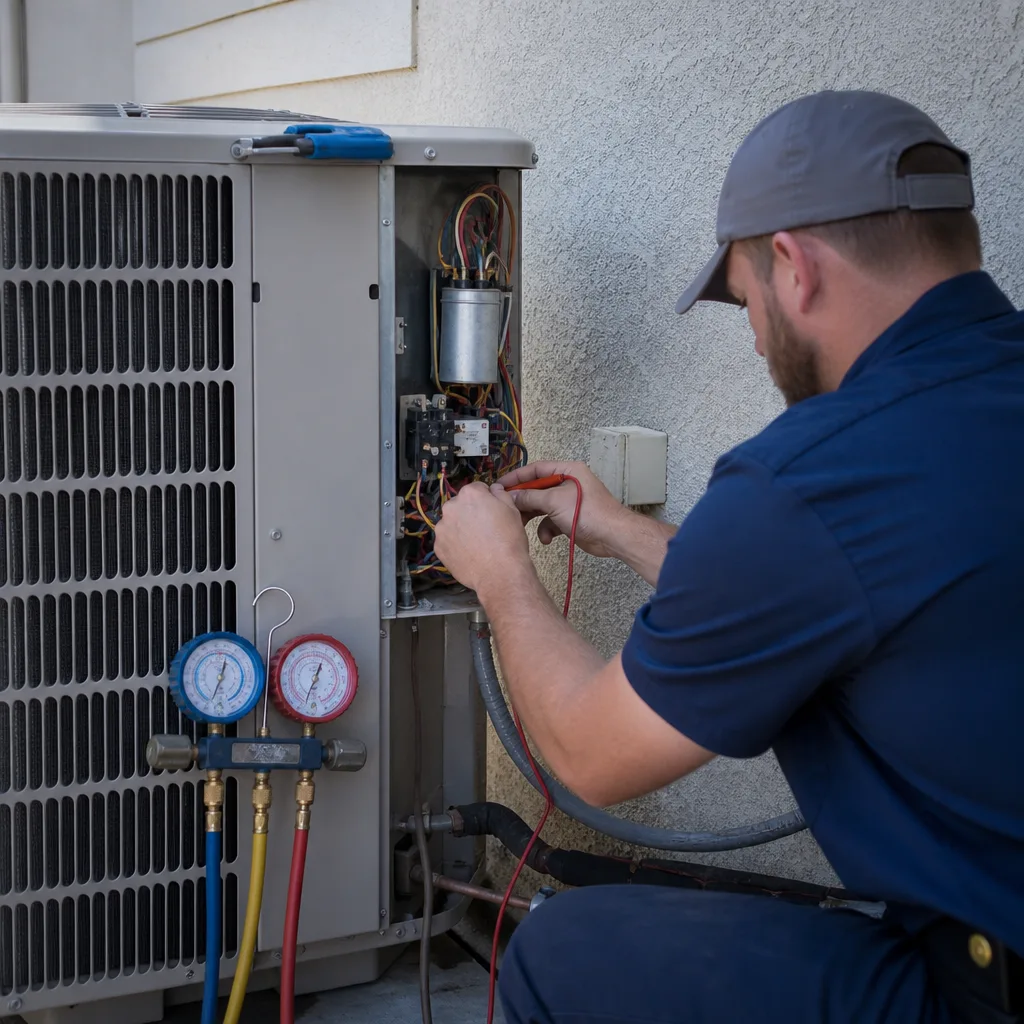 After
After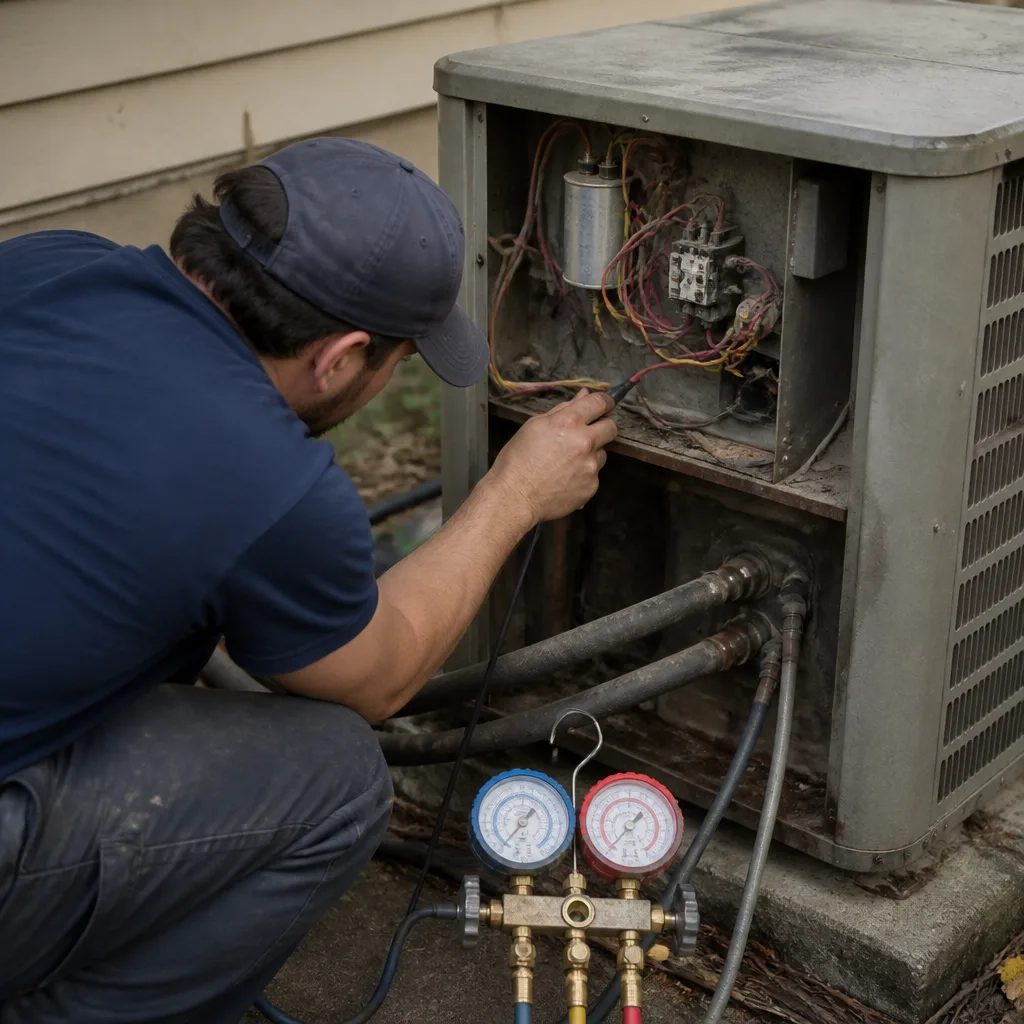 Before
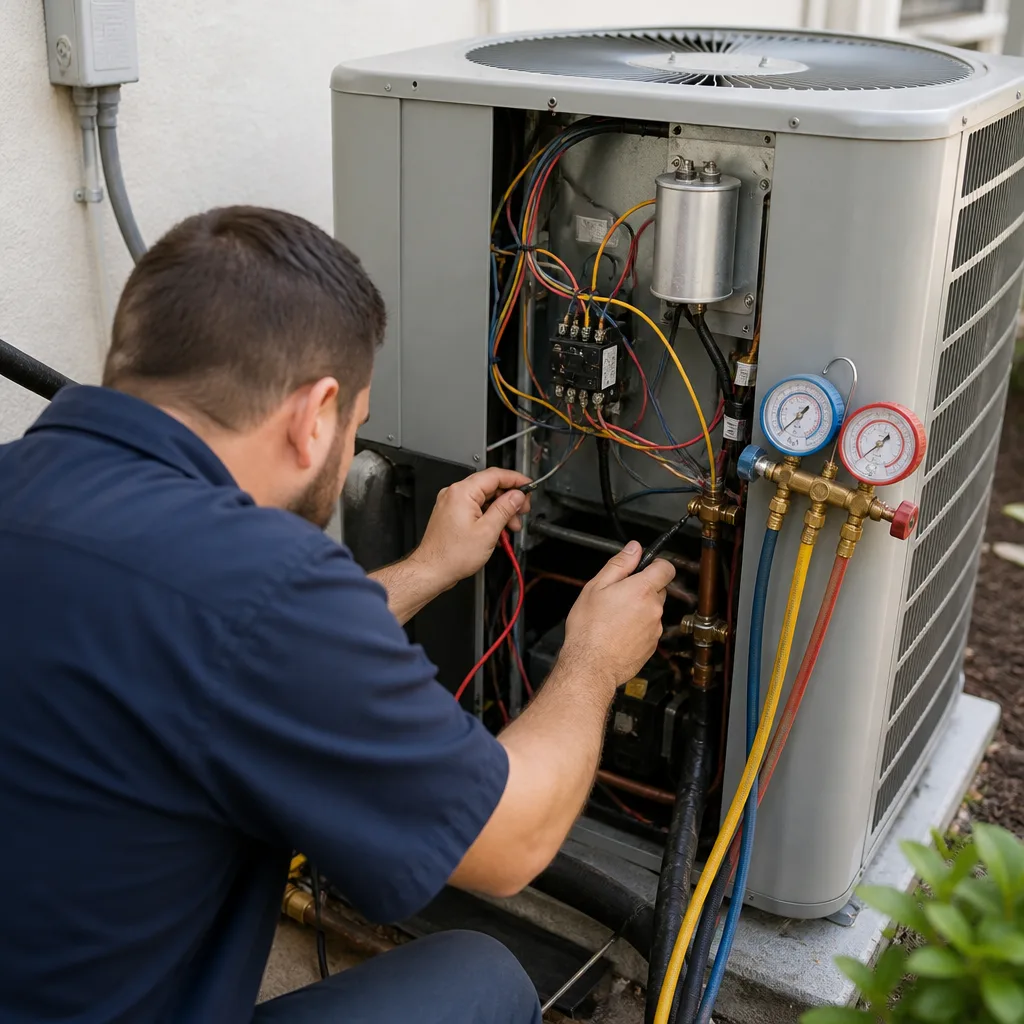 After
After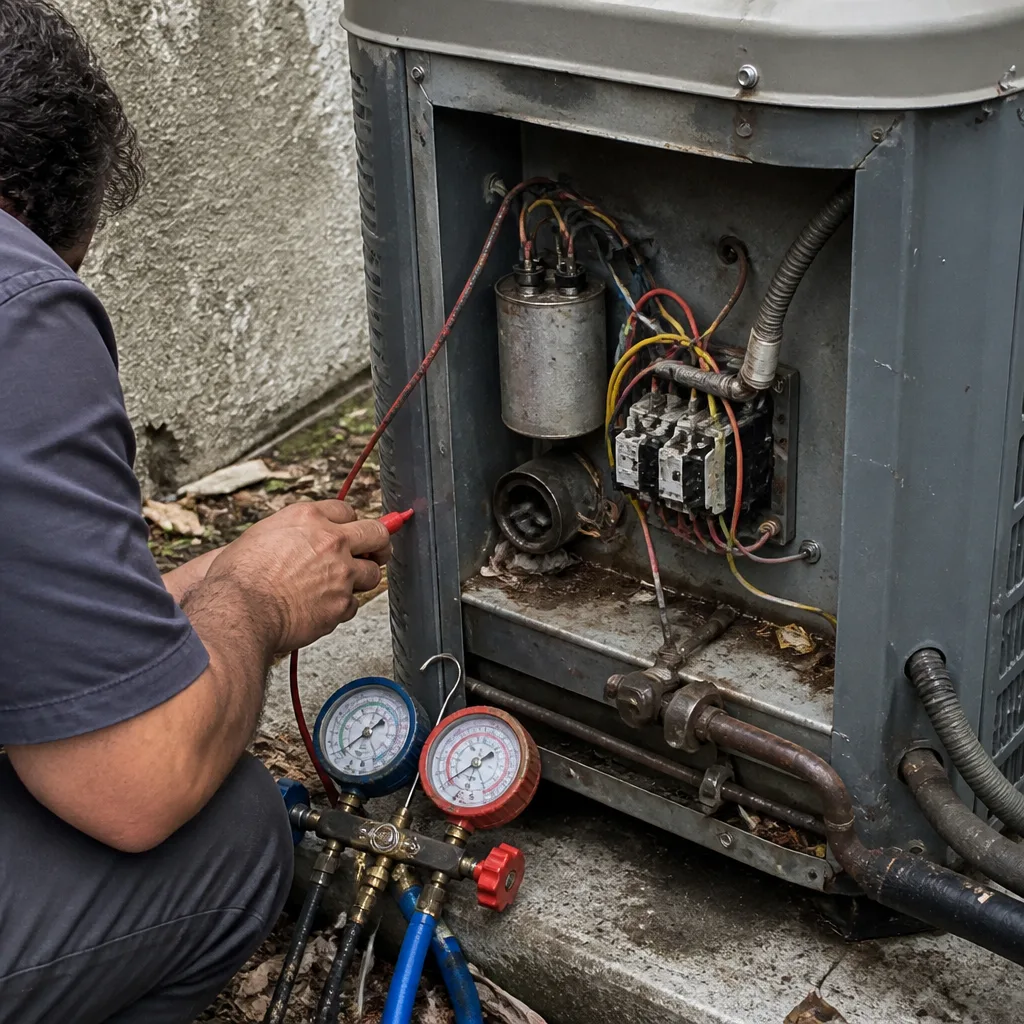 Before
 After
After