
Last updated October 16, 2026
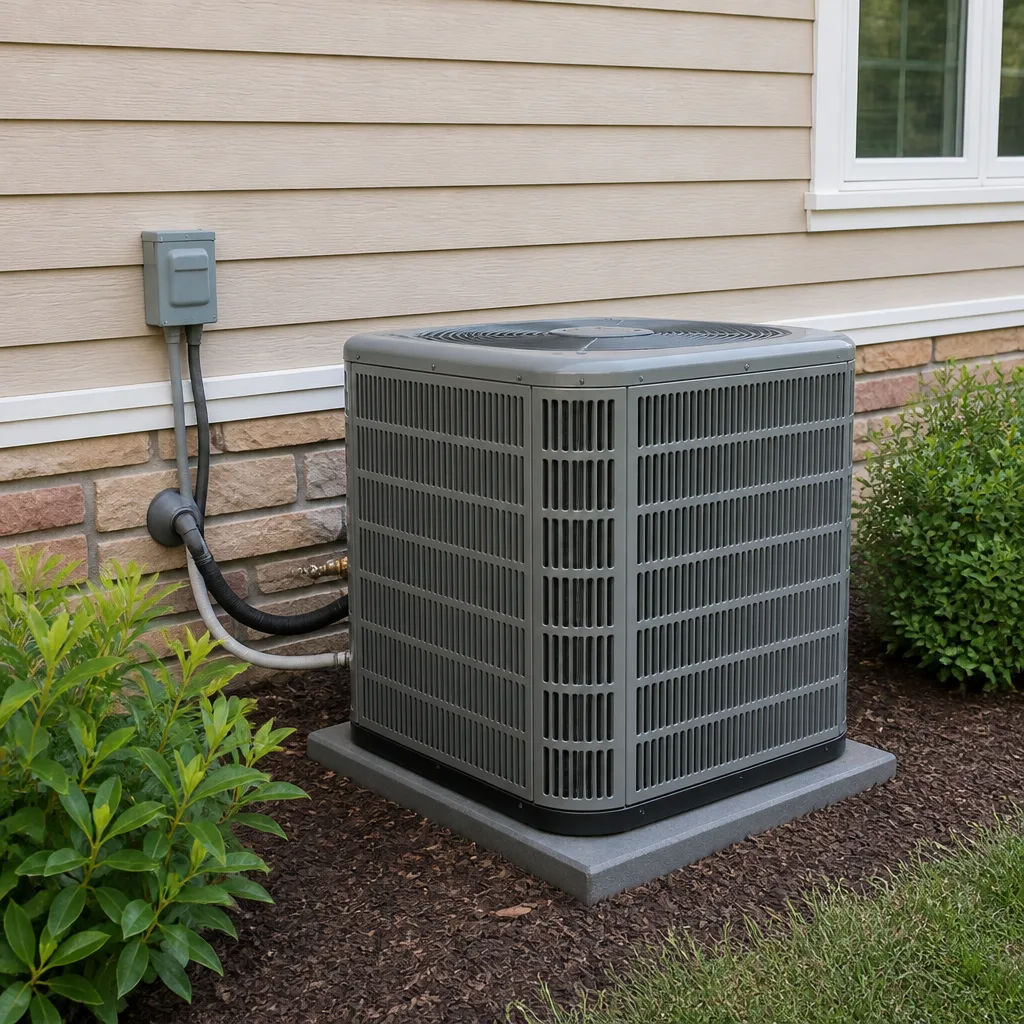 AC repair
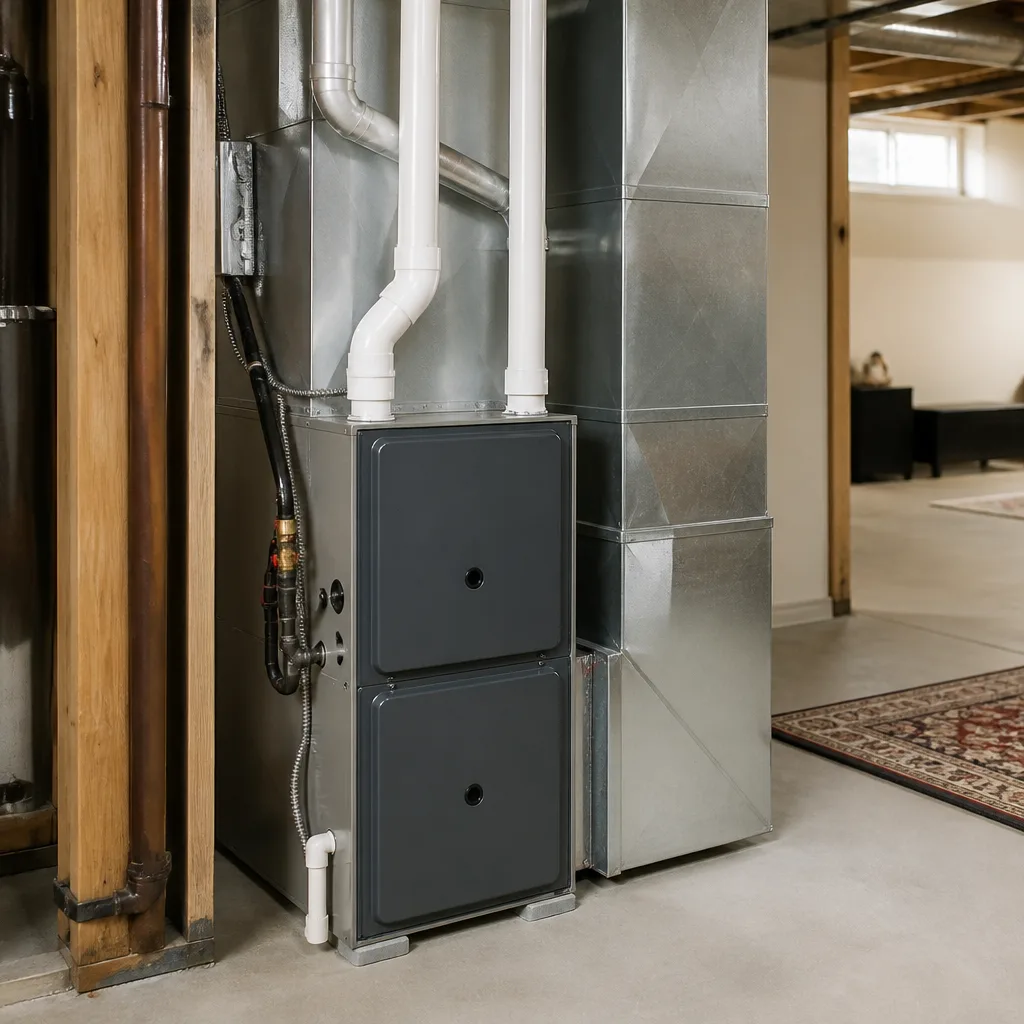 Furnace & heating
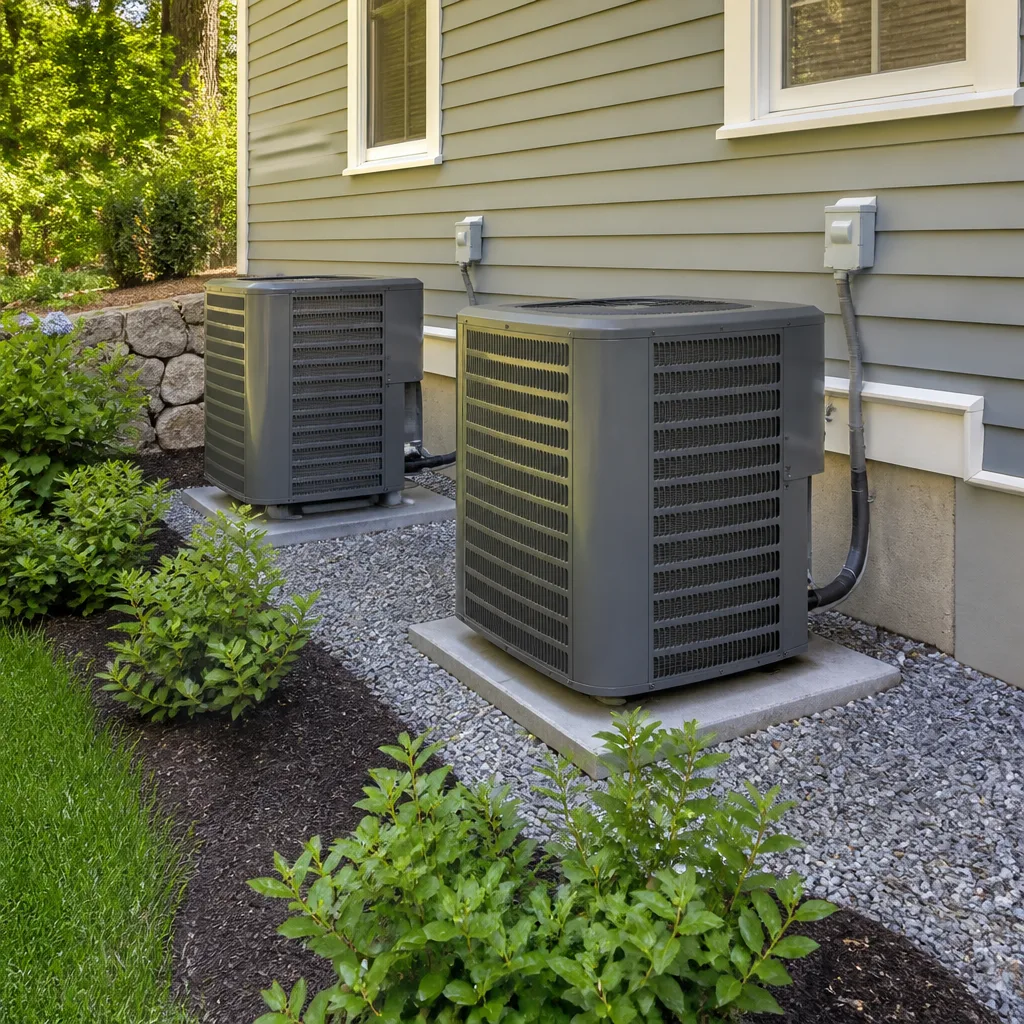 Heat pumps
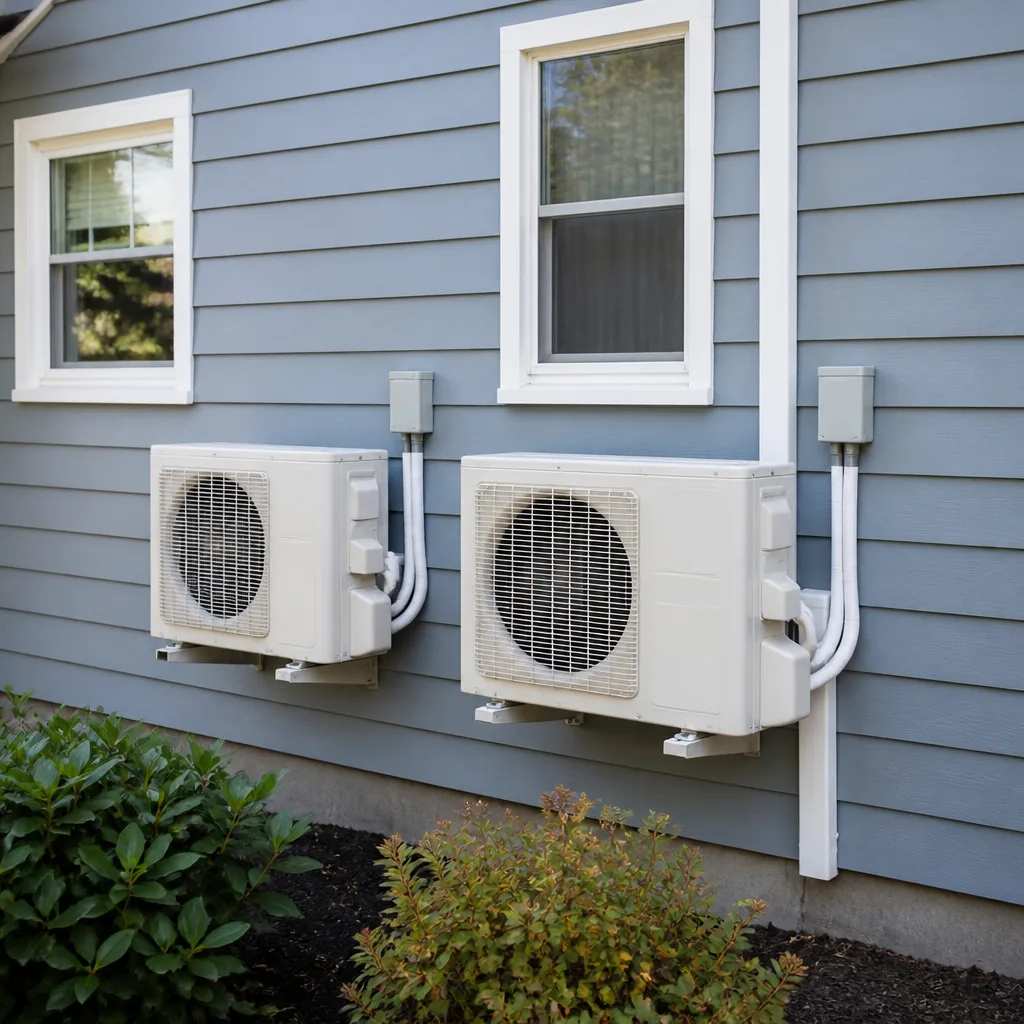 Ductless mini splits
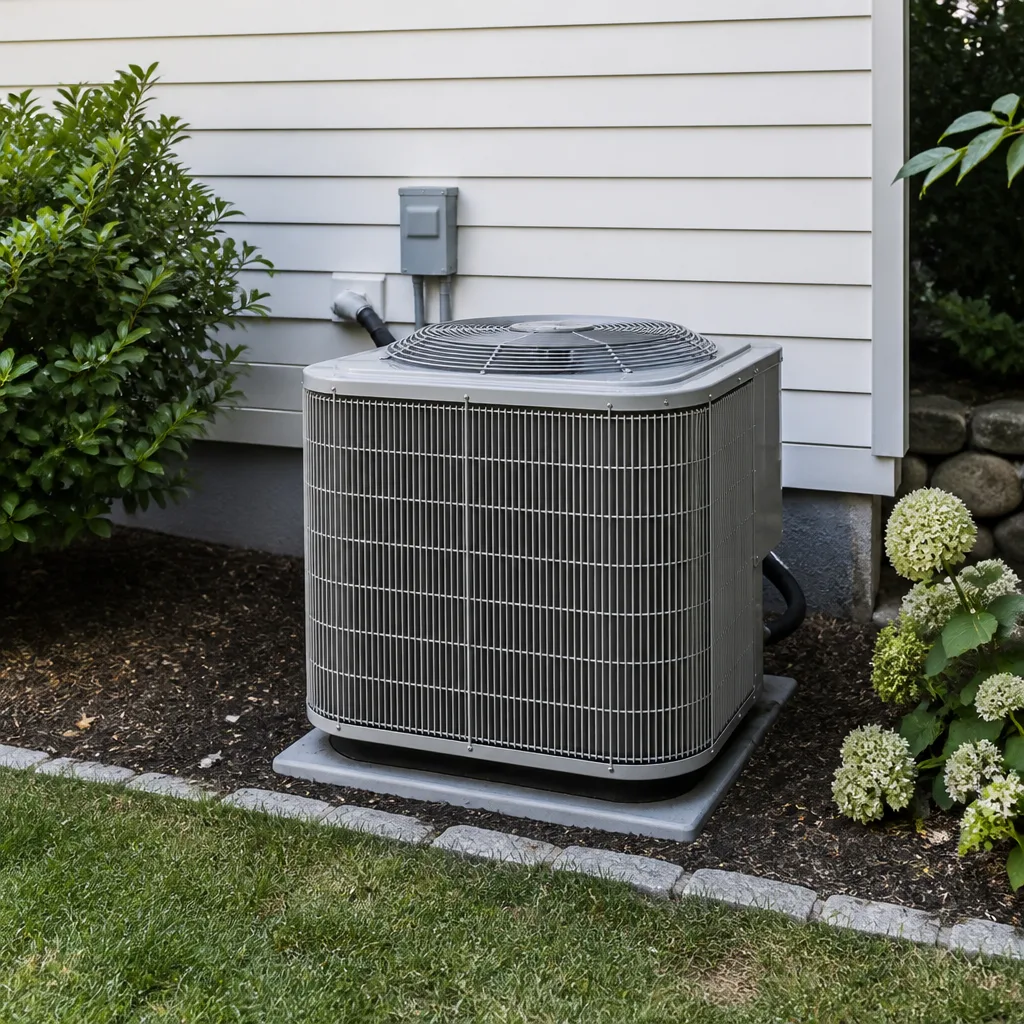 Carrier
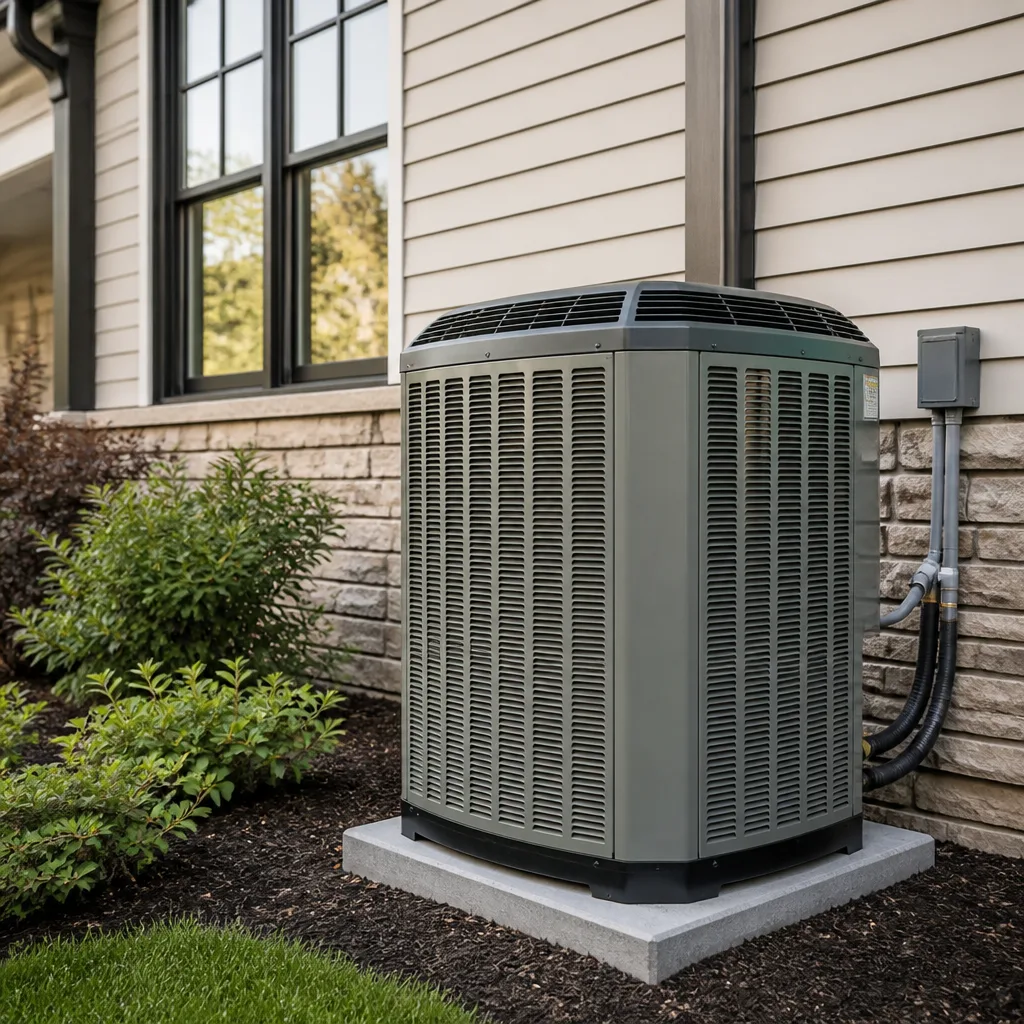 Trane
Trane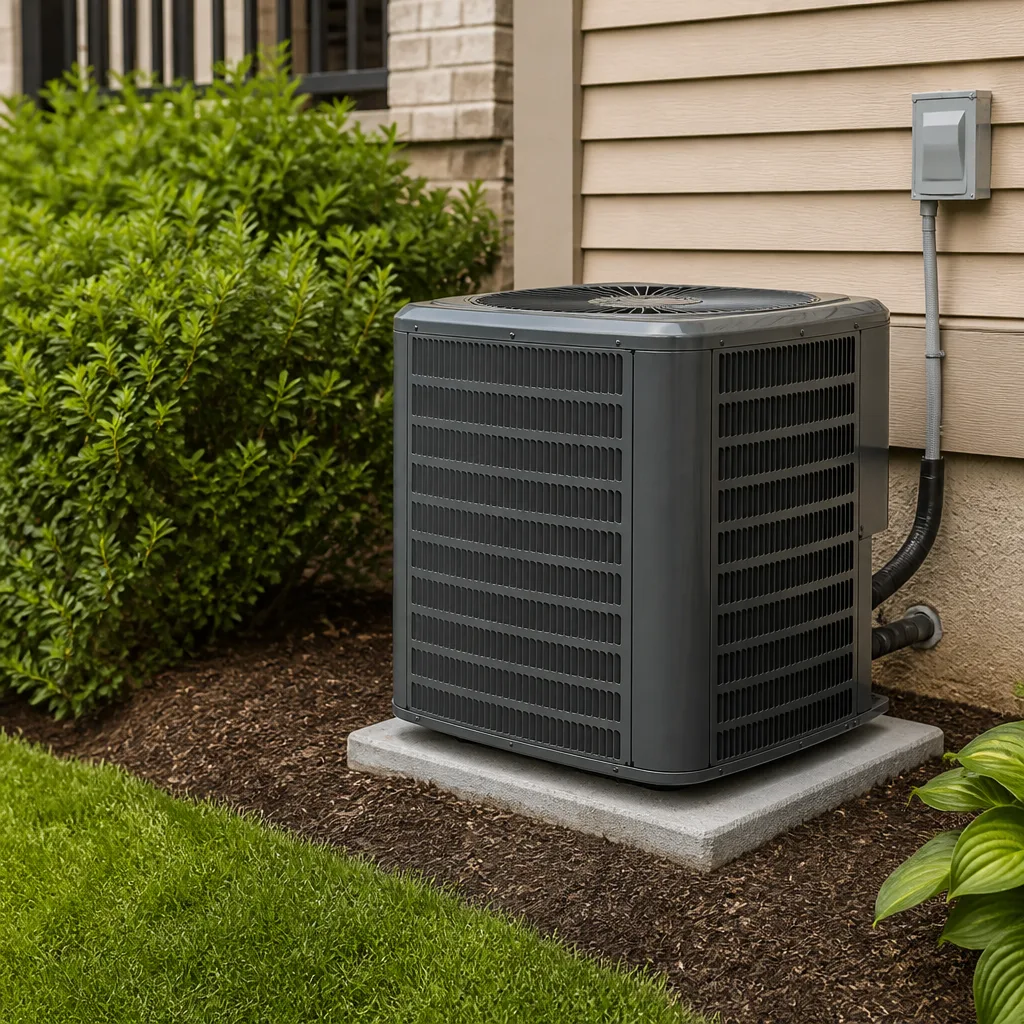 Goodman
Seasonal tune-up and full diagnostic on your Carrier, Trane, or Goodman system - readings shown to you before any repair is proposed
Diagnosis first, numbers second - you approve the repair price before a single part goes in.
Get your free estimateDIY vs Professional HVAC: The Tampa Homeowner’s Decision Guide
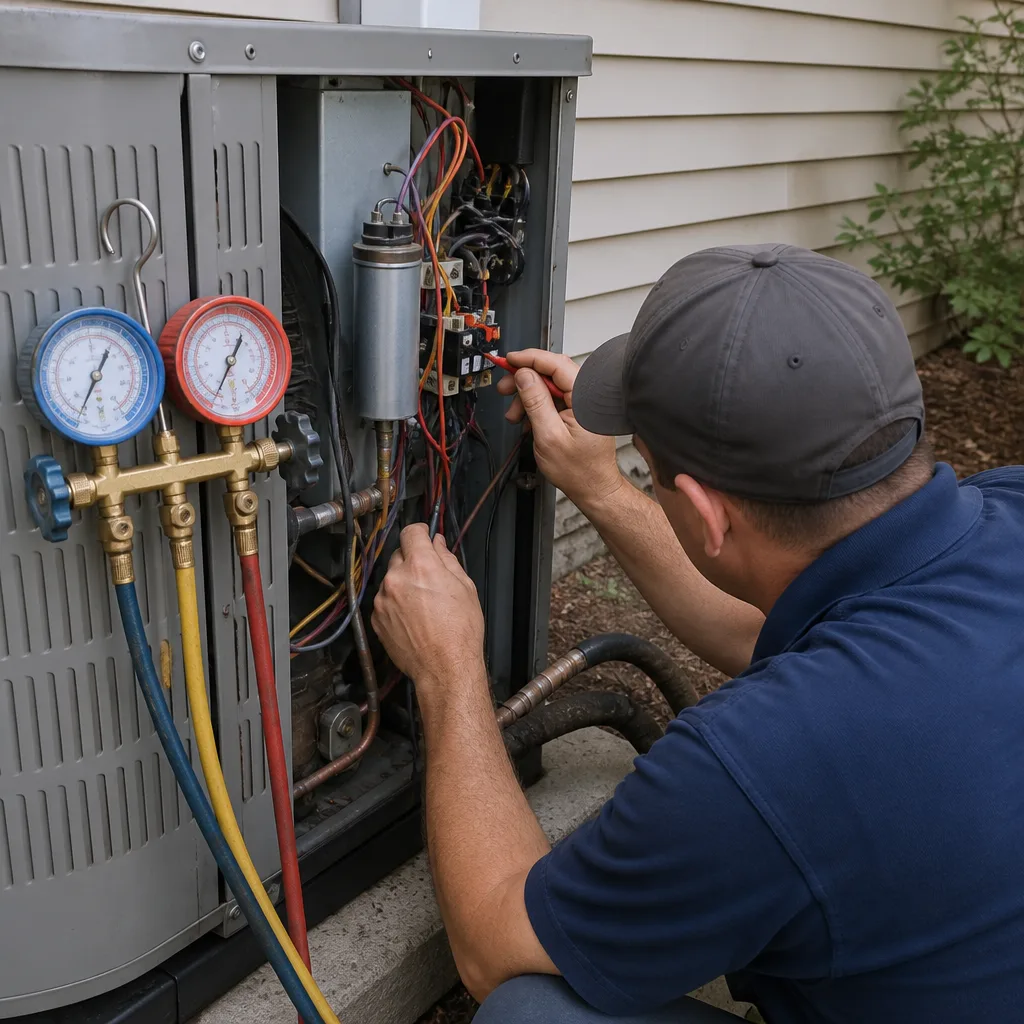
Changing your own air filter is not DIY HVAC, it’s basic homeownership. But topping off refrigerant without an EPA 608 certification is a federal violation that can carry a $44,539 per-day fine. The line between the two is less obvious than most guides admit, and in Tampa the stakes are higher than almost anywhere else in the country. A system that runs 3,400 hours a year in 90-degree heat and 80% humidity fails differently than one in Phoenix or Denver. This guide draws the actual legal and practical line: what you can do yourself, what you legally cannot, what voids your warranty, and where the real savings are. We’ll cover the five most common DIY attempts Tampa homeowners make, how Florida law governs each one, and how to document your own work so you don’t guess your way into a $3,000 compressor failure.
Styles & brands we work with
Quick Answer
For most Tampa homeowners, DIY HVAC work should be limited to filter replacement, drain line flushing with water, coil cleaning with approved no-rinse products, and thermostat battery changes. Anything involving refrigerant, electrical disconnects, capacitor replacement, or duct modifications requires a licensed Florida contractor, both legally and to preserve most manufacturer warranties. The five most common DIY repairs in Tampa carry mixed returns: filter and drain maintenance save real money, but a failed capacitor or coil cleaning mistake typically costs more than a professional visit would have.
Table of Contents
- The Legal Line: What Florida Law Actually Says
- How DIY Work Voids Warranties in Florida
- The Five Most Common Tampa DIY Attempts, Costed Out
- Tampa’s Humidity Problem: Why DIY Coil Cleaning Is Riskier Here
- The Safe DIY List: What Tampa Homeowners Can Legally Do
- Photo Documentation: Building Your Own Maintenance Baseline
- Common Mistakes to Avoid
- When to Call a Professional
- Frequently Asked Questions
- The Bottom Line
The Legal Line: What Florida Law Actually Says
Florida law is surprisingly specific about what counts as HVAC work. Under Chapter 489 of the Florida Statutes, “air conditioning contracting” is a regulated trade. The statute defines it as installing, maintaining, repairing, altering, extending, or designing any system that conditions air for human comfort. That definition covers a lot, but the practical enforcement line for homeowners comes down to three specific tasks.
Refrigerant handling is the bright red line. Since 1994, federal EPA regulations under Section 608 of the Clean Air Act have required anyone who handles refrigerant, even to add it to a system, to hold an EPA 608 certification. In Florida, state law goes further: any work on the sealed refrigerant system requires a licensed Certified Air Conditioning Contractor (CAC). You cannot legally buy refrigerant in containers larger than small cans without a license, and the fines for violations are not theoretical. The EPA has levied fines ranging from $20,000 to over $100,000 for homeowners and unlicensed handymen caught venting or handling refrigerant.
Electrical work on the disconnect or capacitor falls under a gray area. Florida allows homeowners to do some electrical work on their own single-family home, but only if it passes inspection and the homeowner does the work themselves. The problem is that an HVAC condenser capacitor change requires disconnecting power at the service disconnect, understanding the microfarad (µF) rating, and discharging the capacitor safely. A capacitor holds a charge even with the power off, and touching the terminals wrong can stop your heart. More practically for the legal question: if the work causes a fire or an injury, your homeowners insurance will be looking for any reason to deny the claim, and unlicensed electrical work is a favorite reason.
Duct alterations require a permit in most Tampa-area jurisdictions. The City of Tampa, Hillsborough County, and most unincorporated areas require mechanical permits for duct modifications beyond simple register replacement. That means moving a supply line, rerouting a return, or adding a new run to serve a finished room is a permit-triggering event, and permits require a licensed contractor or an owner-builder permit with inspection. In our experience serving Tampa homes since 2004, the homeowners who get into trouble are not the ones who swap a filter. They’re the ones who think “it’s just a duct” and then find out their home sale is stalled over an unpermitted mechanical alteration.
The takeaway: filter, drain, thermostat, coil cleaning, and basic visual inspection are yours. Refrigerant, electrical, and duct work are not. When you’re ready for professional work, AC Repair in Tampa is the page that covers what a licensed visit actually includes.
How DIY Work Voids Warranties in Florida
Most homeowners discover the warranty problem after the compressor dies. The manufacturer’s warranty book, usually unread in a kitchen drawer, contains language that most Florida homeowners never see. That language matters a lot when a $2,800 compressor replacement is on the line.
Manufacturer warranties require professional installation and maintenance records. Lennox, Goodman, Rheem, and York all publish warranty terms that condition coverage on “proper installation, operation, and maintenance.” Goodman’s standard compressor warranty, for example, requires proof of annual professional maintenance if the compressor fails due to causes that could have been prevented by routine service. What does “improper maintenance” mean in practice? A clogged filter that starved the blower. A dirty condenser coil that drove head pressure high enough to trip the compressor’s thermal overload enough times to burn out the windings. An evaporator coil that froze repeatedly because refrigerant was low and the homeowner kept running it anyway. All of these are maintenance failures, not manufacturing defects, and the manufacturer will deny the claim on any of them.
Home warranty companies are even stricter. Florida home warranty policies, including the major national providers, uniformly exclude “damage caused by lack of maintenance, misuse, or improper repair.” If a home warranty adjuster sees a filter covered in enough dust to stand the paper upright, they’ll deny the AC claim and likely flag the entire HVAC portion of your policy. The documentation requirement cuts both ways: a professional visit creates a dated service record with measurements, while a DIY maintenance session creates nothing. You know you changed the filter every 60 days, but proving it after a compressor failure is another story.
The documentation gap is the hidden cost of DIY. Every professional Furnace Repair in Tampa visit or AC service call generates a record: refrigerant pressures, motor amp draws, temperature splits, capacitor readings, drain condition. That record is evidence. It proves the system was operating correctly on a specific date. A homeowner with 13 years of spotless professional service records has a dramatically stronger warranty claim than an equally diligent homeowner with zero documentation. The warranty value alone justifies at least one professional maintenance visit per year.
The Five Most Common Tampa DIY Attempts, Costed Out
Here’s the honest cost comparison for the five jobs Tampa homeowners most often try to tackle themselves. The DIY cost includes reasonable tool and product purchases spread over one year, not the cost of buying a full tool kit for one job. The professional cost reflects typical Tampa market rates in 2025. The “real savings” column is where the math actually lands.
- Filter replacement. DIY cost: $8-$15 per filter, changed every 60-90 days. Professional: $15-$25 per filter during a service visit, installed as part of the visit. Real savings: $7-$10 per filter, or about $45 a year. Genuinely worth doing yourself, and it’s the single highest-impact maintenance task in Tampa’s dust and pollen environment.
- Drain line clearing. DIY cost: $0-$8 for a wet/dry vac attachment or a gallon of white vinegar, plus a few rags. Professional: $89-$139 for a standard drain flush and pan treatment. Real savings: $89-$139 per occurrence, with the caveat that a professional visit includes checking the float switch and overflow pan, which most DIY flushes skip. Worth doing yourself monthly, but not a substitute for an annual professional inspection.
- Coil cleaning. DIY cost: $15-$30 for a can of no-rinse evaporator coil cleaner and a soft brush, or $20-$40 for condenser coil cleaner and a garden hose. Professional: $120-$250 for a full evaporator and condenser coil cleaning as part of a maintenance visit. Real savings: $100-$200, but the risk is real, especially for evaporator coils in humid Tampa air. This is the job we see homeowners botch most often, and the cost of the mistake is a $1,500-$2,200 mold remediation or coil replacement.
- Thermostat replacement. DIY cost: $30-$150 for a standard or Wi-Fi thermostat. Professional: $180-$300 including the thermostat and wiring check. Real savings: $100-$150, with the condition that you’re comfortable identifying which wire is which and verifying your system type. It’s legal, it’s low-risk, and it’s worth doing yourself if you can match six to eight color-coded wires correctly.
- Capacitor swap. DIY cost: $20-$40 for the part online. Professional: $180-$280 for diagnosis, the part, labor, and check of the compressor and fan motor amps to catch an underlying reason the capacitor failed. Real savings: negative in most cases, because the root cause of a failed capacitor is often a motor drawing too much current, which a meter you don’t own would reveal. We’ve seen DIY capacitor swaps where the homeowner installed the wrong µF rating and wiped out the compressor start winding within a month. That’s not saving $200; that’s spending $1,800.
Tampa’s Humidity Problem: Why DIY Coil Cleaning Is Riskier Here
The single most counterintuitive finding in this guide is that in Tampa, a partially cleaned evaporator coil can be worse than an uncleaned one. That’s not true in Phoenix or Denver. It’s true here, and the reason is biology.
Tampa’s outdoor air during any month from April through November runs 65-85% relative humidity. An evaporator coil operates at 35-45 degrees Fahrenheit. The temperature differential means the coil creates its own microclimate, condensing water out of the air constantly. That condensation is exactly what the drain system is designed to remove, but the coil surface remains damp for nearly 100% of the cooling season. A damp, dark, cool surface with a steady supply of dust and organic particles from the air is a microbe farm. Every coil in every Tampa home has some degree of microbial growth. The question is whether it’s controlled or rampant.
What happens when a homeowner partially cleans the coil: They spray a foaming cleaner onto the visible surface, wipe down what they can reach, and stop. The problem is that Florida evaporator coils are typically A-frame or slab coils in a dark cabinet, and a homeowner with a spray can and a brush can access maybe 40% of the surface. The section they cleaned is now free of dust and microbes, which means the coil cleaner’s residual anti-microbial coating protects only that zone. The section they didn’t reach still has dust, condensation, and active growth. Worse, the spraying pushed moisture and loosened debris deeper into the coil fins. The cleaned area condenses water more efficiently now, which means more water flows over the untouched, microbial-laden section. It’s a growth accelerator. Within three to six months, the coil you partially cleaned can be worse than before you touched it.
The right way to clean an evaporator coil in Tampa: The coil must be removed from the cabinet or accessed through a service panel large enough to reach the entire surface. The drain pan below it must be treated, not just the coil. The product must be a no-rinse, low-foam formula approved for evaporator use by the coil manufacturer. The blower must be run for 20-30 minutes afterward to dry the coil completely before it returns to service. Skipping any of these steps in Tampa’s humidity leaves a damp, partially treated surface primed for the next growth cycle. This is the one DIY task where the local environment changes the risk profile enough that we recommend hiring it out, at least once, to see what a proper cleaning looks like.
The Safe DIY List: What Tampa Homeowners Can Legally Do
So what’s actually yours to do? More than most guides admit, which matters because the flip side of illegal DIY is neglectful inaction. A homeowner who does nothing out of fear is worse off than one who never touches a wrench. Here’s the full legal DIY list, step by step.
- Filter replacement. This is the number-one highest-impact task in Tampa. A 1-inch pleated filter (MERV 8-11) changed every 60-90 days is the single best thing you can do between professional visits. If you have a 4-inch media filter cabinet, it’s every 6-12 months. Write the date on the filter frame with a marker. That’s your documentation, and it works in a warranty fight.
- Condenser coil surface cleaning. You own the outdoor unit. Cut the power with the wall disconnect – never under the panel without it – then wet the coil gently with a garden hose, no pressure washer, from the outside in. Spray a coil-specific foaming cleaner if visible dirt remains. Let it dwell per label instructions, rinse thoroughly with low water pressure, and let the unit dry for 30 minutes before restoring power. This is safe, legal, and genuinely effective.
- Drain line maintenance. Find the PVC drain line, usually a capped tee near the indoor air handler. Pour one cup of white vinegar into the line once a month during cooling season. Attach a wet/dry vac to the line outlet outside – that’s the PVC pipe dripping water near the outdoor unit – and run it for 60-90 seconds to pull through the loosened slime. This prevents the classic Tampa drain clog that trips the float switch and leaves your house at 88 degrees on a July afternoon. Full AC Installation in Tampa systems include drain routing designed for easy homeowner maintenance, but any configured system has accessible access points.
- Thermostat replacement. Turn off the circuit breaker for the air handler, not just the thermostat. Photograph the existing wiring with your phone before disconnecting anything. Match wire colors to the new thermostat’s terminals using the photo, not memory. Turn power back on and test both heating and cooling modes. If you have a heat pump, ensure the reversing valve setting, usually marked O or B, is configured correctly or you’ll get heat when you call for cool.
- Visual and audio inspection. Walk around the outdoor unit every quarter. Listen for any rasping, grinding, or chattering sounds. Look for the copper refrigerant line having excessive frost or ice; a thin even frost on the suction line is normal, but ice on the compressor or the smaller liquid line is not. Check that the drain line is actually dripping during a normal cooling cycle. Photograph anything that looks wrong and send it to a professional before it becomes an emergency.
Photo Documentation: Building Your Own Maintenance Baseline
Here’s the tactic most DIY guides miss entirely. After your next professional service visit, ask the technician to photograph the four key reference points before they leave: the condenser coil, the evaporator coil, the capacitor with its µF rating visible, and the drain line layout. Those four photos are your maintenance baseline. They show what a professionally serviced system looks like in your specific home.
Six months later, after you change the filter and clean the condenser coil yourself, photograph the same four points from the same angles. Compare them to the baseline. The comparison tells you exactly what you’re missing. Is the condenser coil accumulating dust in a pattern you can’t reach with a hose? Is the evaporator starting to show the grayish film that signals early microbial growth? Is the capacitor showing a bulged top or rust around the terminals? You’re not guessing anymore. You’re comparing against a known-good state.
This baseline protocol is the closest thing to a professional inspection without a professional. It creates a visual record that supports warranty claims, catches problems 6-9 months earlier than verbal description alone, and gives you an honest answer to the question “should I clean this myself or call someone?” If your coil matches the baseline after light cleaning, you know your technique is working. If it’s drifting, you know it’s time to bring in a pro.
At Halden Heating and Air Tampa, we hand this documentation to every customer after every service call. Some customers use it exactly as described. Others use it to call us sooner when they see drift. Both are fine. The point is that you should never be in a position of guessing whether your equipment is healthy, especially in a climate that punishes neglect as quickly as Tampa’s does.
For a deeper look at how our repair process works and what we check on every visit, see AC Repair in Tampa.
Common Mistakes to Avoid
- Using a pressure washer on the condenser coil. It folds the aluminum fins flat, kills airflow, and raises head pressure. In Tampa’s summer heat, that’s a fast track to a tripped high-pressure switch or a cooked compressor. Garden hose pressure only, spray from inside out if accessible.
- Adding refrigerant from a store-bought can with a hose. It’s not just illegal without an EPA 608 certification; it’s also blind. You have no way to measure superheat or subcooling, the two measurements that tell you if a system is overcharged or undercharged. A system overcharged by 10% loses efficiency and shortens compressor life. That $40 can ends up costing $800 in compressor damage on a Goodman or Rheem system.
- Changing the filter only when you remember. Tampa’s pollen season runs February through May, but dust, pet hair, and construction debris make filter loading a year-round issue. A clogged filter is the leading cause of evaporator coil freeze-ups in Tampa, which leads to water damage when the coil thaws. Mark every filter with the install date.
- Cleaning only the evaporator coil, never the drain pan. The pan holds standing water, which is where the slimiest growth lives. Cleaning the coil and ignoring the pan means the microbial source is untouched, and your clean coil picks up spores within weeks.
- Ignoring the float switch when the pan is dry. The float switch is the safety that shuts off the AC when the drain clogs. Test it quarterly by pouring water into the overflow pan and confirming the unit shuts down. A homeowner who bypasses a tripped float switch to keep the air running causes the ceiling damage that insurance may not cover.
- Replacing a component without checking why it failed. A capacitor fails for a reason. A motor that’s drawing excessive amps kills capacitors quickly. So does a coil that’s so dirty the compressor struggles to start. Installing a new capacitor without finding the root cause is like replacing a blown fuse without finding the short. The defect repeats, and the second failure often takes out a compressor.
- Assuming DIY work is always cheaper. On the five jobs costed out above, only filter and drain maintenance produce reliable savings. Coil cleaning breaks even only if done correctly every time, and a single mistake flips it negative. Capacitor swaps almost always go negative. The honest accounting matters because Tampa HVAC failure mode is rarely a single $200 part. It’s a $200 part plus the $1,200 failure it caused.
When to Call a Professional
Call a professional the moment you encounter any of these situations: you hear a grinding or metallic shrieking from either unit; the system trips its breaker more than once; ice forms on the outdoor unit or the larger of the two copper lines; the system runs but produces no temperature change; you smell a burning or electrical odor from any vent; or your condensate drain is overflowing despite monthly vinegar flushes. These are not DIY-diagnosable failures, and the cost of waiting in Tampa’s heat compounds every day. A system running with a failing component is consuming energy and wearing down everything else. Halden Heating and Air Tampa offers free estimates across Tampa, and our technicians arrive with a written price before any work starts. Call (850) 608-1463.
Frequently Asked Questions
No. Federal law requires an EPA 608 certification to handle refrigerant, and Florida also requires a licensed CAC contractor for sealed-system work. Violations carry fines up to $44,539 per day, and homeowner insurance policies don’t cover damage from unlicensed refrigerant work. Call (850) 608-1463 for a professional recharge with documented pressures.
The most common mistake we see is partial evaporator coil cleaning that leaves half the coil untouched in Tampa’s humid air. The cleaned half condenses more efficiently, the untouched half retains microbial growth, and the result is a coil that’s worse within three to six months. A professional coil cleaning reaches 100% of the surface and treats the drain pan. Call (850) 608-1463 to schedule one.
No. Filter replacement is basic homeowner maintenance, and no manufacturer requires a professional for it. The warranty risk is the opposite: not changing the filter creates the maintenance neglect that warranty adjusters use to deny compressor claims. Change filters every 60-90 days and write the date on the frame.
Yes, it’s one of the safest meaningful DIY upgrades a Tampa homeowner can do. A Wi-Fi thermostat costs $30-$150, and the wiring swap takes 30 minutes with a photo of the existing connections. The main risks are misidentifying wires or setting the wrong heat pump reversing valve, which produces hot air in cool mode. Both are correctable with the instructions.
Twice a year. Our climate demands a pre-season check in March or April before summer heat and humidity arrive, and a follow-up in October or November after the cooling season ends. Annual maintenance is the minimum for warranty protection; twice a year is what Tampa conditions actually warrant. Call (850) 608-1463 to schedule a maintenance visit.
Replace the system if it’s over 12 years old and the repair estimate exceeds 30% of replacement cost, or if the compressor has failed. In Tampa, that math skews toward replacement faster than in cooler climates because a system running 3,400 hours a year ages faster than one running 1,500. For a detailed replacement cost guide, see AC Installation in Tampa.
The Bottom Line
Tampa’s heat and humidity make HVAC maintenance a higher-stakes game than in most of the country, and the legal line between DIY and professional work is drawn with real penalties. Filter changes, drain flushes, condenser coil rinses, and thermostat swaps are yours. Refrigerant, electrical components, and duct work are not. The warranty documentation gap is the hidden cost of aggressive DIY, and the humidity-driven risk of partial coil cleaning is the mistake that turns a $30 product into a $2,000 remediation. Build your photo baseline after a professional visit, do the six safe tasks consistently, and call (850) 608-1463 when you hit the legal line or the diagnostic wall. Halden Heating and Air Tampa has served Tampa since 2004 as part of the Relay Home Co. network, with written prices before every job and a written guarantee on every repair. Start with the Halden Heating and Air Tampa home page to book online with a live arrival time.
Written by Andre Fuller, Owner at Halden Heating and Air Tampa, serving Tampa since 2004.
See the difference
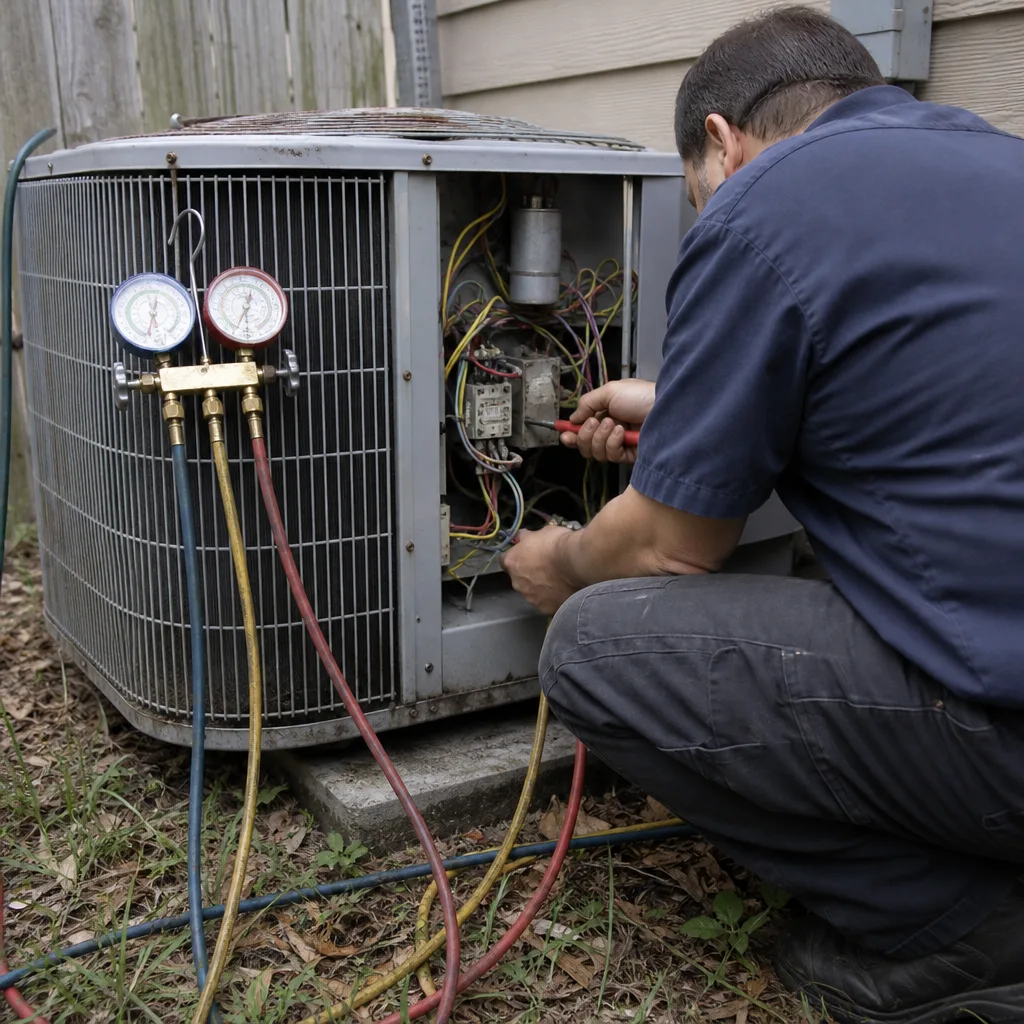 Before
 After
After Before
 After
After Before
 After
After