
Last updated October 16, 2026
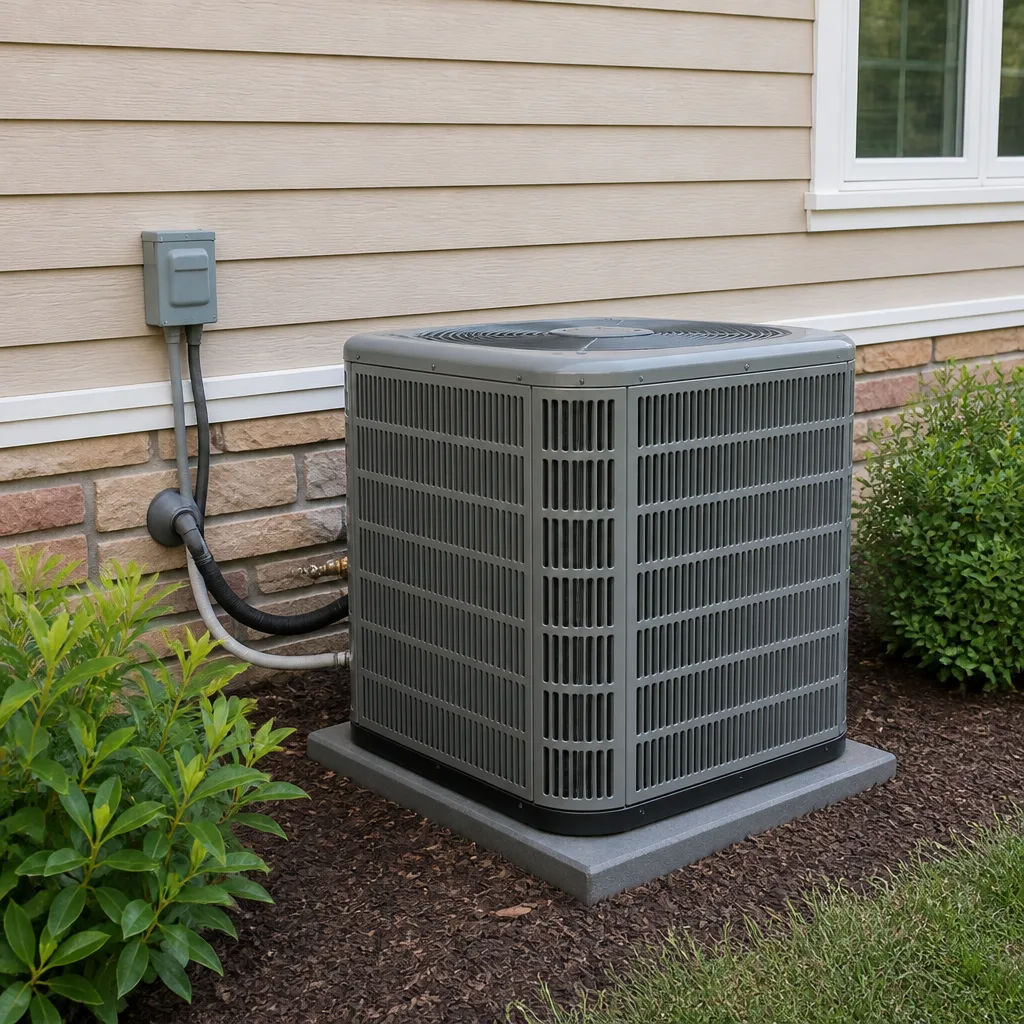 AC repair
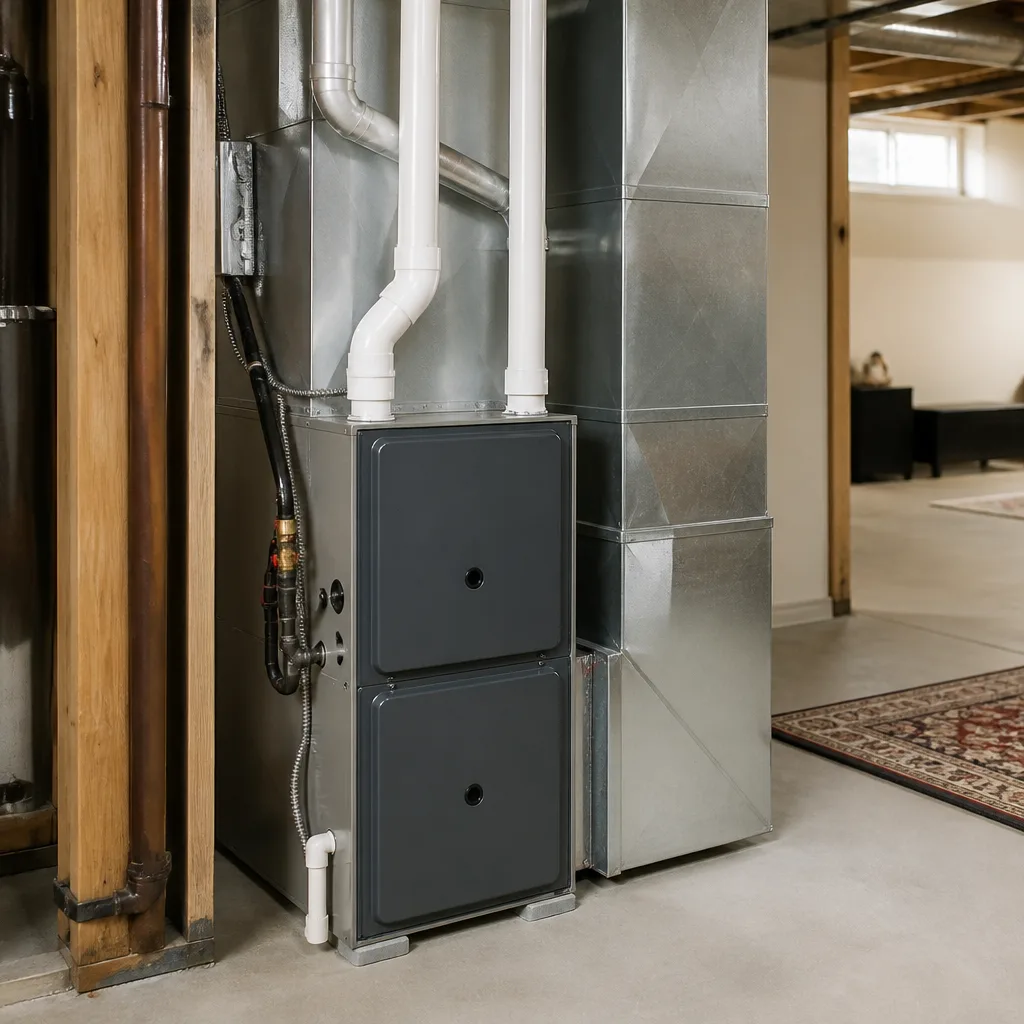 Furnace & heating
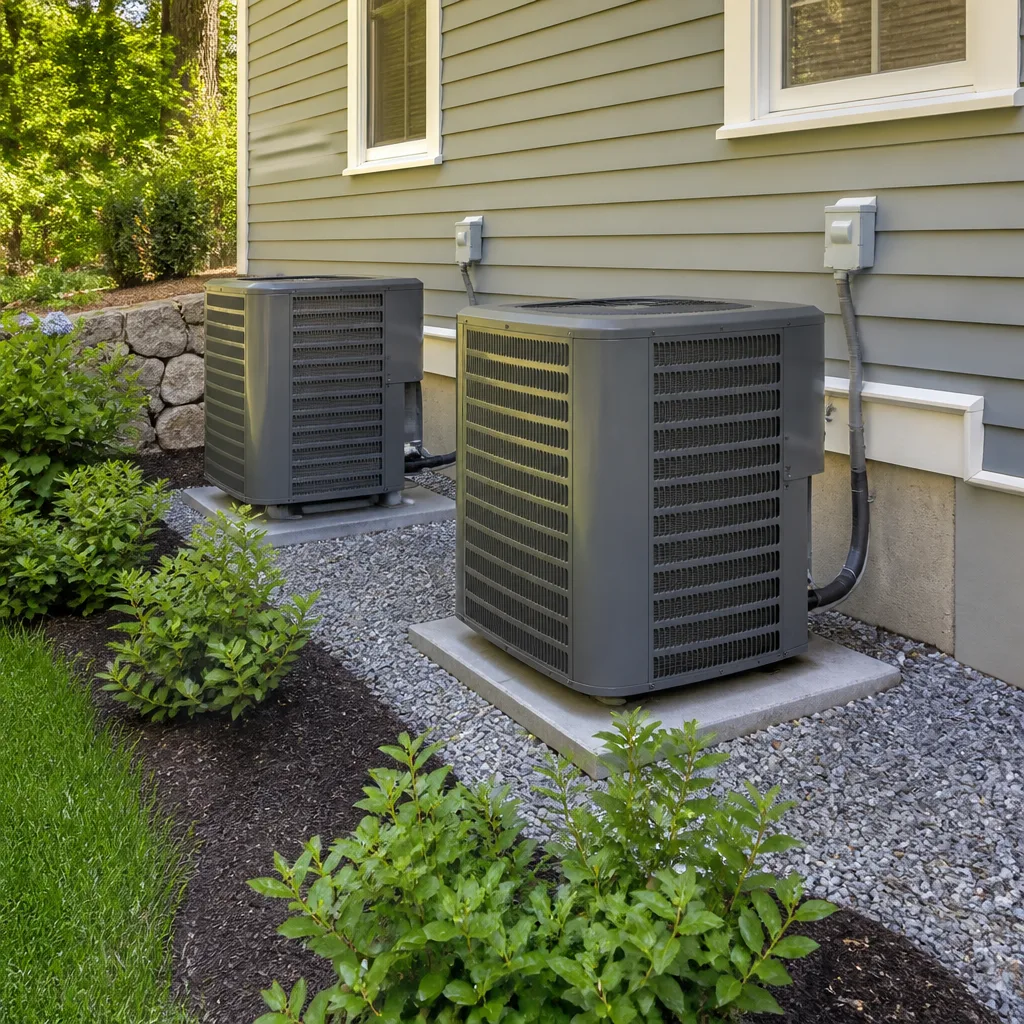 Heat pumps
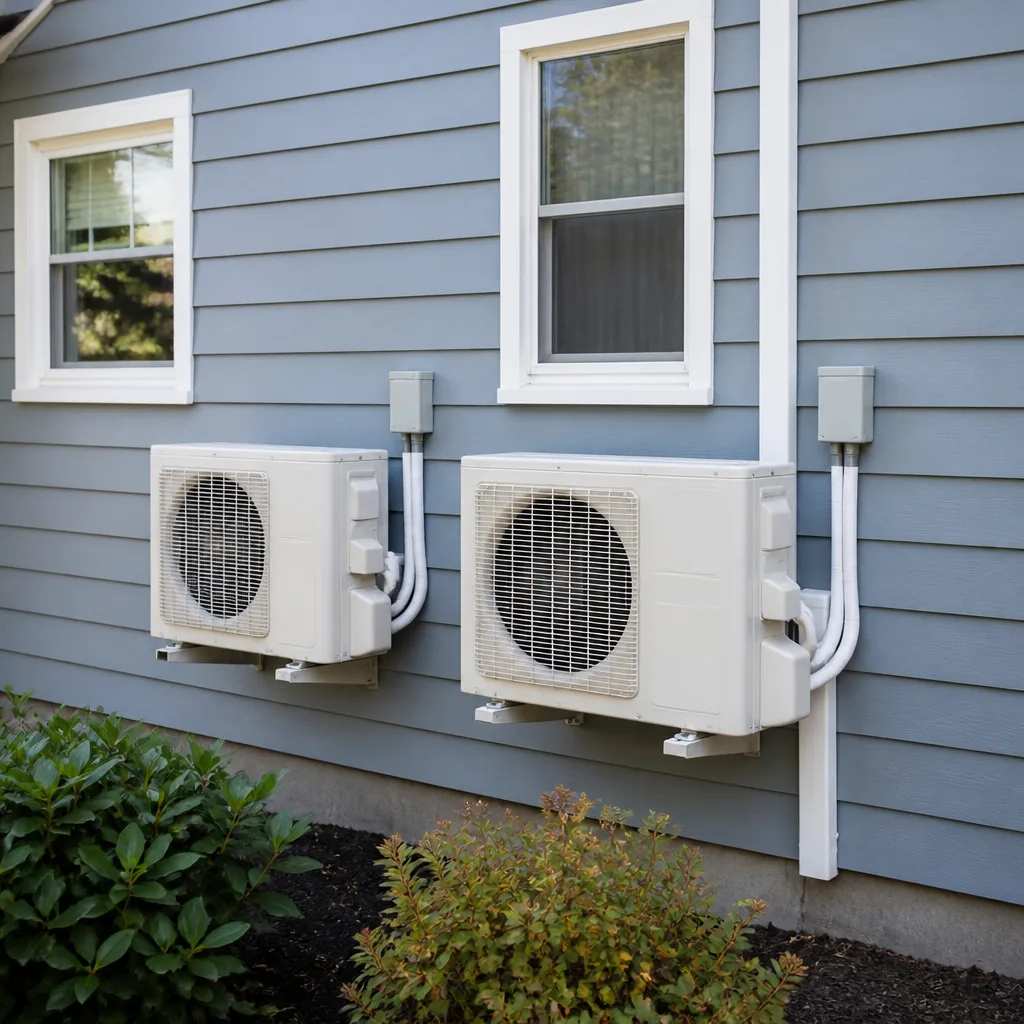 Ductless mini splits
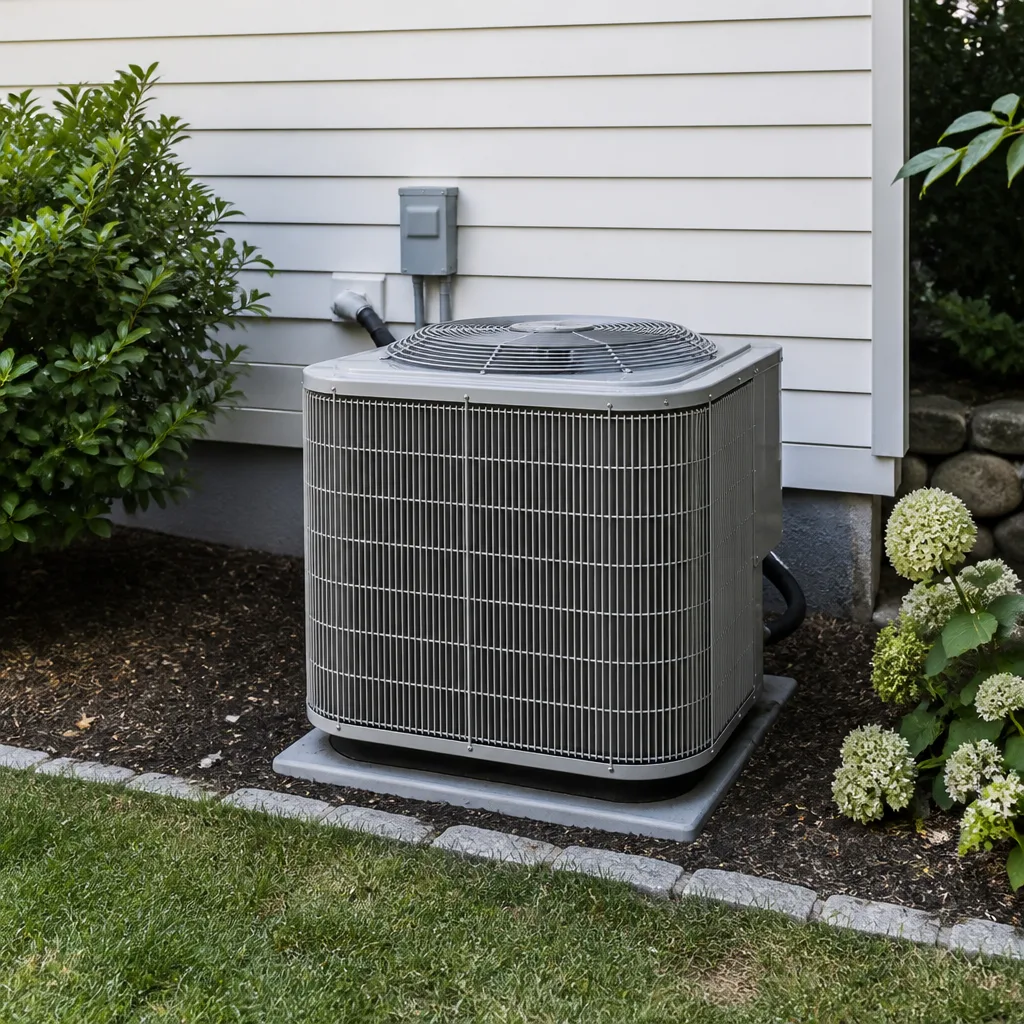 Carrier
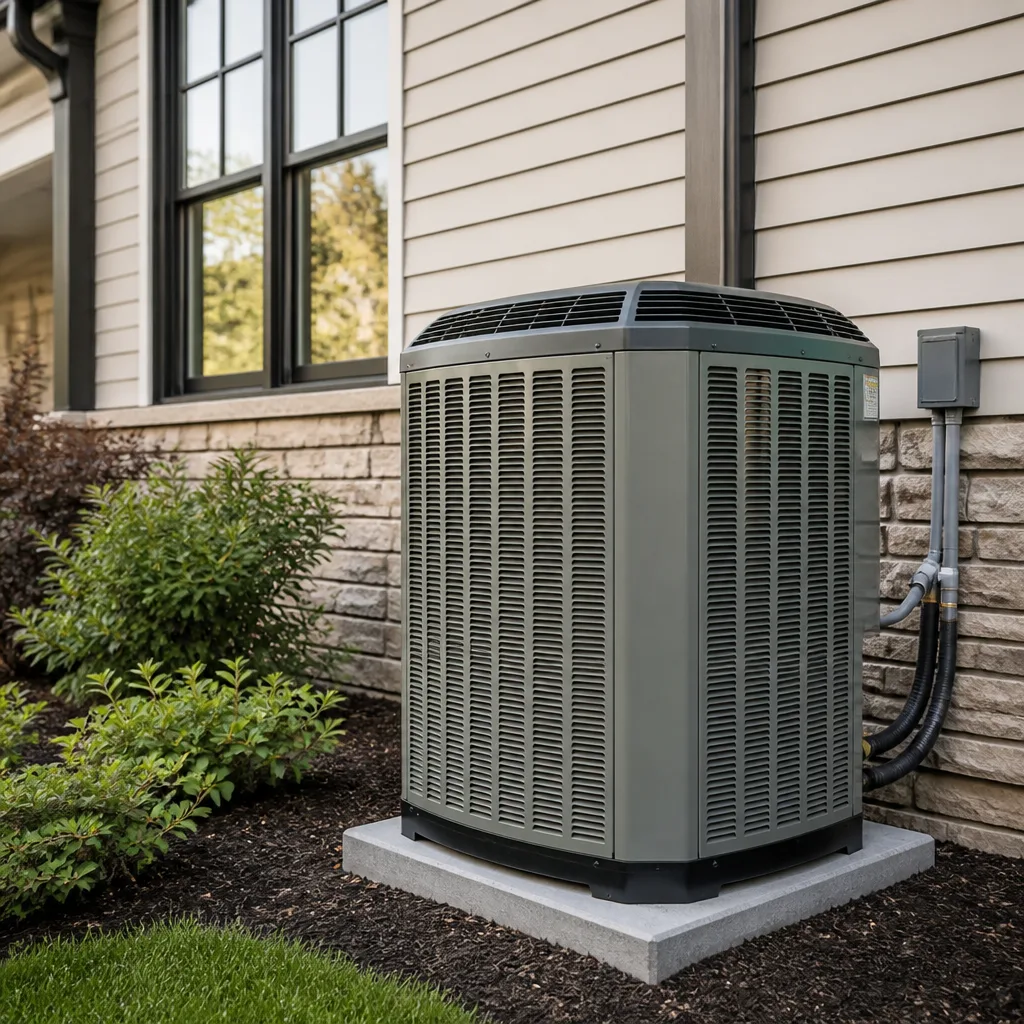 Trane
Trane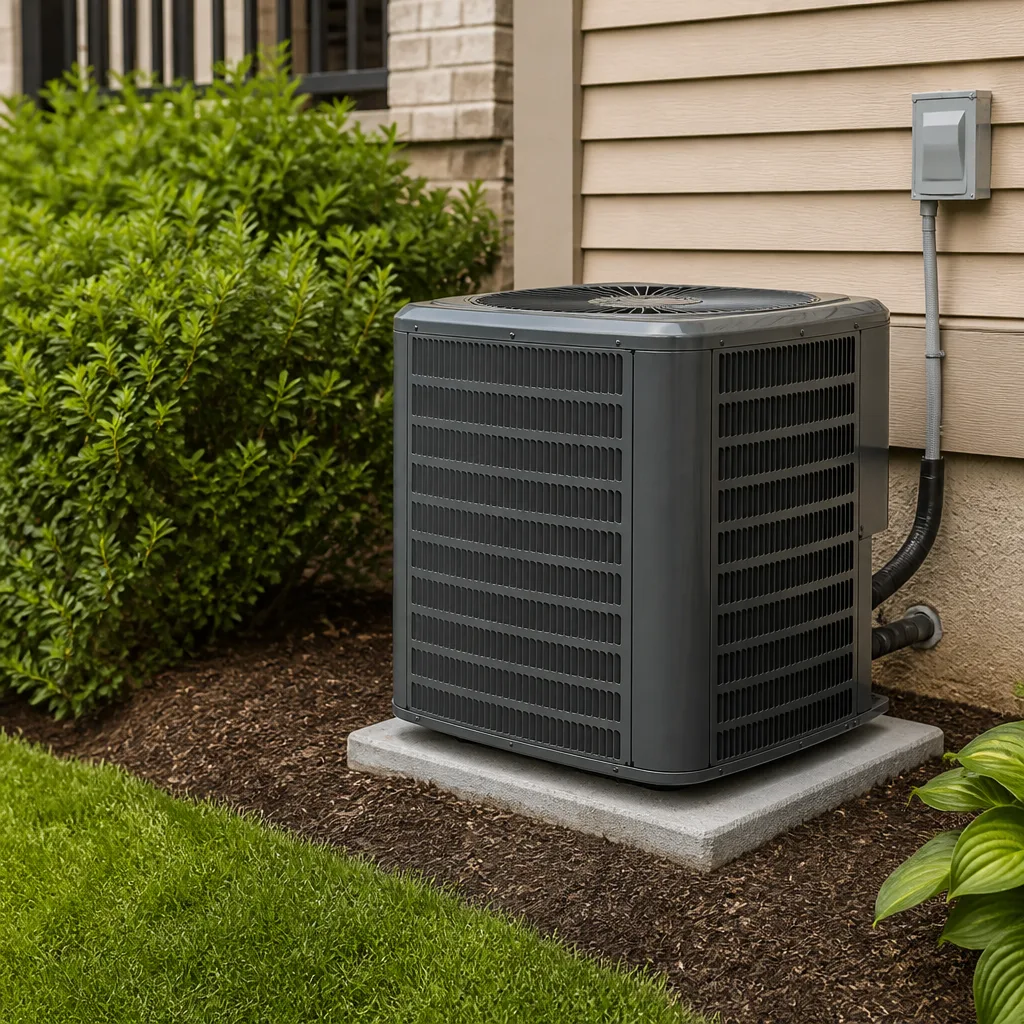 Goodman
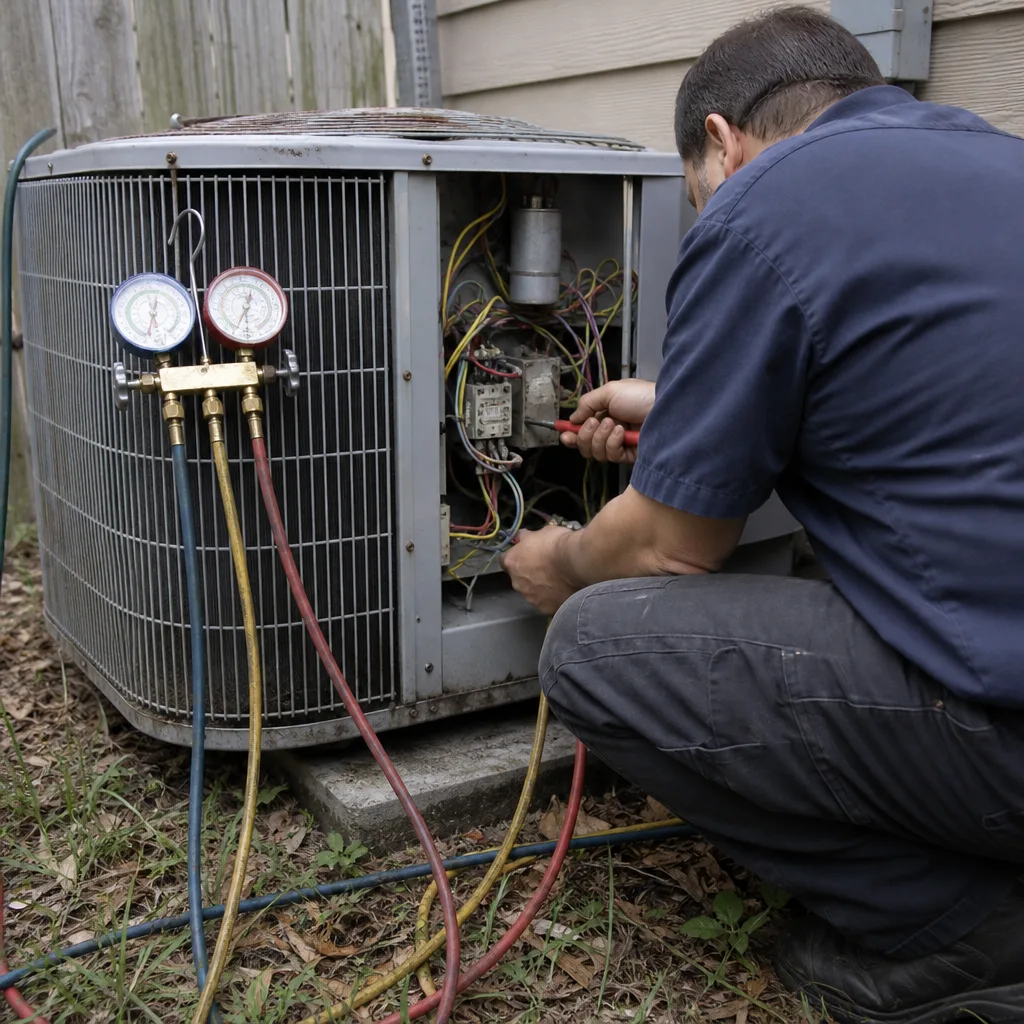
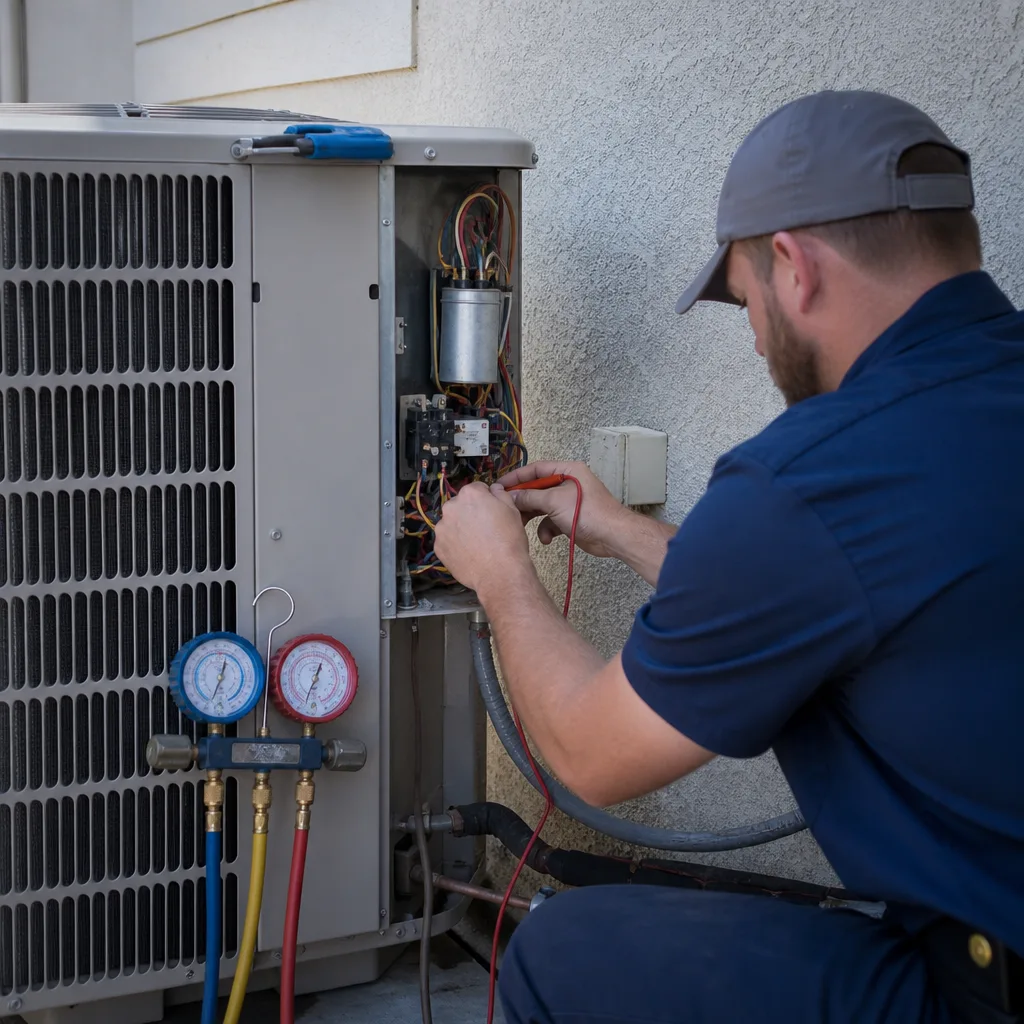
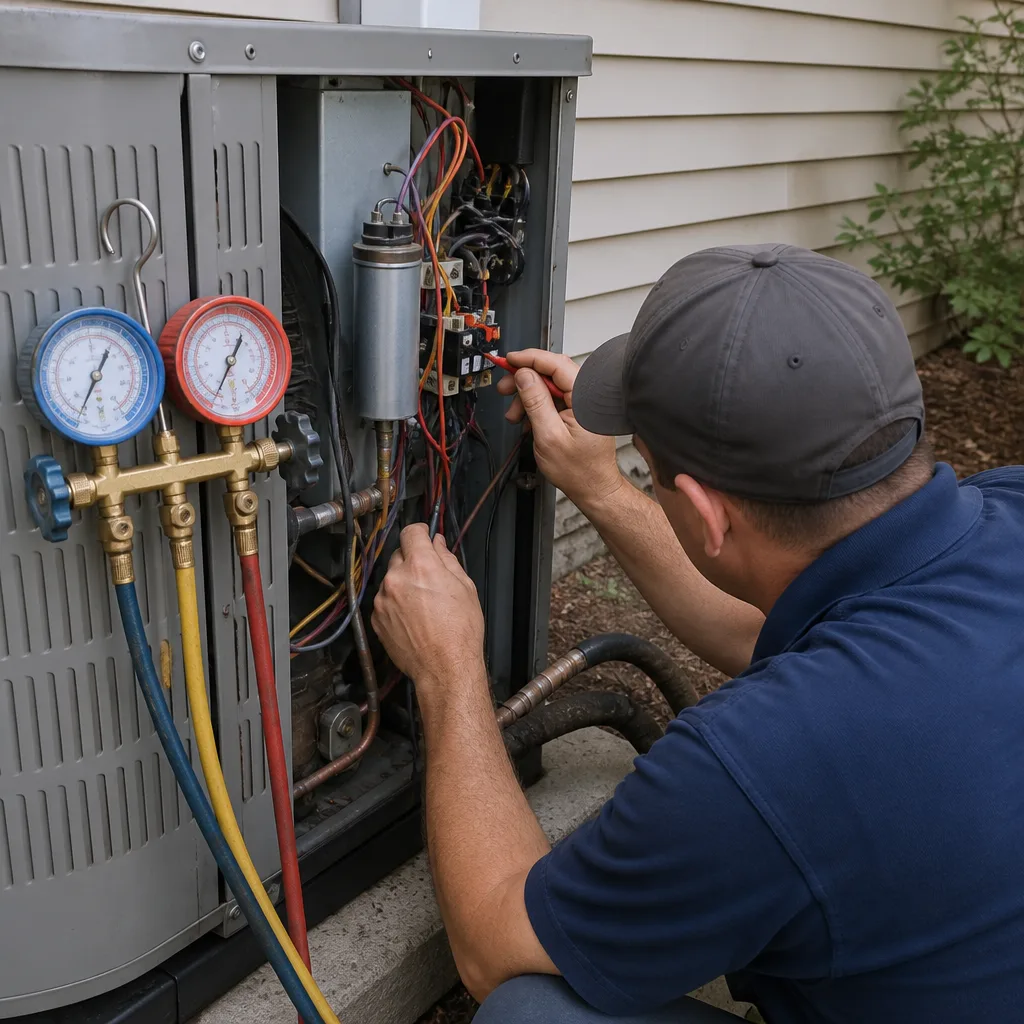
Seasonal tune-up and full diagnostic on your Carrier, Trane, or Goodman system - readings shown to you before any repair is proposed
Diagnosis first, numbers second - you approve the repair price before a single part goes in.
Get your free estimateThe Complete Guide to HVAC in Tampa
Here’s a number that should reframe how you think about your air conditioner: the average Tampa home runs its AC roughly 2,800 hours per year. That’s nearly double the national average, and it doesn’t even count the humidity your system fights from April through November. Most HVAC buying guides are written for climates that get a three-month break between heating and cooling seasons. Tampa doesn’t work that way. This guide maps every HVAC decision you’ll face, from sizing and scheduling to financing and lifespan, against Tampa’s actual climate data. You’ll learn why the advice you’ve read from northern or even Orlando-based sources might be costing you money, and what to do about it.
Quick Answer
HVAC in Tampa isn’t a luxury; it’s a 12-month system that needs to handle roughly 2,800 cooling hours annually, punishing humidity, and a 9-month cooling season. Your AC will likely last 10 to 12 years here, not the national 15-year benchmark, because salt air, constant runtime, and humidity accelerate wear. The single most important decision you’ll make is proper sizing via a Manual J load calculation that accounts for Tampa’s humidity, not just its heat, because an oversized unit creates mold risk even when it cools fine. For repairs and maintenance, schedule work in the spring or fall shoulder seasons to avoid peak markups, and demand written pricing before any work begins. See our How to Hire a HVAC Contractor in Tampa: A Step-by-Step Guide for what to ask before signing.
Styles & brands we work with
Table of Contents
- Why Tampa’s Climate Changes Every HVAC Rule
- Manual J Load Calculations: The Math That Prevents Mold
- The Real Lifespan of an AC Unit in Tampa
- How to Read Your Tampa Utility Bill for Early Warnings
- Scheduling, Pricing, and the 9-Month Cooling Season
- System Options: What Actually Works in a Coastal Climate
- The Relay Visibility Guarantee, Explained in Plain Terms
- Common Mistakes to Avoid
- When to Call a Professional
- Frequently Asked Questions
Why Tampa’s Climate Changes Every HVAC Rule
Tampa sits on the Gulf Coast at roughly 27.95° N latitude, which means two things: intense solar gain and relentless humidity. The city’s annual average relative humidity hovers near 74%, and during the summer months, dew points regularly exceed 75°F. That’s the threshold where air feels genuinely oppressive, and it’s the metric your AC is actually fighting, not the temperature reading on your thermostat. Cooling air from 92°F to 75°F is the easy part. Removing the moisture from that air is the hard part, and it’s where most systems in Tampa get undersized, overworked, or both.
We consistently see a pattern in Tampa neighborhoods like Carrollwood, Westchase, and Seminole Heights: homes that cool fine on paper, but never feel comfortable. The thermostat reads 74°F, but the air feels sticky. That’s a humidity problem, not a temperature problem. When an AC unit is sized only for temperature, it short-cycles. It hits the set point quickly, shuts off, and never runs long enough to pull moisture from the air. The result is a house that feels like a cave, not a home. And over time, that excess moisture creates the conditions for mold growth in ductwork, walls, and insulation.
There’s another factor that doesn’t get enough attention: salt air. Homes within three miles of Tampa Bay or the Gulf get constant exposure to salt-laden air, which accelerates corrosion on condenser coils. This is why two identical systems installed in Brandon and South Tampa can have very different lifespans. The South Tampa unit, exposed to bay breezes off Old Tampa Bay, will typically show coil degradation two to three years earlier.
Manual J Load Calculations: The Math That Prevents Mold
A Manual J load calculation is a room-by-room analysis of how much heating and cooling a home actually needs. It accounts for square footage, window orientation, insulation levels, air leakage, ceiling height, and crucially, humidity. In Tampa, a proper Manual J must include a latent load calculation, which measures how much moisture the system needs to remove. This is the single most important piece of math for any AC installation in Tampa, and it’s also the most commonly skipped step.
Here’s what happens when a contractor skips Manual J and uses a rule of thumb, like 500 square feet per ton:
- The unit is oversized, meaning it cools the house too quickly.
- Short cycles prevent the system from running long enough to dehumidify.
- Relative humidity inside the house creeps up to 60% or higher.
- Condensation forms on cold surfaces, especially around registers and in the ductwork.
- Mold colonies establish themselves, and you’re now dealing with an indoor air quality problem that costs thousands to remediate.
An undersized unit is arguably worse. On a 95°F afternoon in August, it’ll run continuously and still not pull the temperature down. Your electric bill will spike, the compressor will wear prematurely, and you’ll be uncomfortable in your own home. The correct Manual J result for a 2,000-square-foot Tampa home typically lands between 3.5 and 4.5 tons, depending on construction materials, window count, and ceiling height. A 1970s block home with original windows will need more capacity than a new ICF-construction home in FishHawk Ranch, even at the same square footage.
If you’re getting estimates for an AC installation in Tampa, ask each contractor to show you their Manual J worksheet. If they can’t produce it, walk away. That’s not a preference; it’s a prerequisite for a system that works correctly in this climate.
The Real Lifespan of an AC Unit in Tampa
The national average lifespan for a residential air conditioner is often quoted at 15 years. In Tampa, you should plan for 10 to 12 years, and here’s why. First, runtime. A system that runs 2,800 hours per year in Tampa will log the equivalent of 42,000 hours in 15 years, compared to a northern system that might log 15,000 hours in the same period. Compressors, fan motors, and capacitors all have finite lifespans measured in runtime hours, not calendar years. Second, salt air and coastal humidity accelerate corrosion on the condenser coil and electrical connections. Third, the constant moisture load means the evaporator coil is wet more often, which accelerates the breakdown of protective coatings and invites corrosion.
We’ve replaced units in South Tampa that were only nine years old and already leaking refrigerant from corroded coils. We’ve also seen well-maintained systems in New Tampa and Wesley Chapel that made it to 14 or 15 years. The difference is almost always maintenance and installation quality. A system installed with a manual J calculation performed properly, a properly sized duct system, and regular seasonal maintenance will outlast a cheap install every time.
Realistic lifespan expectations by system type in Tampa:
- Standard single-stage AC (goodman, Rheem, Carrier base models): 10-12 years
- Premium two-stage or variable-speed AC (Carrier Infinity, Trane XV, American Standard Platinum): 12-15 years with diligent maintenance
- Heat pump (increasingly common in Tampa homes without gas lines): 10-14 years
- Ductless mini-split systems (Bryant Evolution, Trane) 12-16 years in most Tampa applications
One more thing on lifespan: your ductwork matters more than the unit. In Florida’s humidity, fiberglass ductboard can break down and grow mold in as little as 15 to 20 years. If your home in Tampa is older than that and you’ve never inspected the ducts, you’re likely losing 20-30% of your conditioned air into the attic. More on this in the common mistakes section below.
How to Read Your Tampa Utility Bill for Early Warnings
Before your AC fails completely, it will usually tell you it’s struggling. You just need to know how to read the signs. The most reliable early warning system is your monthly electric bill from Tampa Electric (TECO), which serves most of the city, or Duke Energy if you’re in parts of New Tampa or Wesley Chapel. Look for these specific patterns:
Step 1: Track Your Kilowatt-Hours Against Temperature
Pull up your last 12 months of electricity usage in kilowatt-hours (kWh). Most utility accounts show a bar graph of monthly usage. Compare the kWh you use in the mildest month (usually January or February in Tampa) to the hottest month (usually July or August). If your cooling-season usage is more than double your mild-season usage, your system is likely working harder than it should.
Step 2: Check the kWh Per Square Foot Threshold
As a rule of thumb in Tampa’s climate, a reasonably efficient home should use roughly 1.5 to 2.0 kWh per square foot per month during the peak cooling season. So a 2,000-square-foot home should land between 3,000 and 4,000 kWh in July or August. If you’re at 2.5 kWh per square foot or higher, something is wrong. That “something” is usually one of four things: low refrigerant (small leaks are common on units over 8 years old), failing capacitors causing the compressor to work harder, poor duct insulation or leakage in the attic, or a system that’s simply too old to maintain its efficiency.
Step 3: Look for Month-Over-Month Spikes Without Weather Changes
If your July bill was 3,200 kWh and your August bill is 4,100 kWh, but the average temperature was essentially the same, your system is losing efficiency fast. A refrigerant leak, a failing compressor, or a clogged evaporator coil will all cause a sudden step-change in energy consumption. This is the point where you call for an AC repair in Tampa before the system fails entirely.
Step 4: Know What a Clean Bill Looks Like
A well-maintained, properly sized AC unit in a typical 1,800 to 2,200-square-foot Tampa home should produce a July or August electricity bill between $180 and $280, based on current TECO rates. That assumes you keep the thermostat around 76 to 78°F during the day. If your bill is consistently above $300 in the summer months, you have an efficiency problem worth investigating before it becomes a breakdown problem.
Scheduling, Pricing, and the 9-Month Cooling Season
Tampa doesn’t really have a heating season. It has a 9-month cooling season from March through November, a mild transition period in December and February, and a brief “cool enough to open the windows” stretch in January. What most people don’t realize is that this changes when you should schedule maintenance, negotiate pricing, and avoid peak-season markups.
Here’s the local rhythm most savvy Tampa homeowners follow:
- Schedule AC maintenance in February or early March. Every contractor in Tampa is slammed from May through September. If you call for a tune-up in July, you’ll pay more for the same service, and you’ll wait longer for it. Doing it in late February means your system is ready for the first 90°F day in April.
- Negotiate system replacements in October or November. This is the shoulder season. The heat has broken (mostly), but the contractors haven’t yet shifted to furnace calls. You’ll get more attention, faster installation dates, and often better pricing because crews aren’t running 16-hour days.
- Avoid scheduling major repairs in July or August unless it’s an emergency. This is when labor rates are highest and parts availability is tightest. If a capacitor fails in August, you’ll pay a premium for a same-day service call. That’s the market reality.
- Plan for heating maintenance in December. Even though Tampa’s heating needs are modest, the few cold snaps we get (like the January 2025 freeze that dropped temps below 30°F) catch a lot of furnaces off guard. A simple furnace repair in Tampa in December prevents a scramble in January.
The 3-month “heating” period, if you can call it that, is also your best opportunity to test your system without the stakes of a summer heat wave. If your heat pump or furnace runs loudly, smells musty, or struggles to hold a 68°F set point in January, those are early warnings that something more serious is coming.
System Options: What Actually Works in a Coastal Climate
When you’re selecting new HVAC equipment in Tampa, the variables are different than they are in Minneapolis or even Atlanta. Here’s what we actually recommend based on two decades of installs in this market:
Heat Pump vs. Standard AC + Separate Furnace: For most Tampa homes without natural gas lines, a heat pump is the correct choice. It handles both cooling and the mild heating Tampa needs, and modern inverter-driven heat pumps from Trane, Carrier, and American Standard are dramatically more efficient than the models from even a decade ago. The exception is if you have an existing gas furnace that’s in good shape. In that case, replacing just the AC condenser and coil is often the smarter financial move.
Variable-Speed vs. Single-Stage: This is where the humidity factor becomes decisive. A single-stage AC runs at 100% capacity or not at all. A variable-speed system can run at 30-40% capacity for longer cycles, which means it dehumidifies far more effectively. Given Tampa’s 74% average humidity, the variable-speed upgrade isn’t just a comfort luxury, it’s a mold prevention strategy. A variable-speed Bryant Evolution or Carrier Infinity system will hold indoor humidity below 50%, while a basic single-stage unit might let it drift up to 60% during mild, humid weather in October or March.
Corrosion Protection Matters: If you live within a few miles of the bay or gulf, look for condenser units with epoxy-coated coils. Most premium lines from Carrier, Trane, and American Standard now include this as a standard feature. Budget units often skip it, and the difference shows up as coil leaks within 7 to 8 years.
Ductless and Multi-Zone Systems: For older Tampa bungalows with no existing ductwork, or for additions and garage conversions, ductless mini-splits are increasingly the right answer. They’re efficient, quiet, and offer room-by-room control. We install these regularly in Seminole Heights and Tampa Heights, where homes built in the 1920s and 1930s were never designed for central air.
The Relay Visibility Guarantee, Explained in Plain Terms
Halden Heating and Air Tampa is part of the Relay Home Co. network, and every job we do is held to The Relay Visibility Guarantee. Here’s what that actually means for you, in plain terms, because the HVAC industry is full of vague promises and this is supposed to be different.
First, live arrival time tracking. When you book with us, you get a real arrival time, not a four-hour window. You can track your technician to your door the same way you track a rideshare. You’ll know their name, see their photo, and watch their progress on a map. No more waiting around for a stranger who might show up “sometime between noon and 4.”
Second, locked written pricing before any work starts. Every job, no exceptions, includes a written price delivered before a tool is picked up. That price doesn’t change at the door. No upsells, no surprise fees, no “well, we found something else.” The written guarantee covers every repair. If the repair fails within the coverage window, we come back at no charge. That’s not an add-on. It’s included automatically.
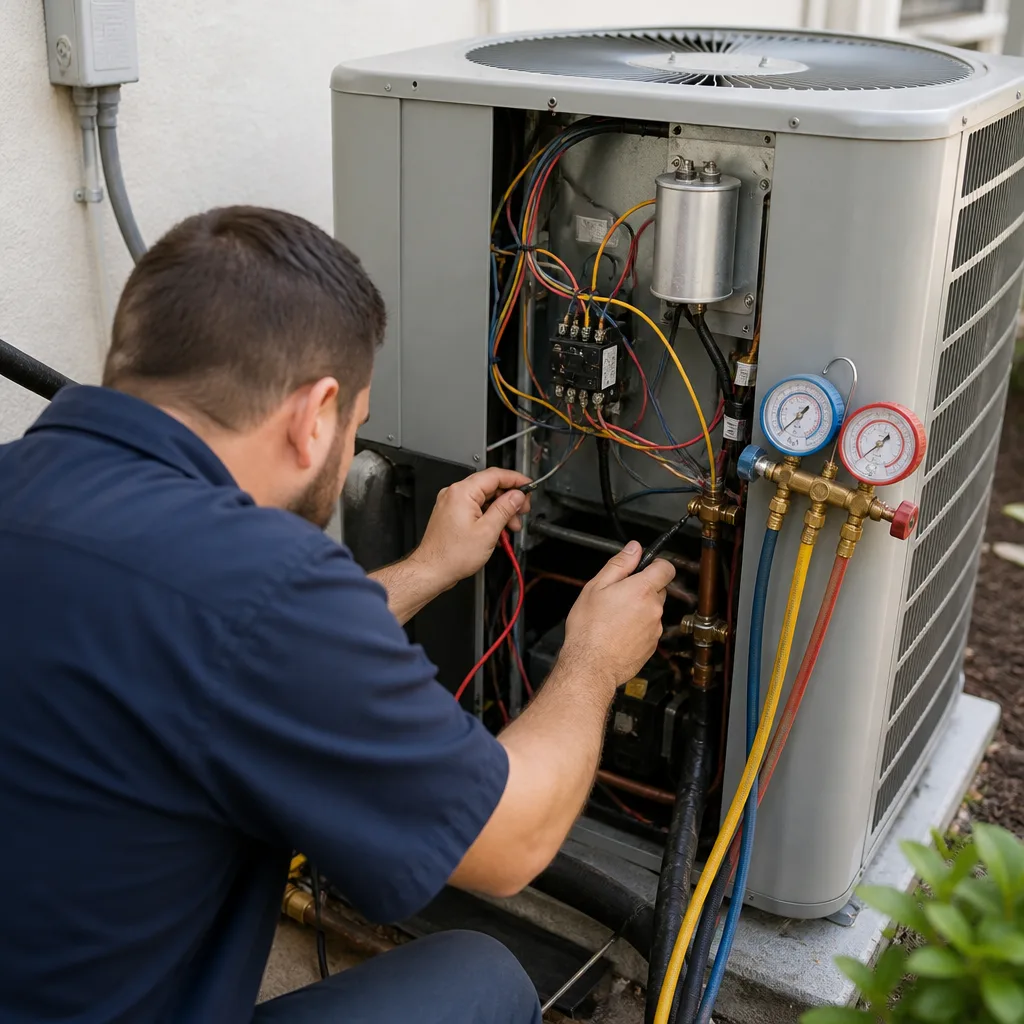
Third, before-and-after photos. We take pictures of what we found, what we did, and what the finished work looks like. You’ll see the condition of your equipment with your own eyes, even if you never step foot in the attic or wander out to the condenser pad.
This is what The Relay Standard means: transparency as a promise, not a sales pitch. You can read more about our approach on the Halden Heating and Air Tampa home page.
Common Mistakes to Avoid
- Skipping the Manual J load calculation. Any contractor who sizes your new AC based on square footage alone is guessing. In Tampa’s humidity, an oversized unit will short-cycle and leave you with a mold-friendly 60% indoor humidity level.
- Waiting until August to schedule maintenance. The peak season markup for a Tampa AC repair in July or August can be 20-30% higher than the same service in March. That’s the cost of waiting until the system actually fails.
- Ignoring ductwork. Homes in Tampa built before 2000 often have leaky, undersized, or mold-contaminated ducts. Replacing the AC unit without addressing the ducts is like buying new tires for a car with a bent frame. Have the ducts inspected before you spend money on new equipment.
- Setting the thermostat too low. Every degree below 78°F adds about 8-10% to your cooling bill. More importantly, setting the thermostat to 68°F on a 95°F day can freeze the evaporator coil if the system is even slightly low on refrigerant. Then you’re calling for an emergency repair that could have been avoided.
- Falling for the “bigger is better” pitch. Contractors sometimes oversize units because they make more money on larger equipment. An oversized unit in Tampa means short cycles, poor dehumidification, and a shortened lifespan. The correct size is the one that matches the Manual J calculation, not the one that’s on sale.
- Deferring a known refrigerant leak. A system that needs a refrigerant recharge every year has a leak, and the leak will only get worse. Running the system low on refrigerant damages the compressor, turning a $400 repair into a $5,000 replacement. Fix the leak or replace the system; don’t keep topping it off.
- Choosing a contractor based on price alone. The cheapest bid usually means a skipped Manual J, the cheapest equipment, and no written guarantee. In Tampa’s climate, that’s a false economy that will cost you thousands over the life of the system.
When to Call a Professional
Some HVAC issues are safe to handle yourself-changing a filter, clearing leaves away from the condenser, verifying the thermostat has fresh batteries-but for bigger questions, read our DIY vs Professional HVAC: The Tampa Homeowner’s Decision Guide. Anything involving refrigerant, electrical components, or gas lines should be handled by a licensed professional. If you hear grinding, buzzing, or squealing from the unit, if you smell burning or musty odors from the vents, if ice forms on the indoor or outdoor coils, or if the system runs constantly without cooling, shut it off and call. These are signs of component failure that will only worsen with continued operation. Halden Heating and Air Tampa offers free estimates in Tampa. Call (850) 608-1463, and we’ll give you a written price before any work starts.
Frequently Asked Questions
In Tampa, a well-maintained AC unit typically lasts 10 to 12 years, compared to the national average of 15. The combination of 2,800 annual cooling hours, high humidity, and salt air exposure near the bay accelerates wear on compressors, coils, and electrical connections. Regular maintenance and proper installation can extend that to 15 years, but 10 to 12 is the honest local expectation.
A new central AC system in Tampa typically costs between $6,500 and $14,000 installed, depending on system size, efficiency rating, and whether you’re replacing just the AC or adding a heat pump or variable-speed unit. For detailed pricing tiers, see our HVAC Cost Breakdown: The Tampa Homeowner’s Reference for 2026. A basic 3-ton single-stage system with a 14 SEER rating might land around $6,500 to $8,000. A premium variable-speed system from Carrier, Trane, or American Standard with a 20-plus SEER rating will run $10,000 to $14,000. Ductwork replacement adds $4,000 to $8,000 if needed. Get a written quote before agreeing to anything.
Twice a year, minimum. Schedule a cooling-system tune-up in February or early March, before the cooling season kicks in, and a heating-system check in November or December. In Tampa’s climate, the cooling system does the heavy lifting, so the spring maintenance visit is the more critical one.
The most common causes are a low refrigerant charge from a slow leak, a failed capacitor preventing the compressor from starting, a clogged evaporator coil, or a dirty outdoor condenser restricting airflow. All of these require professional diagnosis. Continuing to run a system that isn’t cooling can cause compressor failure, which turns a small repair into a full system replacement.
As of 2023, the minimum SEER2 rating for new equipment sold in Florida is 15. For Tampa’s climate, we typically recommend 16 to 20 SEER2 for most homes. Above 20, the return on investment gets harder to justify unless you’re pairing the system with solar or you have an unusually large home with very high cooling loads.
Most Tampa homes don’t need a traditional gas furnace. A heat pump handles both cooling and the mild heating Tampa needs, and modern inverter-driven heat pumps are dramatically more efficient than older models. The exception is if you already have a working gas furnace; in that case, you can often replace just the AC condenser and coil and keep the furnace for the handful of cold nights each year.
The Bottom Line
HVAC in Tampa isn’t a generic buy; it’s a climate-specific decision. The 2,800 annual cooling hours, the 74% average humidity, and the salt air near the bay all change the math on sizing, lifespan, maintenance, and pricing. Proper Manual J sizing that accounts for humidity is the single most important factor in whether your system keeps you comfortable and mold-free. Expect 10 to 12 years of service from a well-maintained unit, schedule maintenance in February and November, and demand written pricing and a written guarantee on every job. For a free estimate on any HVAC service in Tampa, call Halden Heating and Air Tampa at (850) 608-1463.
Written by Andre Fuller, Owner at Halden Heating and Air Tampa, serving Tampa since 2004.
See the difference
 Before
 After
After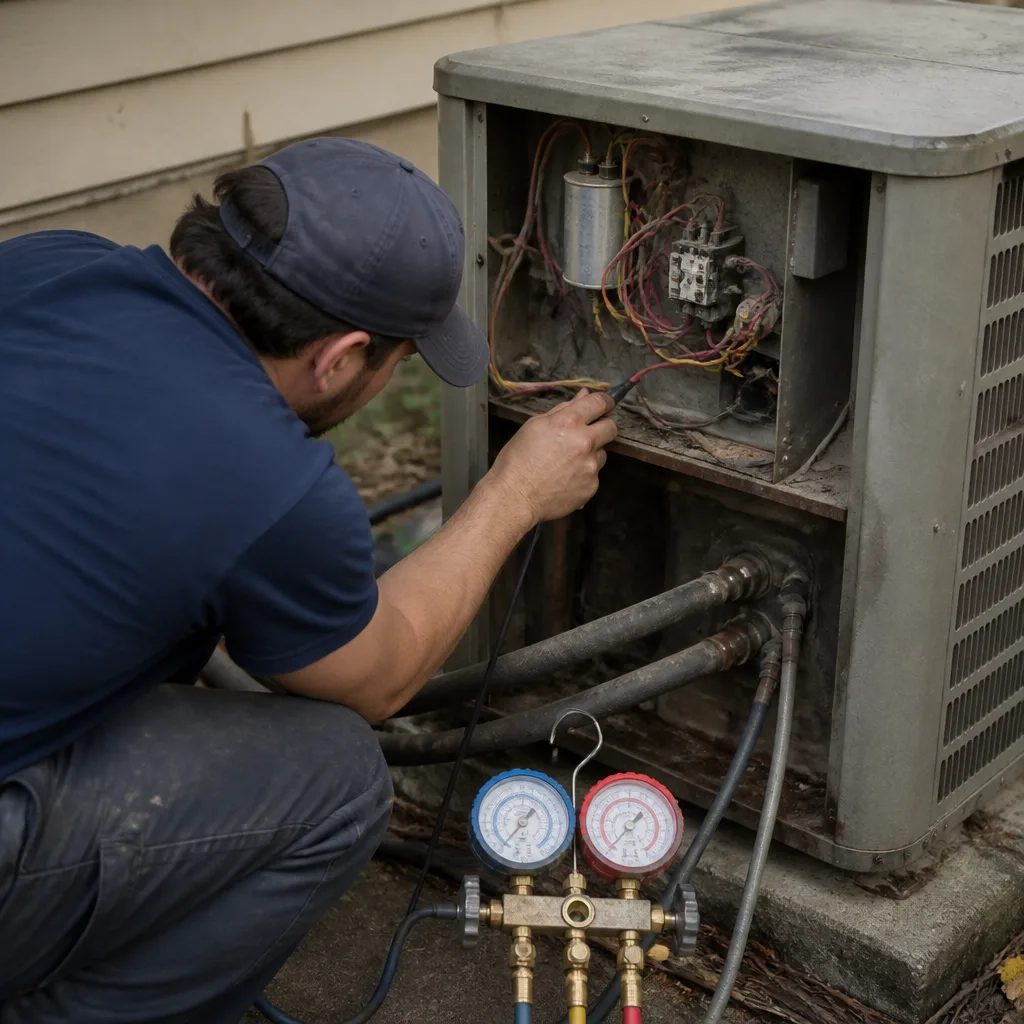 Before
 After
After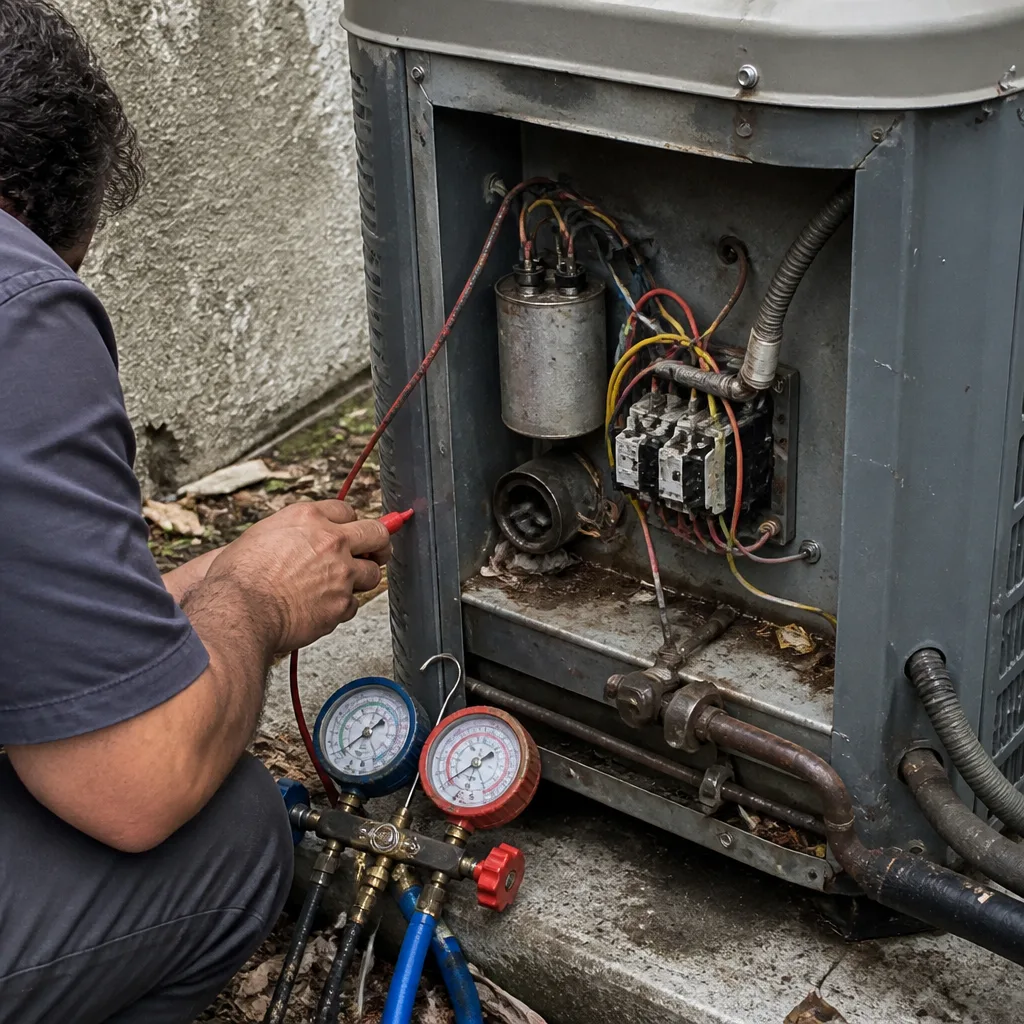 Before
 After
After