
 Furnace & heating
 AC repair
 Heat pumps
 Ductless mini splits
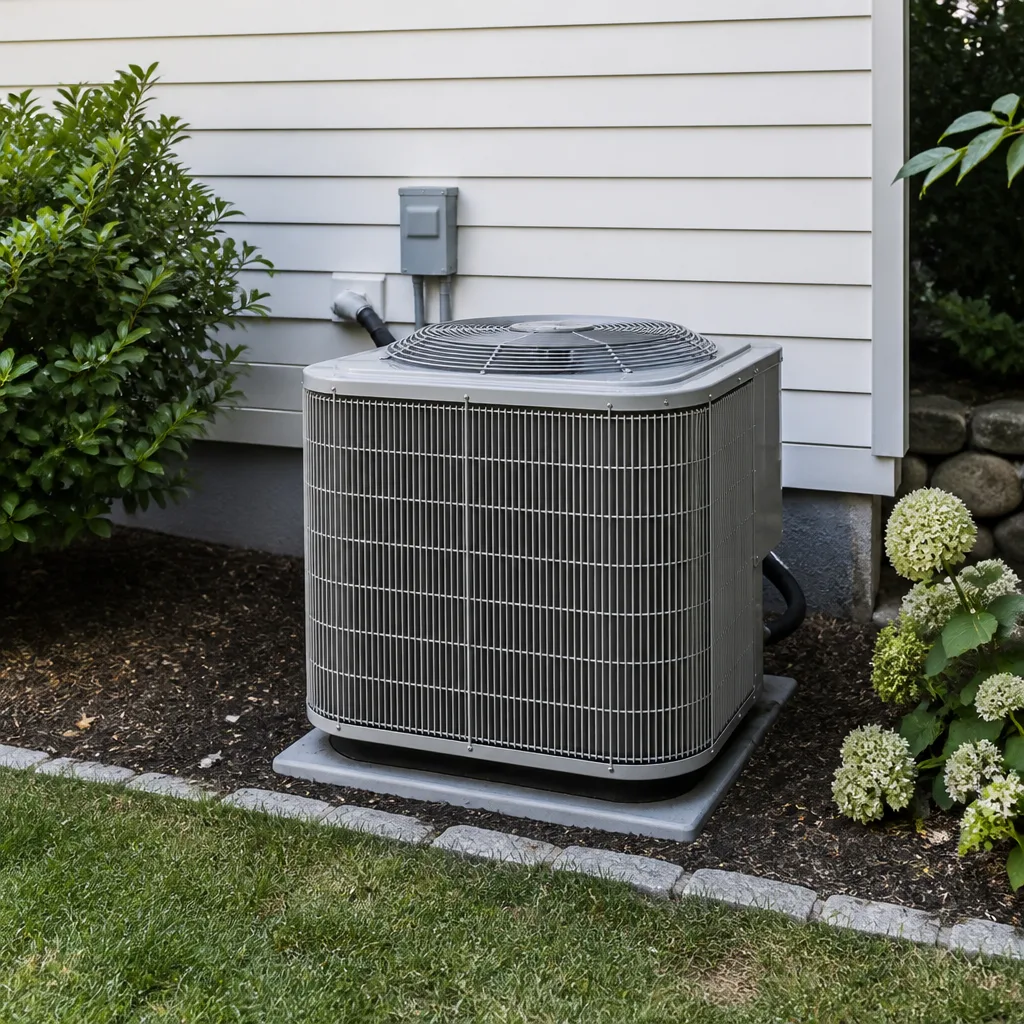 Carrier
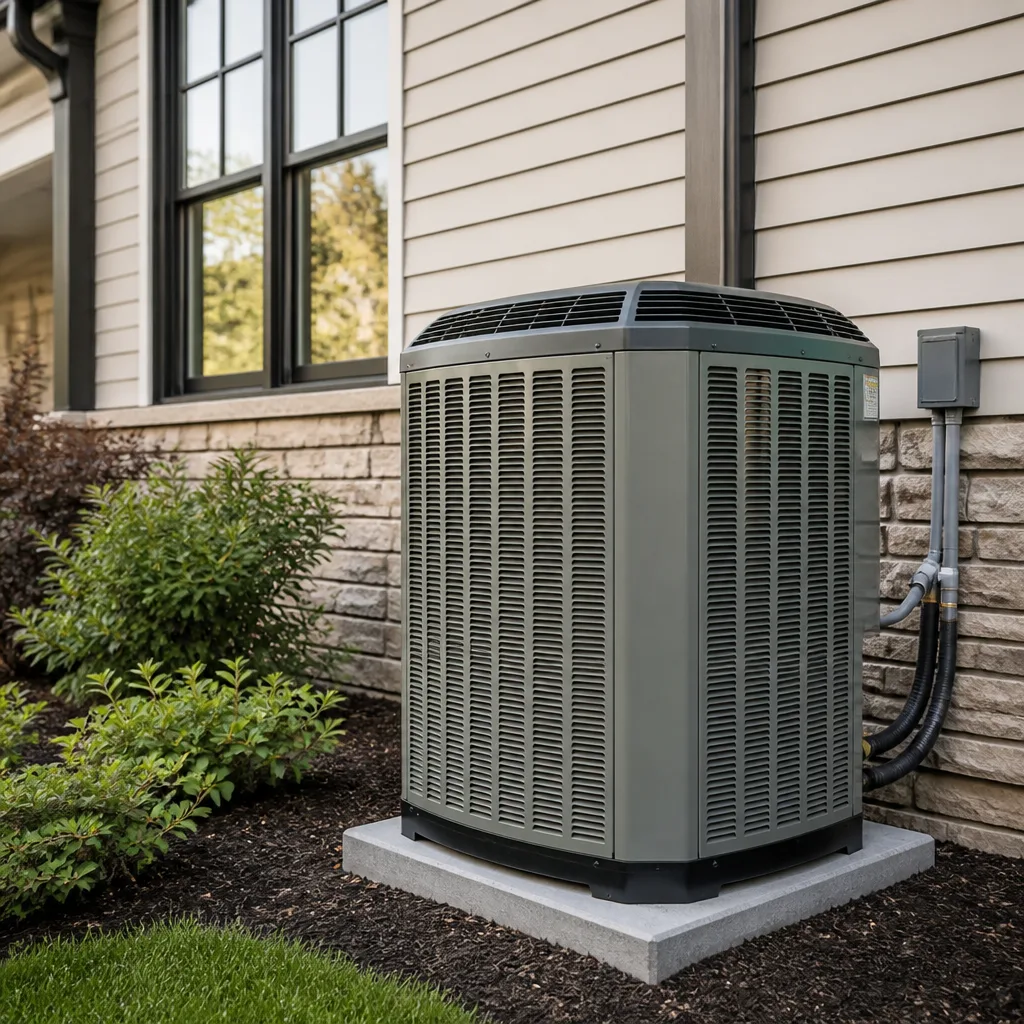 Trane
Trane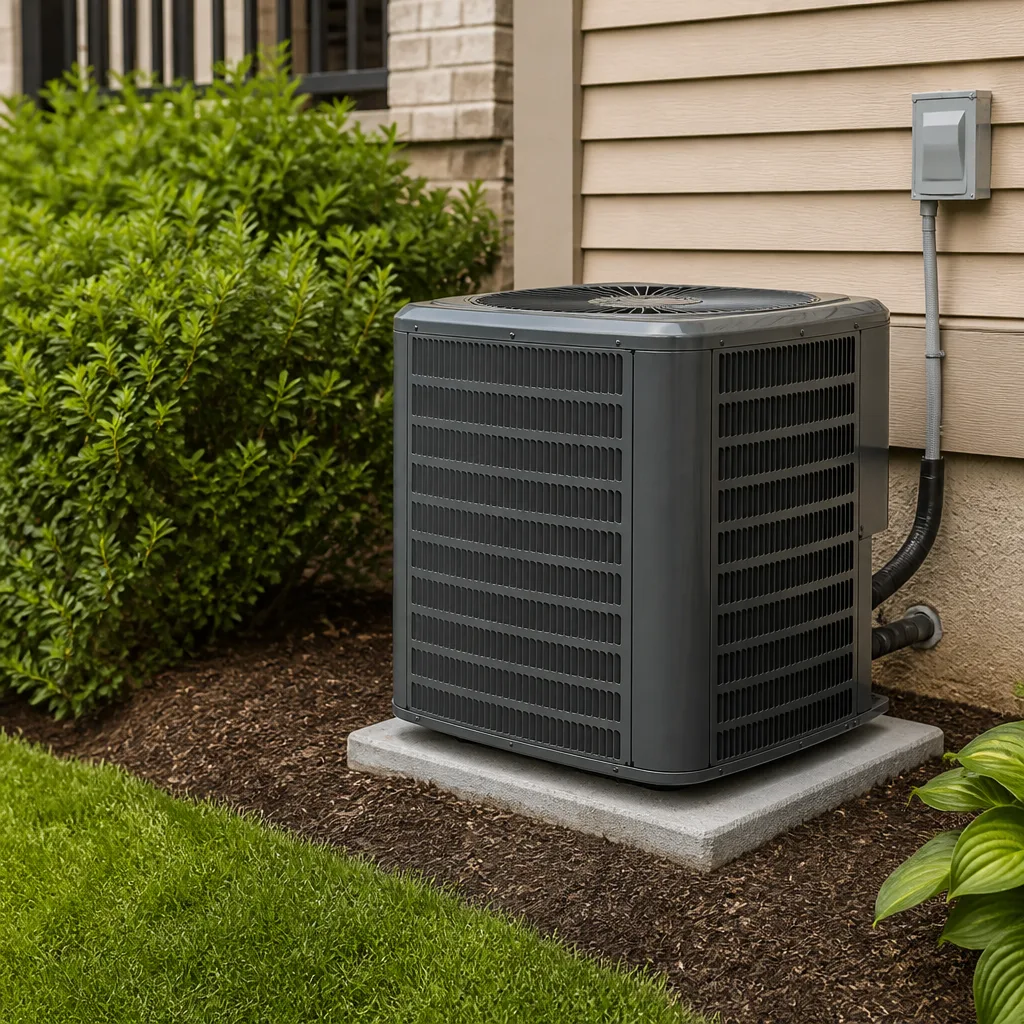 Goodman
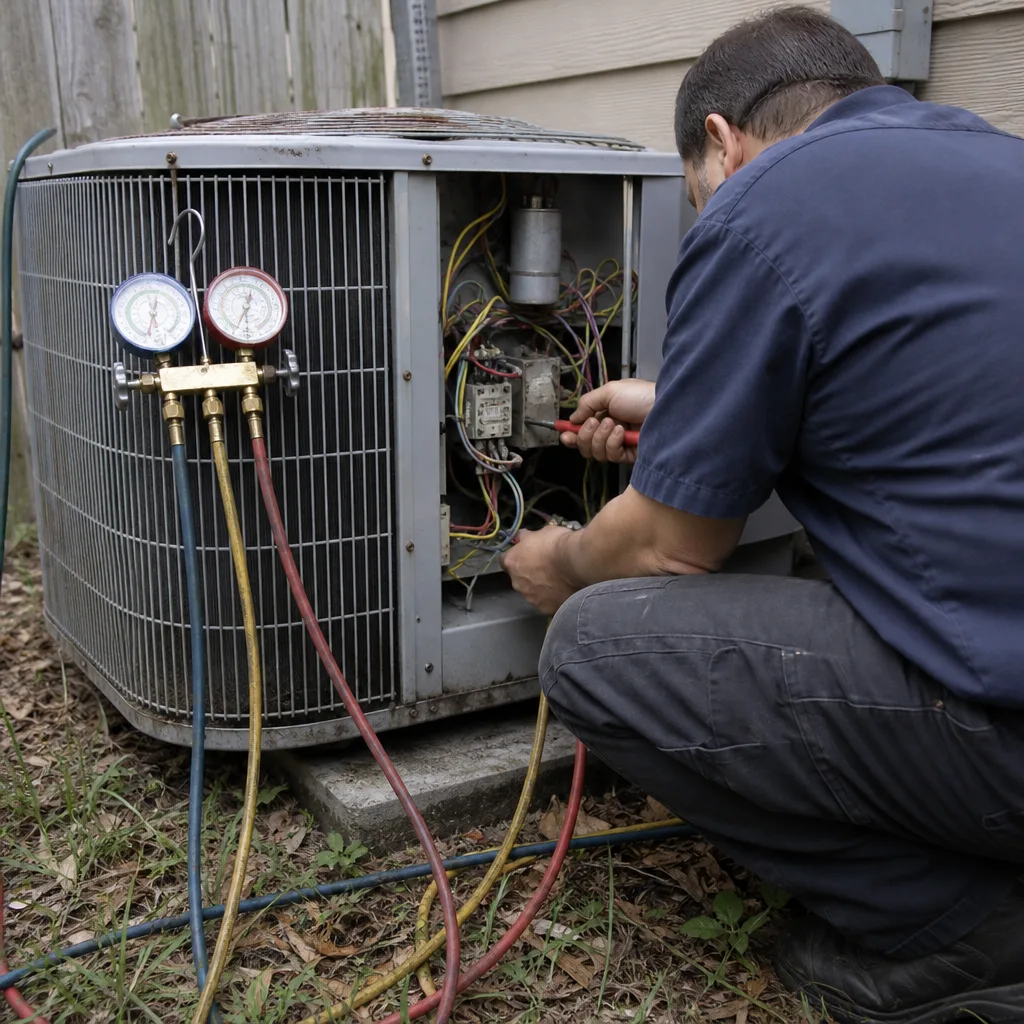
Seasonal tune-up and full diagnostic on your Carrier, Trane, or Goodman system - readings shown to you before any repair is proposed
Diagnosis first, numbers second - you approve the repair price before a single part goes in.
Get your free estimateTrane AC Installation in Tampa: What to Know First
A full Trane AC installation in Tampa typically runs between $3,500 and $7,500 depending on system size, efficiency rating, and whether your ductwork needs modification. Most Trane installs take one full day, and we’ll give you a written price before any equipment is ordered so you can compare your options without pressure.
This page is for Tampa homeowners who either own a Trane system that’s reached the end of its life or have decided Trane is the brand they want for their next install. You want straight answers on cost, what actually happens during an install, and how to avoid the mistakes that shorten a new AC’s life in Florida’s heat and humidity. That’s exactly what we cover here. Call (850) 608-1463 when you’re ready for a free estimate.
How Trane Products Fail – and How We Fix Them
Trane builds solid equipment, but after two decades of installing and servicing them across Tampa, we know where they wear out and what it takes to get them running right. Here are the failure patterns we see most often on Trane systems in this market:
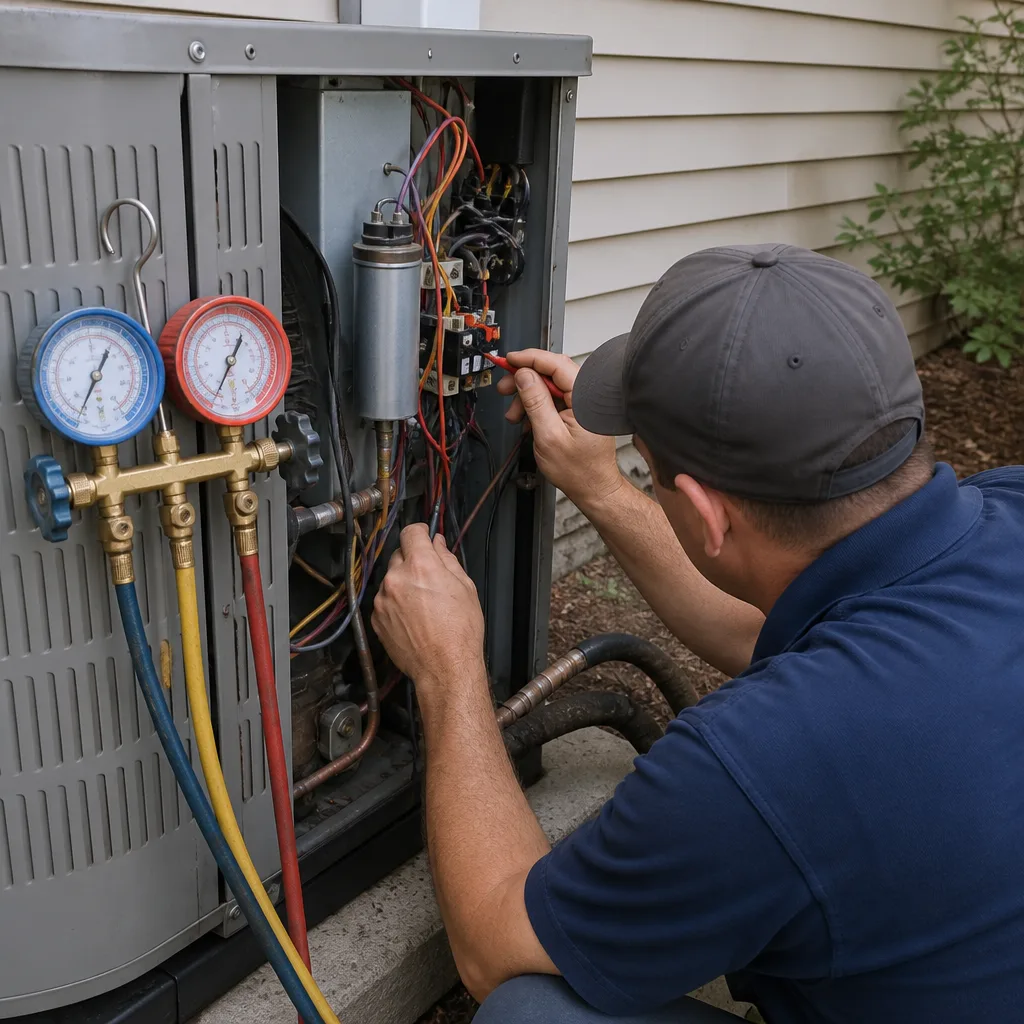
- XR and XL series condenser fan motor failures. Trane’s XR13, XR14, XL14i, and XL16i outdoor units use a condenser fan motor that’s exposed to Tampa’s salt-heavy air, especially in waterfront neighborhoods like Davis Islands, Bayshore, and Channelside. The motor bearings corrode, the fan seizes, and the compressor overheats and trips its internal thermal overload. We replace the motor and capacitor as a set rather than one part at a time, because a weak capacitor is usually what killed the motor in the first place. Doing both at once prevents a callback.
- Run capacitor degradation on XV and XL variable-speed units. Trane’s variable-speed systems (XV18, XV20i, and the newer XV17) rely on inverter boards and capacitors that are sensitive to Tampa’s voltage sags during afternoon thunderstorms. A failing capacitor causes the compressor to draw high amps and eventually shut down on a fault code. We test capacitors under load, not just with a multimeter, because a capacitor can read within spec on the bench and still fail when the system is running in 95-degree heat.
- Thermostatic expansion valve (TXV) sticking on Trane coils. This is a common issue on Trane systems five to eight years old where the TXV (the valve that meters how much refrigerant enters the indoor coil) gets gummed up with compressor oil breakdown products. The symptom is odd: pressures look normal on the gauges, but the system isn’t cooling. We confirm it with a superheat reading and replace the TXV rather than trying to clean it. A cleaned TXV fails again within months; a new one lasts years.
- Condensate drain clogs combined with Tampa’s summertime humidity. Trane air handlers have a condensate tray with a shallow pitch. In Tampa’s wet season, when your system runs 18-plus hours a day, the drain line clogs with algae and the tray overflows into the emergency pan. If the float switch fails too, water ends up in your ceiling. We clear the drain, inspect the float switch, and recommend a drain pan treatment that slows regrowth between maintenance visits.
- Refrigerant leaks at the evaporator coil on 10-plus-year-old systems. Trane coils from the late 2000s and early 2010s are prone to formicary corrosion, which is a fancy way of saying the copper develops microscopic pinholes from the acids in household air. If your system is low on refrigerant more than once in two years, you have a leak, and on a system that age, patching a coil usually costs more than the compressor it’s protecting is worth. That’s when we’ll have the repair-versus-replace conversation and show you real numbers for both paths.
These are the kind of details you won’t get from a spec sheet. They come from taking apart failed equipment in Tampa attics and back patios for years and keeping notes on what actually breaks.
Styles & brands we work with
Our Trane AC Installation Process
- 1
You call or book online. You’ll get a live person on the phone and a visit window you can actually plan around, not a four-hour guess. We’ll ask what your system is doing, the age of the unit, and whether you have a Trane now.
- 2
We do a load calculation, not a square-footage guess. This means we measure the home’s glass, ceiling height, insulation, and duct layout to size the system properly. Skip this step and you get an AC that short-cycles, doesn’t dehumidify, and runs up your bill.
- 3
You get a written price. No verbal ballpark and no surprise at the door. The quote shows the equipment model numbers, the install scope, and the total price. You approve it before any work starts.
- 4
We install the system. That includes the outdoor unit, the indoor coil or air handler, the line set if needed, the condensate drain, and the thermostat. We pull permits when required and handle the registration paperwork for Trane’s base warranty.
- 5
We test and verify. After the install, we check refrigerant charge, airflow, temperature drop across the coil, and drainage. You’ll see before-and-after photos of the work we did.
- 6
We hand you the written guarantee. Every install carries our 365-Day Done Right Promise. If something isn’t right within the first year, we come back and fix it. No arguing and no charge.
See the difference
 Before
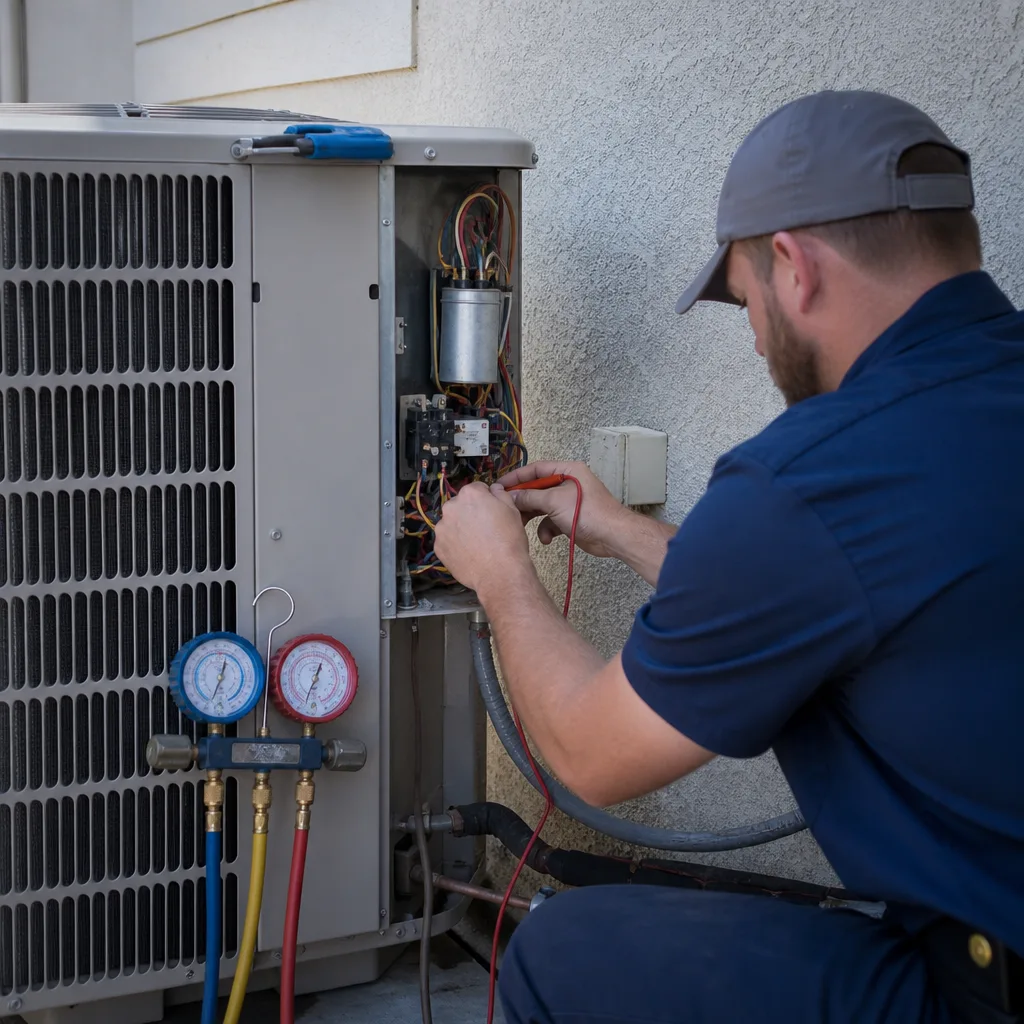 After
After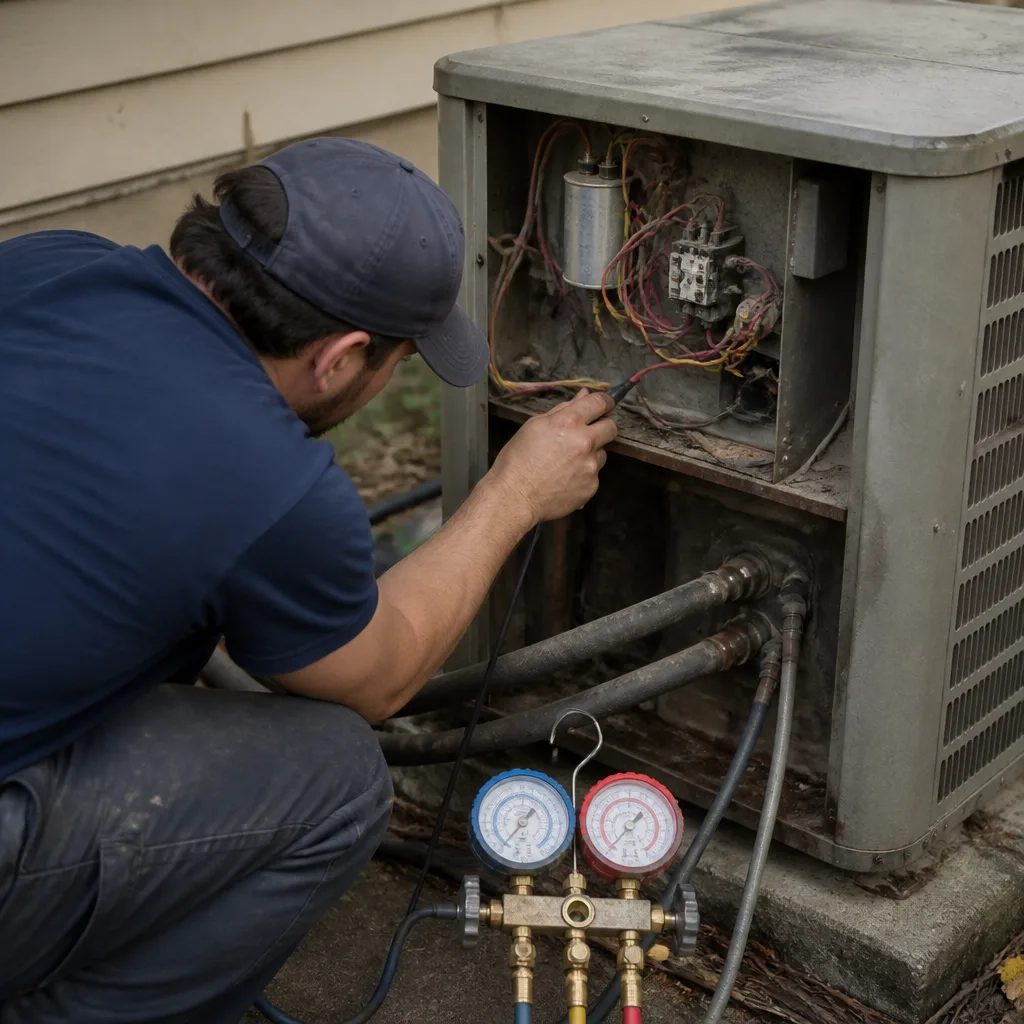 Before
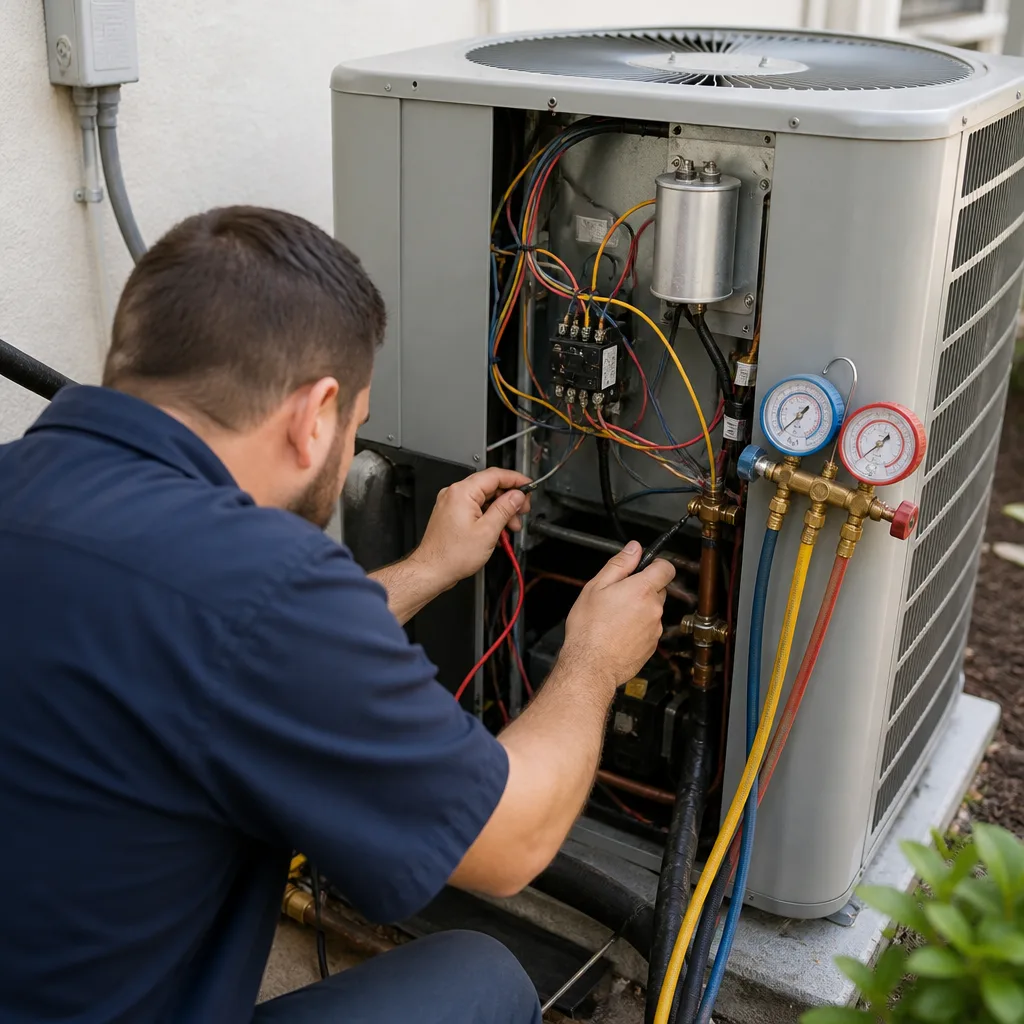 After
After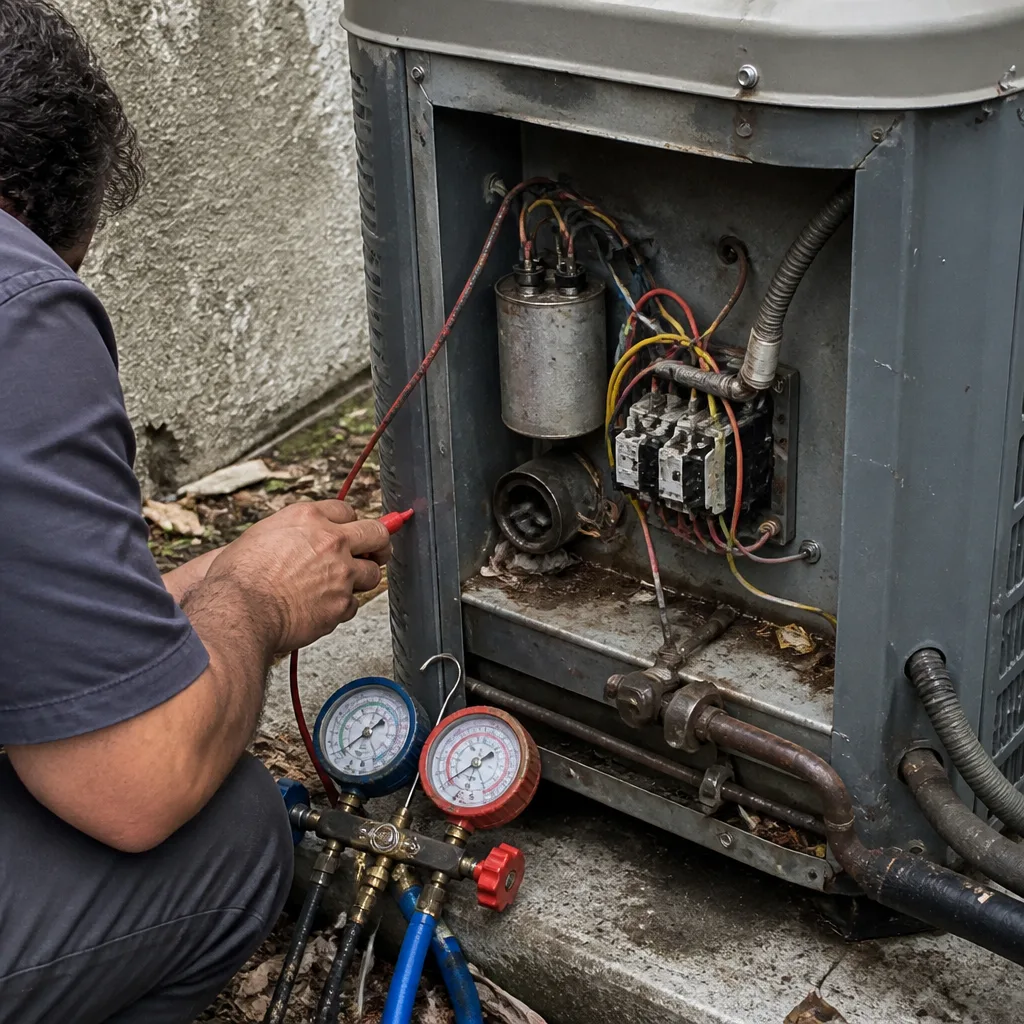 Before
 After
AfterWhat Trane AC Installation Costs in Tampa
You’ll pay more for a Trane than for a budget brand, but the price spread is smaller than most homeowners expect. Here’s how the numbers break down in the Tampa market:
- Trane XR14 or XR15 single-stage install: $3,500 to $4,800 for a 2-to-3-ton system replacing an existing unit with compatible ductwork. This is the most common install we do in Tampa.
- Trane XL16i or XL17 two-stage install: $4,500 to $6,200. The two-stage compressor runs at low speed most of the time, which is better for humidity control in Tampa’s shoulder seasons.
- Trane XV18 or XV20i variable-speed install: $6,000 to $7,500. Variable-speed systems use the least energy and keep the tightest temperature and humidity control, which matters in a place where the AC runs ten months a year.
What moves the price upstream: ductwork modifications, a new line set, raising the outdoor unit on a stand in flood-prone lots, and electrical panel work. We’ll tell you exactly what you need and what it costs before we schedule anything. Estimates are free, so call (850) 608-1463 and we’ll get you a number in writing.
Why Tampa Homeowners Call Halden Heating and Air Tampa for Trane Work
We’re an independent Trane service provider, not a Trane dealer, which means we recommend what’s right for your house rather than pushing one brand’s full lineup. That said, we service Trane units daily, and we carry the parts that commonly fail on them so we’re not waiting on a distributor when your AC is down in August.
Andre Fuller started this company with a rule that hasn’t changed: get the price in writing before anyone touches a unit. Every job we do comes with that written price, a written guarantee, and the 365-Day Done Right Promise. If a repair fails within the guarantee window, we come back at no charge. No arguing required. We also service Carrier and Lennox systems, so if you’re comparing brands or have a multi-brand setup, one call covers it. Book online, get a live arrival time, and track your tech to the door. That’s the Relay Standard we’re held to on every job.
FAQs
No, and we’ll be straight with you about why. A proper install requires a load calculation, equipment ordering, and permitting, which takes a few days to a week in most cases. What we can do is get you on the schedule immediately and give you a written price within 24 hours of the site visit. Call (850) 608-1463 to start.
Yes. We register your new equipment with Trane so the factory warranty is active from day one. If a part fails under warranty, we handle the claim and install the replacement part. Labor on warranty repairs is separate from the parts warranty, and we’ll tell you what that costs before any work happens.
The rough rule we use: multiply the repair cost by the system’s age. If the repair is $800 and the system is 12 years old, that’s $9,600 toward a system you’ll likely replace within two years anyway. At that point, replacement starts to make more sense than patching an old unit. We’ll give you real numbers for both options and let you decide.
A standard replacement of the outdoor unit and indoor coil takes one full day, assuming the ductwork and electrical are in good shape. Variable-speed systems with new thermostats and line sets can run into a second day. We’ll tell you the expected timeline before the job starts and keep you posted with live updates.
Common parts like capacitors, contactors, and condenser fan motors are stocked locally and usually available same-day. Specialty components for variable-speed systems, like inverter boards, may take two to five days from Trane’s distribution center. We’ll always tell you the parts timeline before we quote a job.
Written by Andre Fuller, Owner, Halden Heating and Air Tampa at Halden Heating and Air Tampa, serving Tampa and nearby areas.