
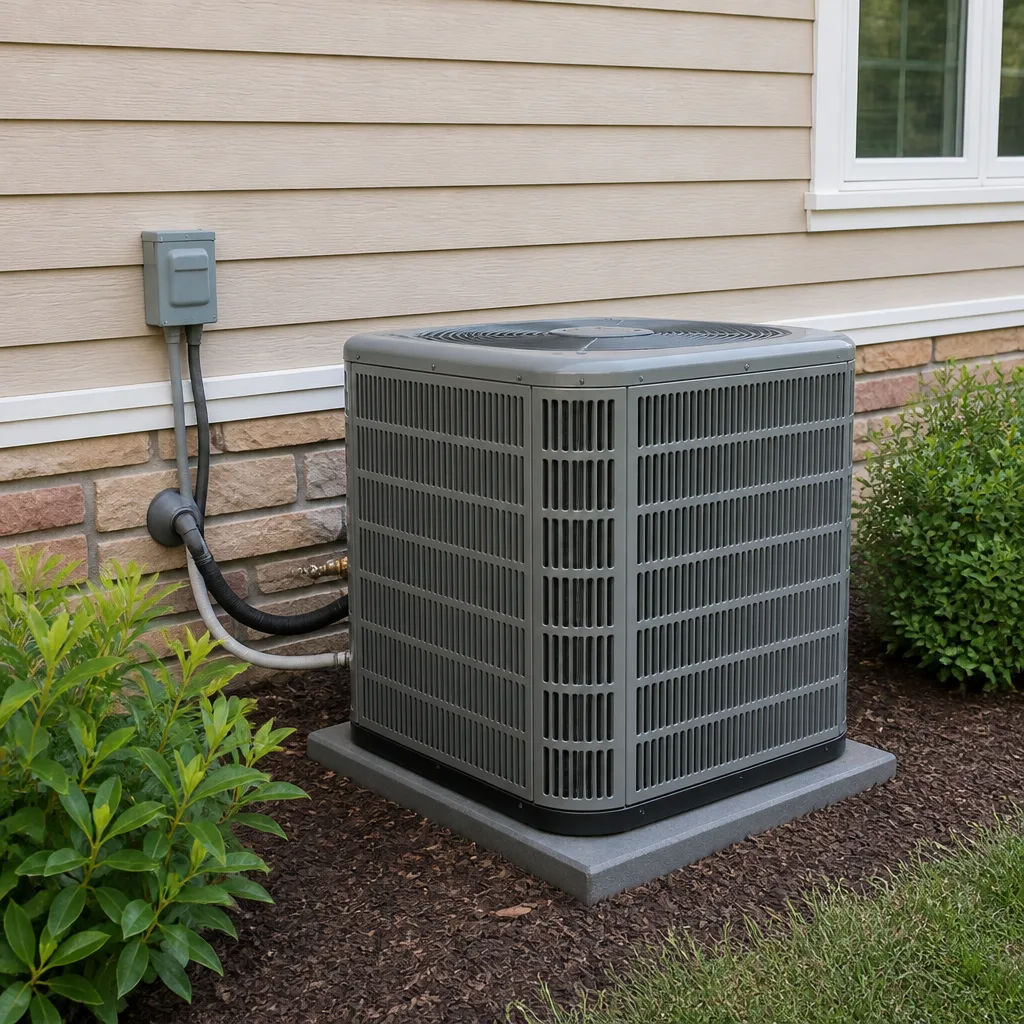
 AC repair
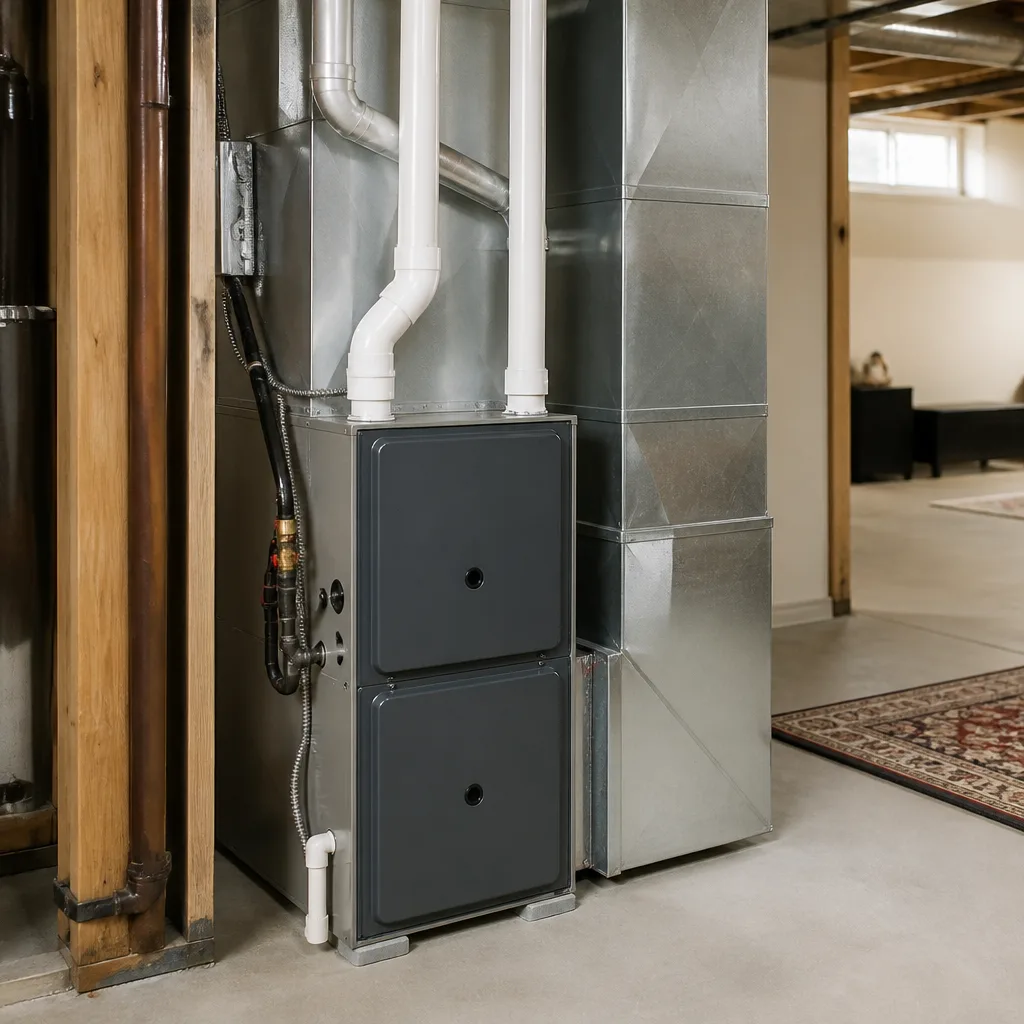 Furnace & heating
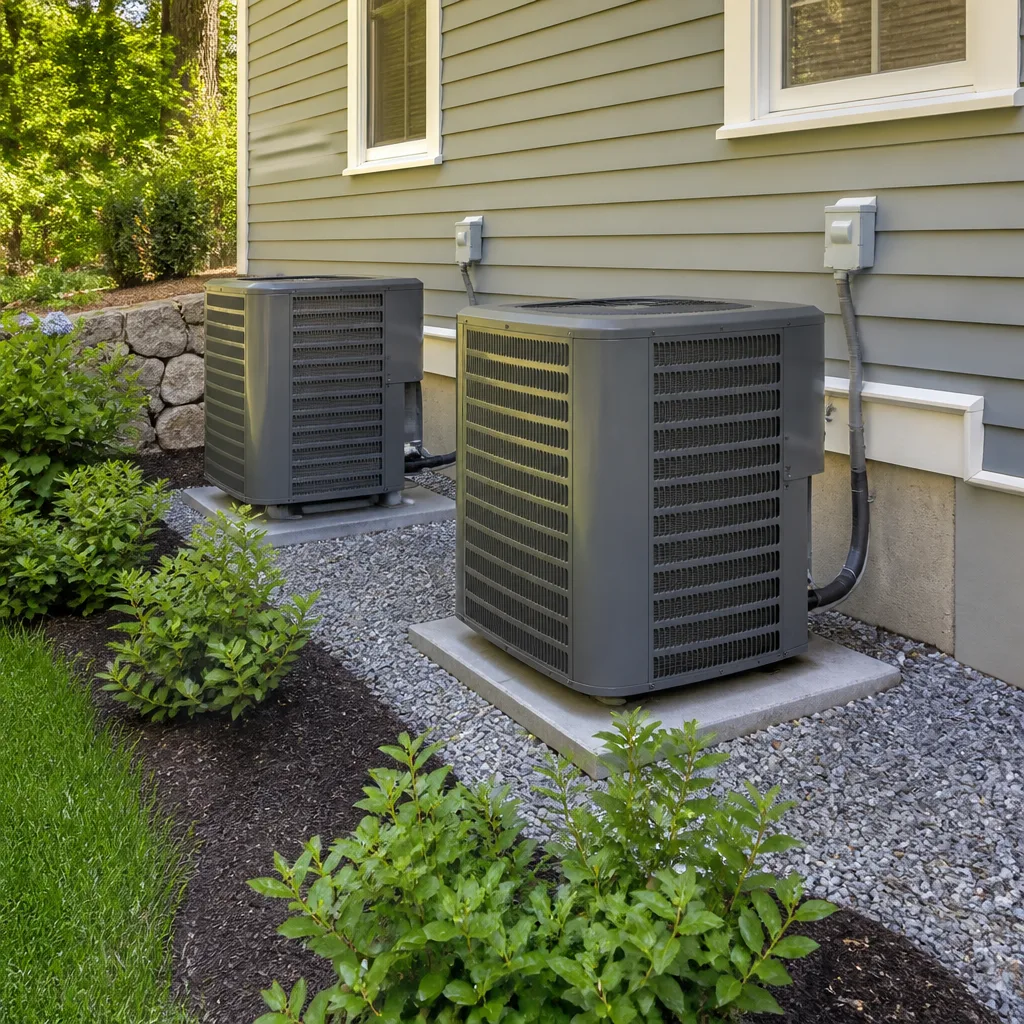 Heat pumps
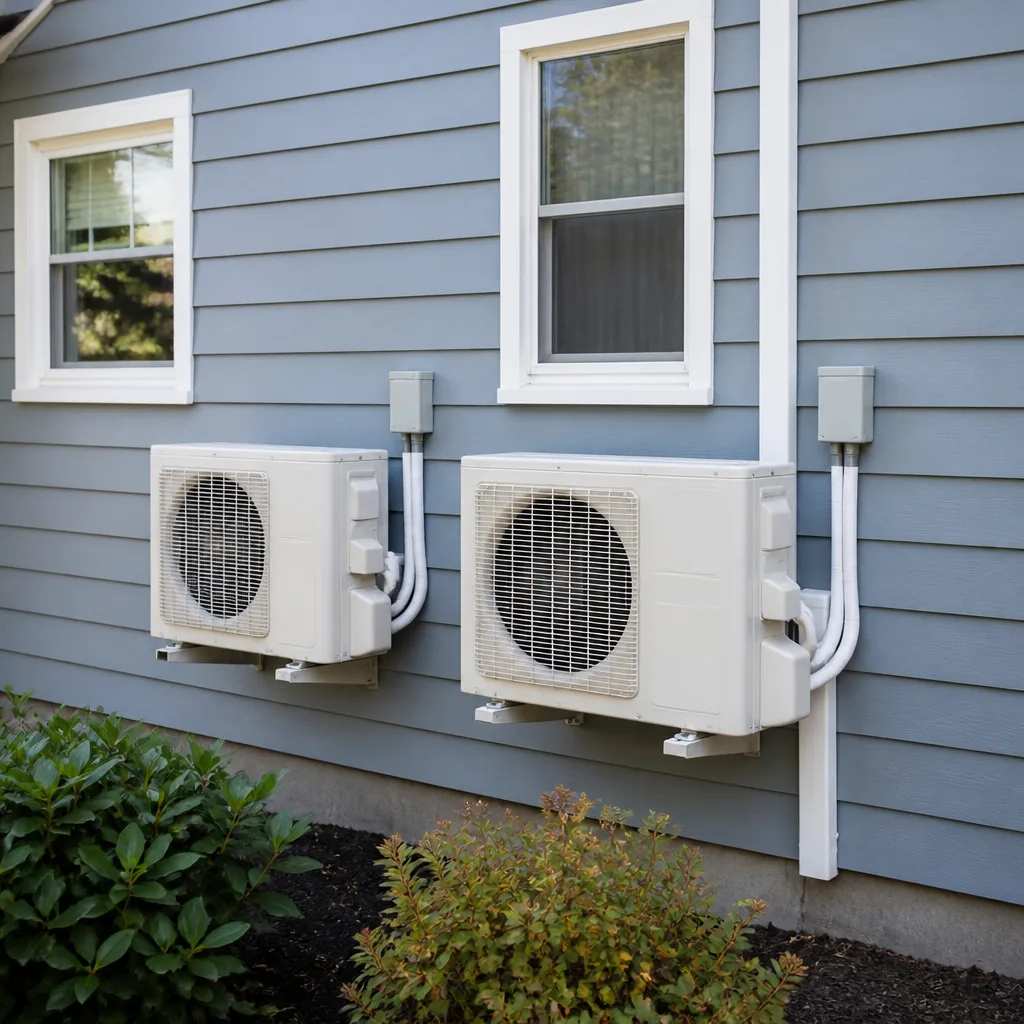 Ductless mini splits
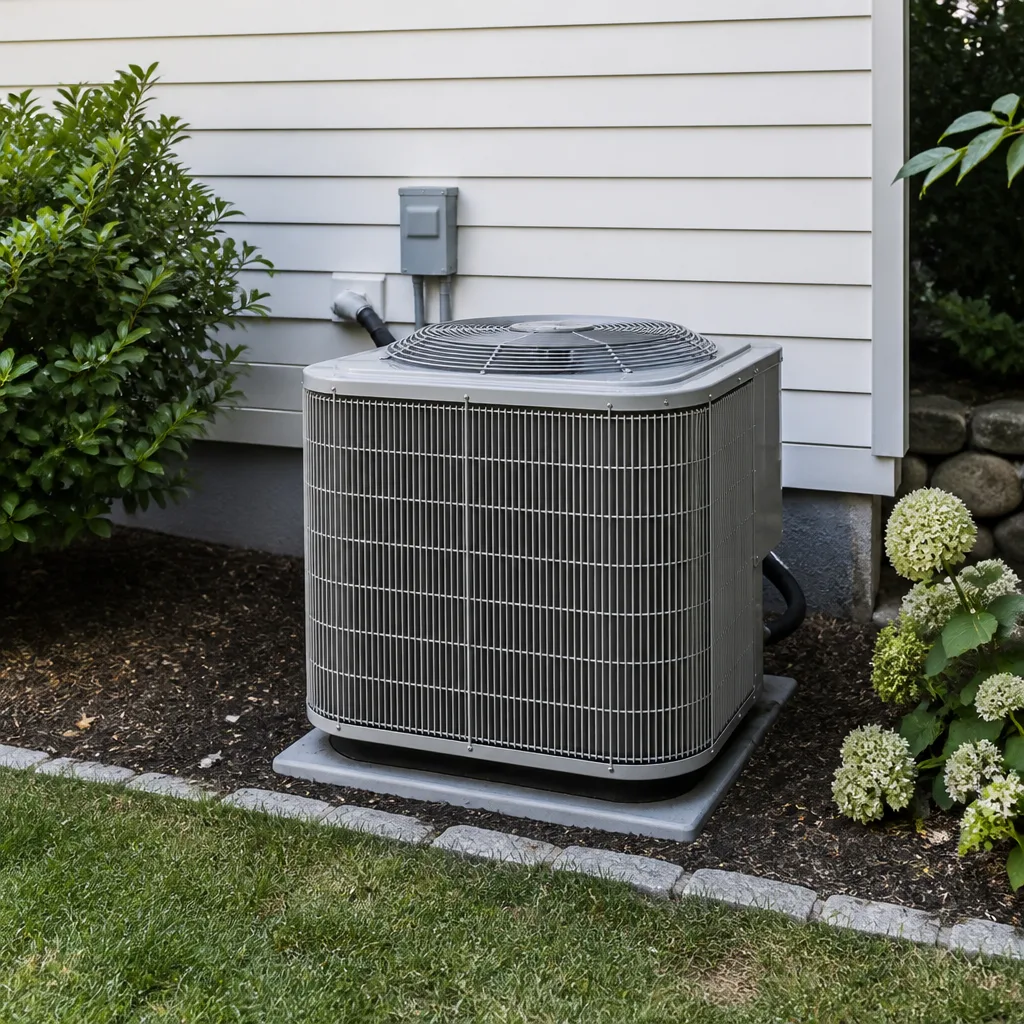 Carrier
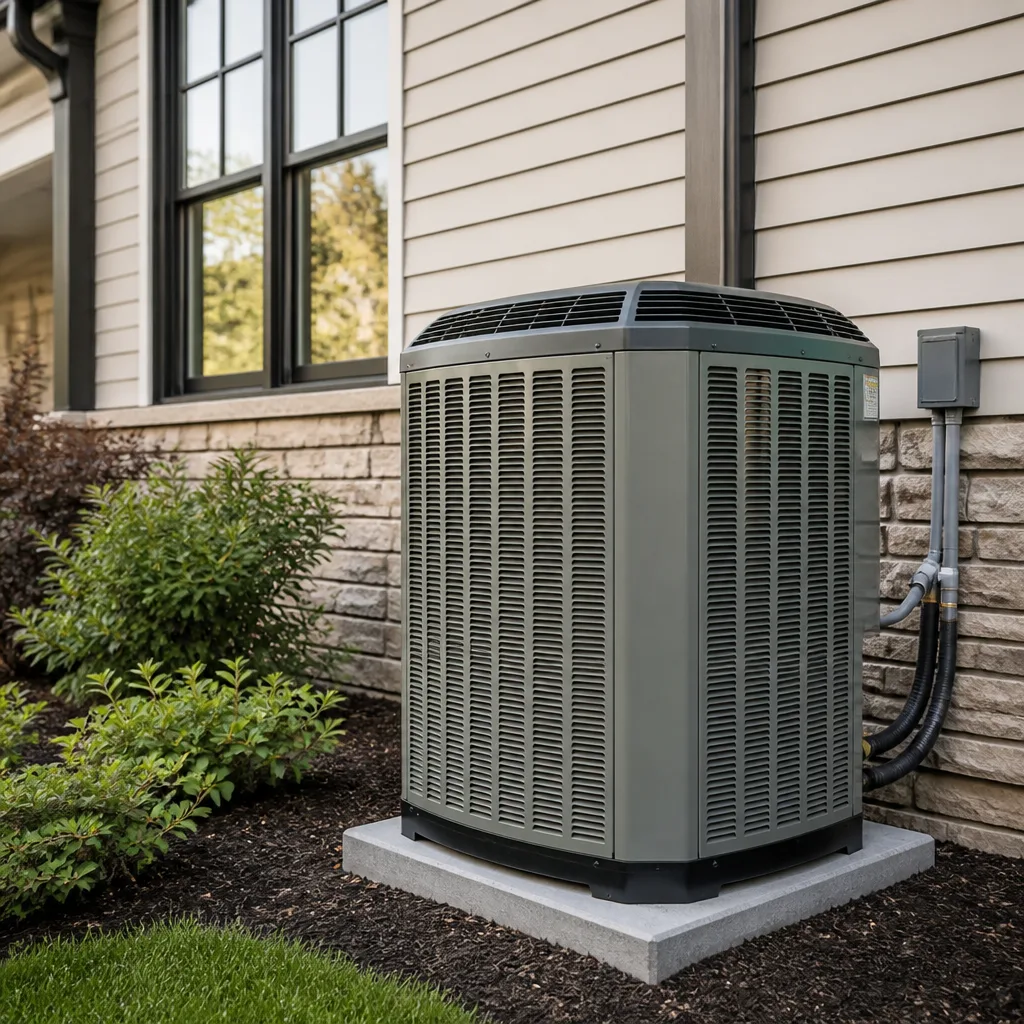 Trane
Trane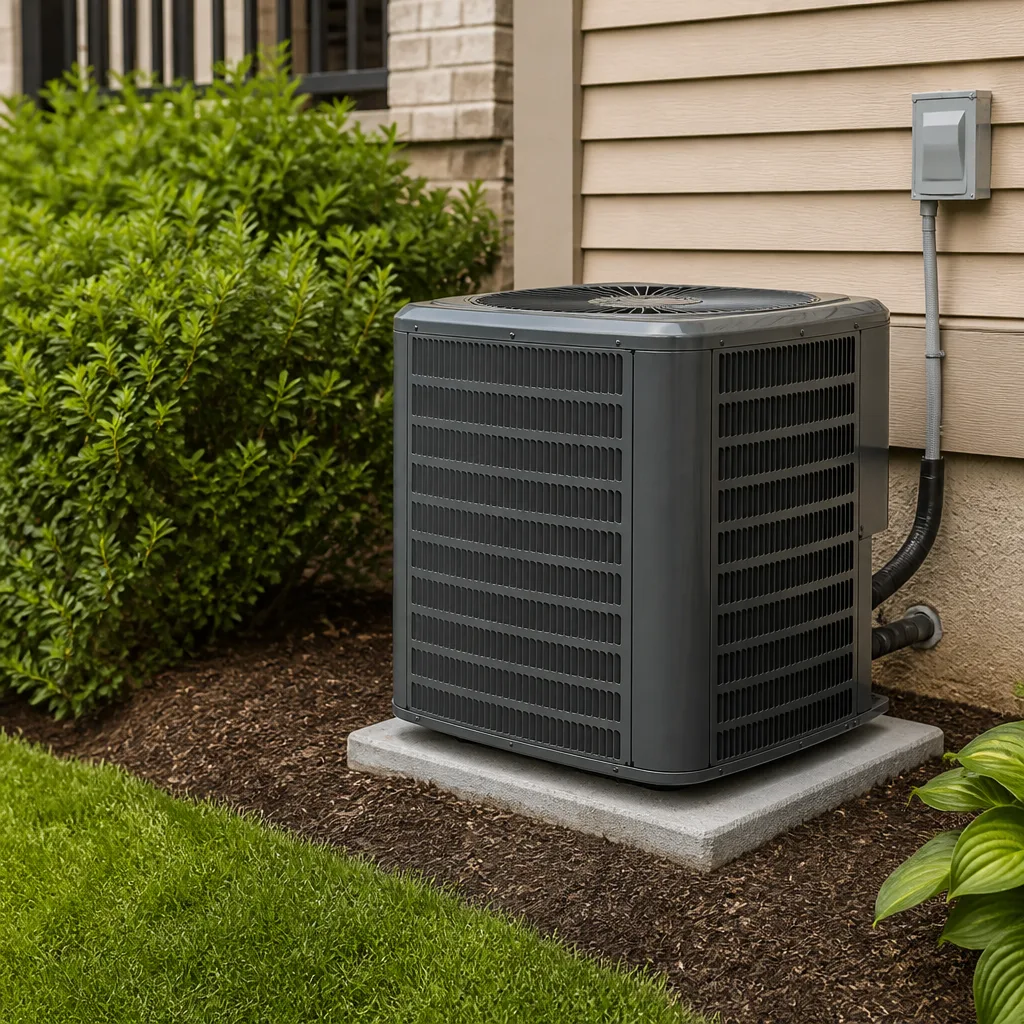 Goodman
Seasonal tune-up and full diagnostic on your Carrier, Trane, or Goodman system - readings shown to you before any repair is proposed
Diagnosis first, numbers second - you approve the repair price before a single part goes in.
Get your free estimateBryant Ductwork Repair: The Tampa Owner’s Guide
Bryant ductwork repair in Tampa typically runs $150 to $650 installed, depending on how much duct has failed, whether it’s accessible or in a hot attic, and whether the duct is crushed, disconnected, or torn clean through. Most jobs we see are done same day because we keep common Bryant-compatible duct fittings, collars, and flex duct sections on the truck. The way Tampa homeowners usually discover duct problems is not dramatic: one room never cools right, the electric bill floats $40 higher than last summer, and there’s a faint dusty smell when the air kicks on.
What’s happening is simple. Your Bryant system is producing conditioned air just fine, but that air is leaking into your attic or chase before it reaches the living room. The blower ramps up to compensate, the system runs longer, and you’re cooling fiberglass insulation instead of your bedroom. Andre Fuller and our crew at Halden Heating and Air Tampa have opened enough ductwork in this city to know that most duct failures are quiet and slow until the August humidity makes them obvious. Get the price in writing first, then we get to work.
Key takeaways: duct repair is not a replace-the-whole-system situation in most homes. We can isolate the failed section, rebuild or reconnect it, and test airflow before we leave. You get a written price before any work starts, a written guarantee on the repair, and a free return visit if it fails within the coverage window.
Which Bryant Models This Applies To
Ductwork is not model-specific the way a control board or blower motor is, but Bryant systems do have airflow characteristics worth knowing before anyone cuts into your duct. Bryant’s Evolution series, Preferred series, and Legacy line all run on ECM blowers in most recent installs, and ECM motors push air differently than the old PSC blowers. They ramp up against restriction rather than stalling, which means a partially collapsed duct on a Bryant Evolution system can mask itself longer than it would on an older unit. The blower just works harder and quietly pays for the leak on your FPL bill.
If you’re matching duct to your Bryant equipment, the number that matters is on the air handler, not the outdoor condenser. Look for the AHRI certificate or the data plate on the indoor unit: it lists the exact tonnage and the required CFM. That required CFM is what dictates duct diameter. A 3-ton Bryant needs roughly 1,200 CFM, which translates to an 16-inch or 18-inch main trunk depending on length and bends. Undersized duct on any Bryant system will freeze a coil in July and shorten blower life, and in Tampa’s humidity, a frozen coil turns into a wet ceiling fast.
We’re an independent service provider, not affiliated with Bryant, and we also stock parts for Carrier, Trane, and Lennox. For Bryant ductwork specifically, we use OEM collars and dampers where they mate to the equipment, and quality flex duct and sheet-metal transitions for the runs. The honest answer on OEM versus aftermarket for duct: flex duct is flex duct when it’s rated correctly, but the connecting collars and takeoffs are worth buying proper. A cheap takeoff pulls loose in a Tampa attic within two summers.
Styles & brands we work with
Signs Your Bryant Ductwork Repair Is Failing
- One or two rooms never reach the set temperature. A disconnected or crushed run means that room is getting a fraction of the air it should. Your Bryant thermostat may say 74, but the back bedroom sits at 81 all afternoon. The issue is rarely the thermostat; it’s the duct feeding that room.
- A sudden jump in your electric bill with no change in usage. Leaking duct air is conditioned air being thrown away. Your Bryant system runs longer to satisfy the thermostat, and the blower spends more hours spinning. In Tampa, where AC runs nine months a year, a 20% duct leak translates directly into real dollars monthly.
- Dust or a musty smell from the vents right when the system starts. A duct that’s pulled loose in an attic is pulling in whatever is up there: insulation fibers, dust, sometimes warm humid air that smells faintly of old wood. That smell is the first thing a homeowner notices, usually before they feel the temperature problem.
- Whistling or fluttering sounds from a register. Air escaping through a small tear or a loose collar makes a high-pitched sounds at certain blower speeds. If the noise changes or disappears when you close a nearby vent, the duct is involved.
- Vents blowing weak even with a new filter and clean coil. This is the one that frustrates people. They’ve done everything right, and the airflow is still soft. A collapsed flex duct or a dislodged elbow is choking the system. Andre has measured 30% airflow loss on a single crushed return elbow, and the homeowner could not see it from the living room.
See the difference
 Before
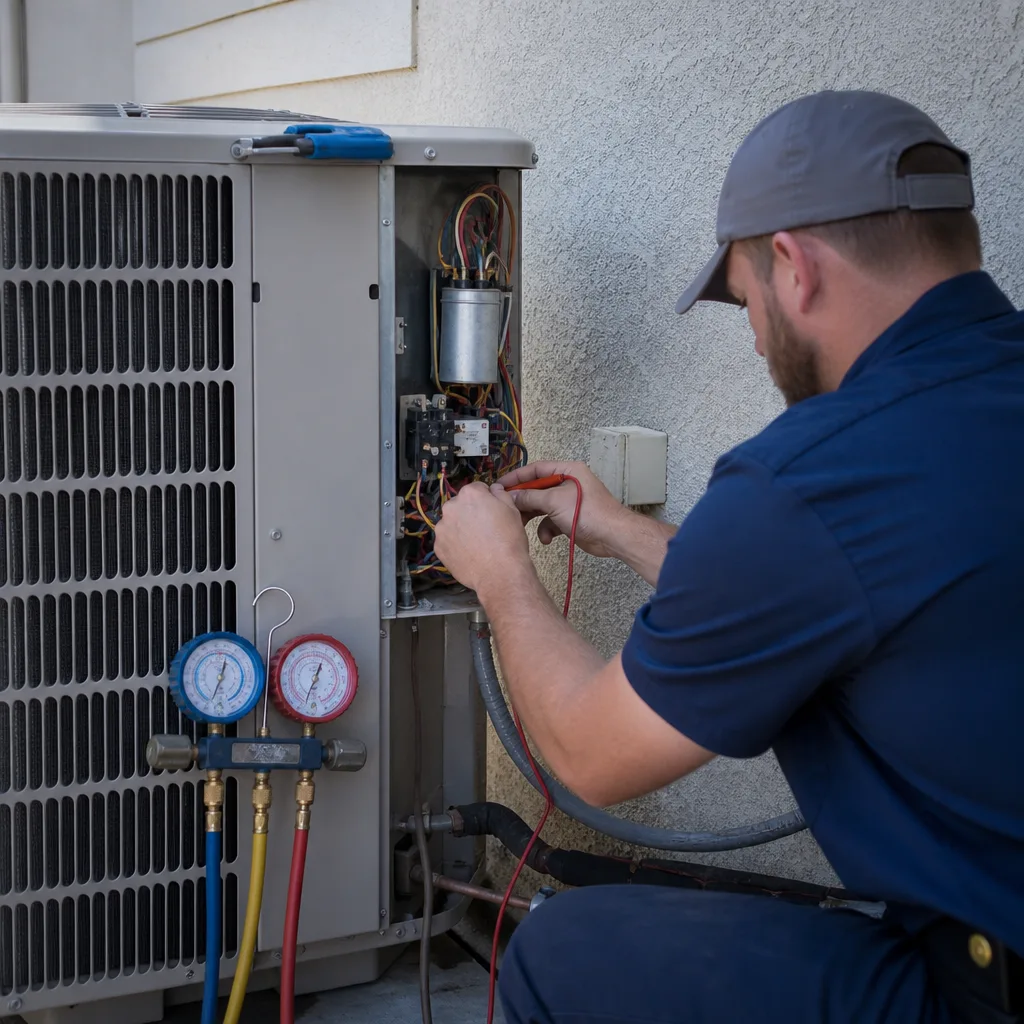 After
After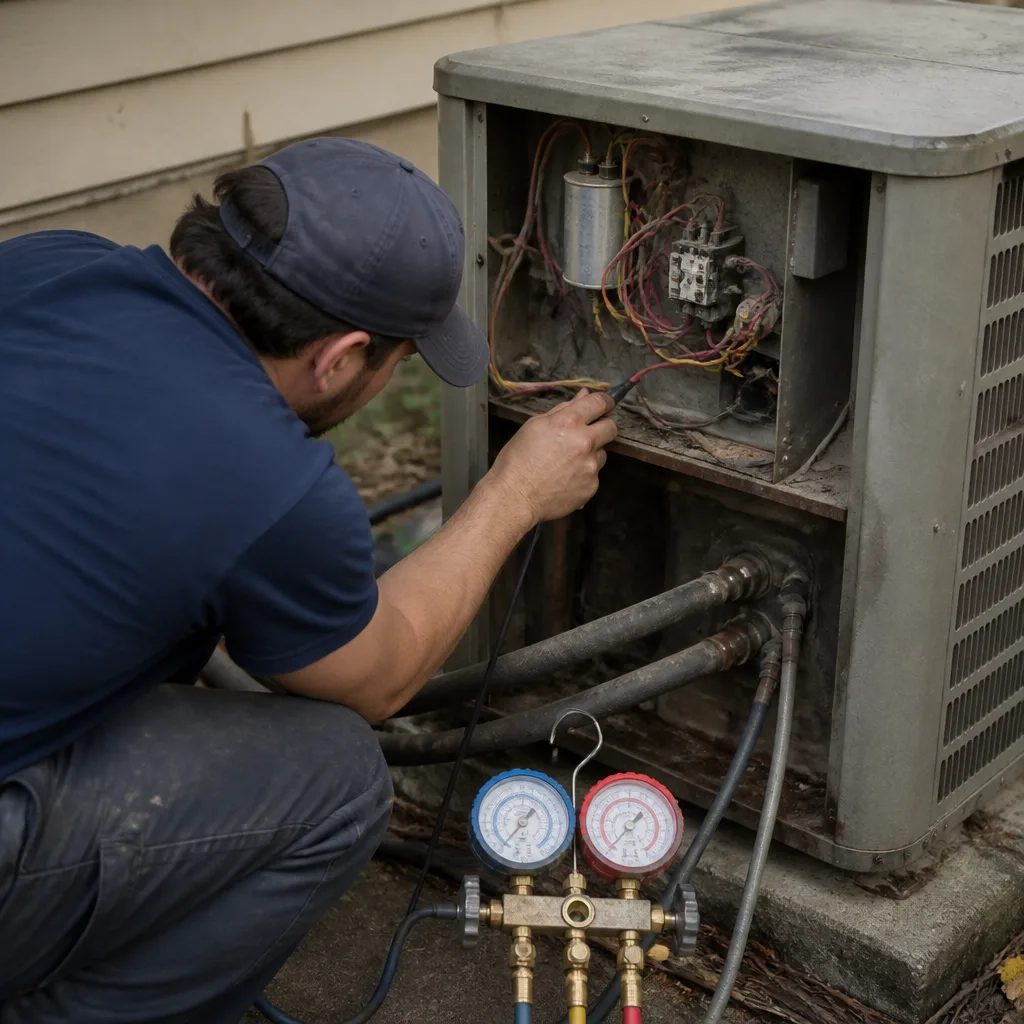 Before
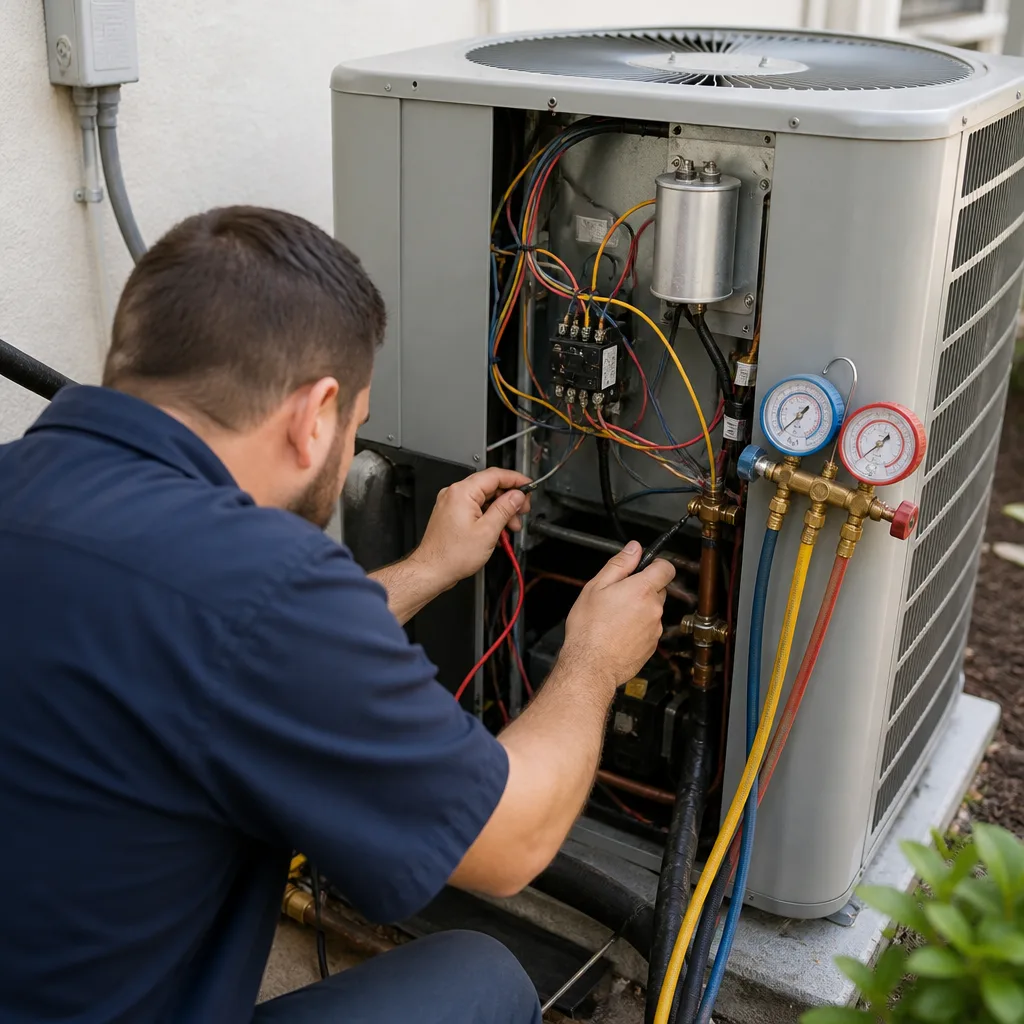 After
After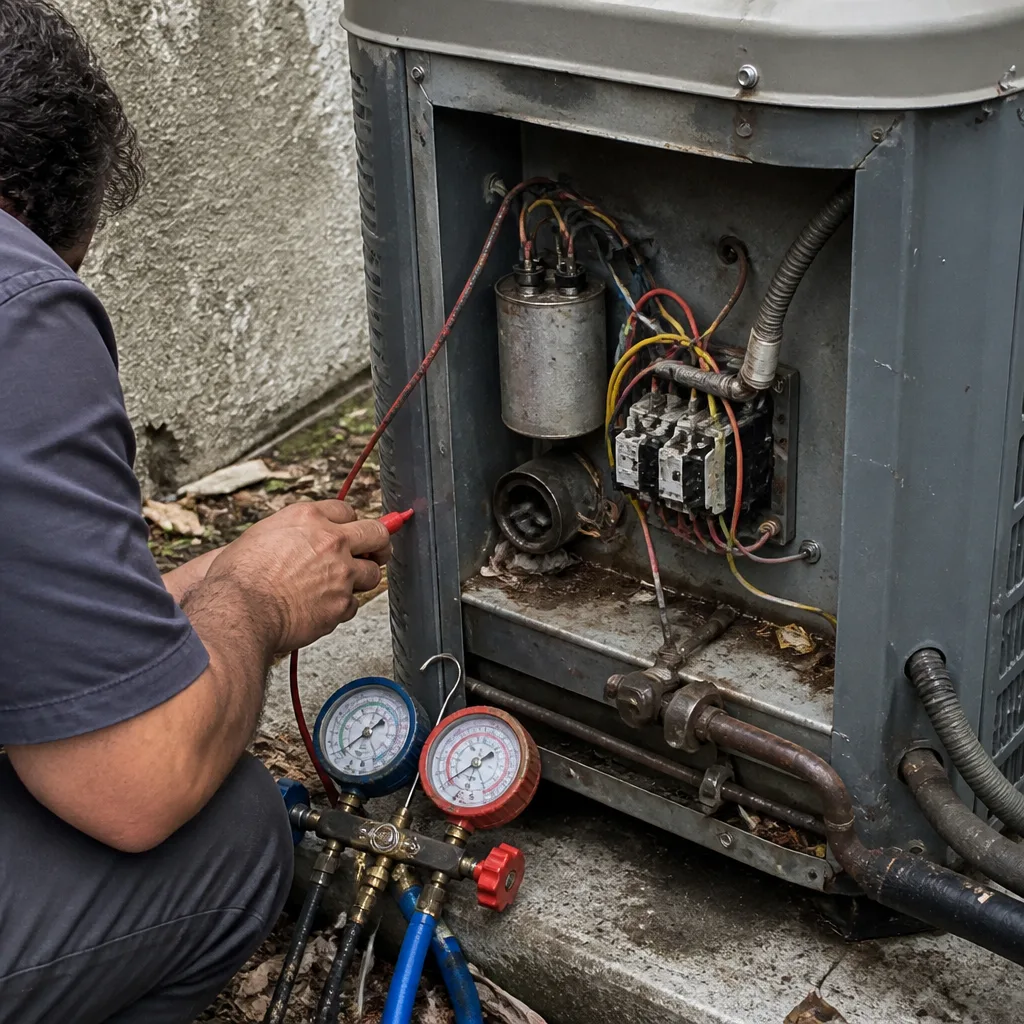 Before
 After
AfterReplacement Cost & What’s Included
Ductwork repair in Tampa lands between $150 and $650 on most calls. The low end covers a simple reconnect: a duct has pulled off a ceiling register boot, and we reattach it with a proper collar, sealant, and zip ties, then test airflow. The mid-range, $250 to $400, covers a section repair: a torn or crushed 6-inch or 8-inch flex run gets cut out and replaced with new insulated flex, with mastic on both connections. The high end, $450 to $650, is for a main trunk repair or multiple failed runs in a hard-access attic, where we’re replacing takeoffs, adding a damper, and rebuilding transitions to the Bryant air handler.
The price always includes the parts, the labor, sealing, and a written guarantee on the repair. If the same section fails within the coverage window, we come back at no charge. No hourly billing you have to guess at, no surprise add-on. The written price we hand you before work starts is the price you pay when the work is finished.
What drives the range is access. A duct in a walkable attic is quick work. A duct in a Tampa ranch house with a low crawlspace and blown insulation takes longer, and you’re paying for that labor honestly. The second factor is how much duct actually failed. One 8-foot run is simple. Six failed runs is a different job, and we’ll tell you that plainly before we start.
DIY or Call Us?
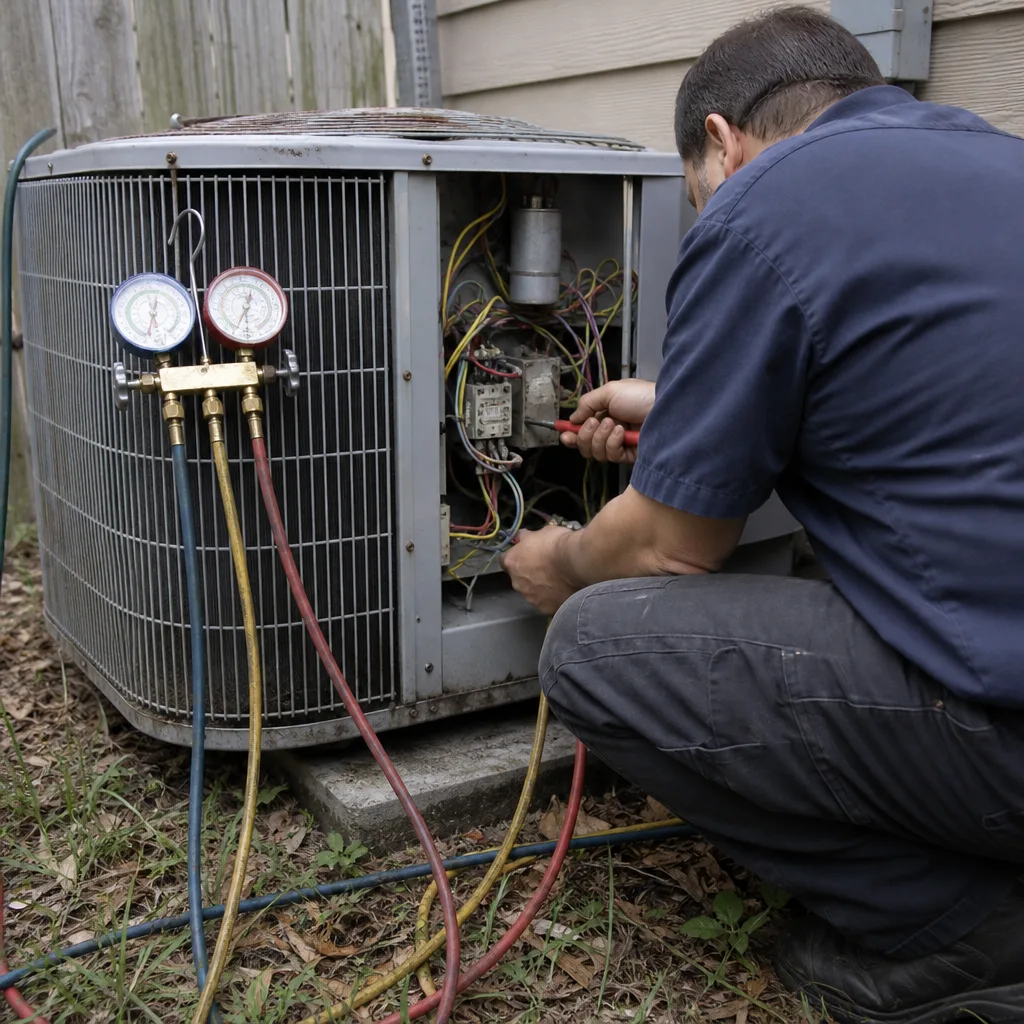
There are a couple of things you can safely check yourself before calling. Go up into the attic with a flashlight and look at the ducts you can reach. If a flex duct has visibly pulled off a register boot or is hanging loose, you’ve found the problem. If the outer jacket is torn and you can see wet insulation or dark spots, that is a leak. Do not start cutting into ducts, and do not attempt to repair anything with duct tape. Duct tape on actual ductwork is a temporary joke in this trade; it dries up and peels in a Florida attic within a year. Real duct sealing uses mastic or UL-rated foil tape.
The reason we say call for anything beyond a visual check is simple: a poorly reconnected duct leaks just as much as a broken one, and a collapsed duct often has more damage downstream than you can see from the access point. We do attic work in Tampa’s heat with proper knee boards and lighting, and we test static pressure after the repair, not just eyeball it. If you want a look at the damage and an honest verdict, call (850) 608-1463 and we’ll send a technician with a written quote before any work begins.
FAQs
Most flex duct installed in Tampa attics lasts 10 to 15 years before the outer jacket gets brittle from the heat and the inner liner starts degrading. Metal duct with proper sealing can last 25 years or more. The reality in Florida is that attic temperatures above 130 degrees in summer age duct faster than anywhere else in the country, so a 12-year-old system with original flex is due for an inspection.
If your Bryant system was installed a decade ago and you’re seeing the symptoms above, call (850) 608-1463. We’ll inspect the duct and give you a straight answer on what’s actually failed, not a scare pitch for a full replacement.
In most homes, ductwork can be repaired section by section. We replace the failed run or the torn connection and leave the rest alone. Full duct replacement only makes sense when multiple sections have failed, the duct is properly old, or the original install was undersized for the Bryant equipment it serves. We will always show you photos of what we found and quote the repair that fits the actual damage.
We do not sell duct replacement unless the evidence says you need it. Call (850) 608-1463 for an honest assessment with a written price.
A single duct reconnect or section replacement takes about 1 to 2 hours, including attic time and airflow testing afterward. Multiple failed runs or main trunk work can take a full day. We book online with a live arrival time you can track to the door, and the technician covers the work before starting so you know the day’s timeline before we open the attic.
Yes. Our trucks carry common sizes of insulated flex duct, takeoffs, collars, mastic, UL-rated foil tape, and dampers that work with Bryant air handlers of all series. If your repair needs a special-order transition or a custom sheet-metal piece, we can usually fabricate it within a day. The most common Bryant duct repairs are done the same visit, not a week later.
Call (850) 608-1463 and we’ll confirm the part we need is on the truck before the tech rolls to your house.
Written by Andre Fuller, Owner, Halden Heating and Air Tampa at Halden Heating and Air Tampa, serving Tampa and nearby areas.