
Last updated October 16, 2026
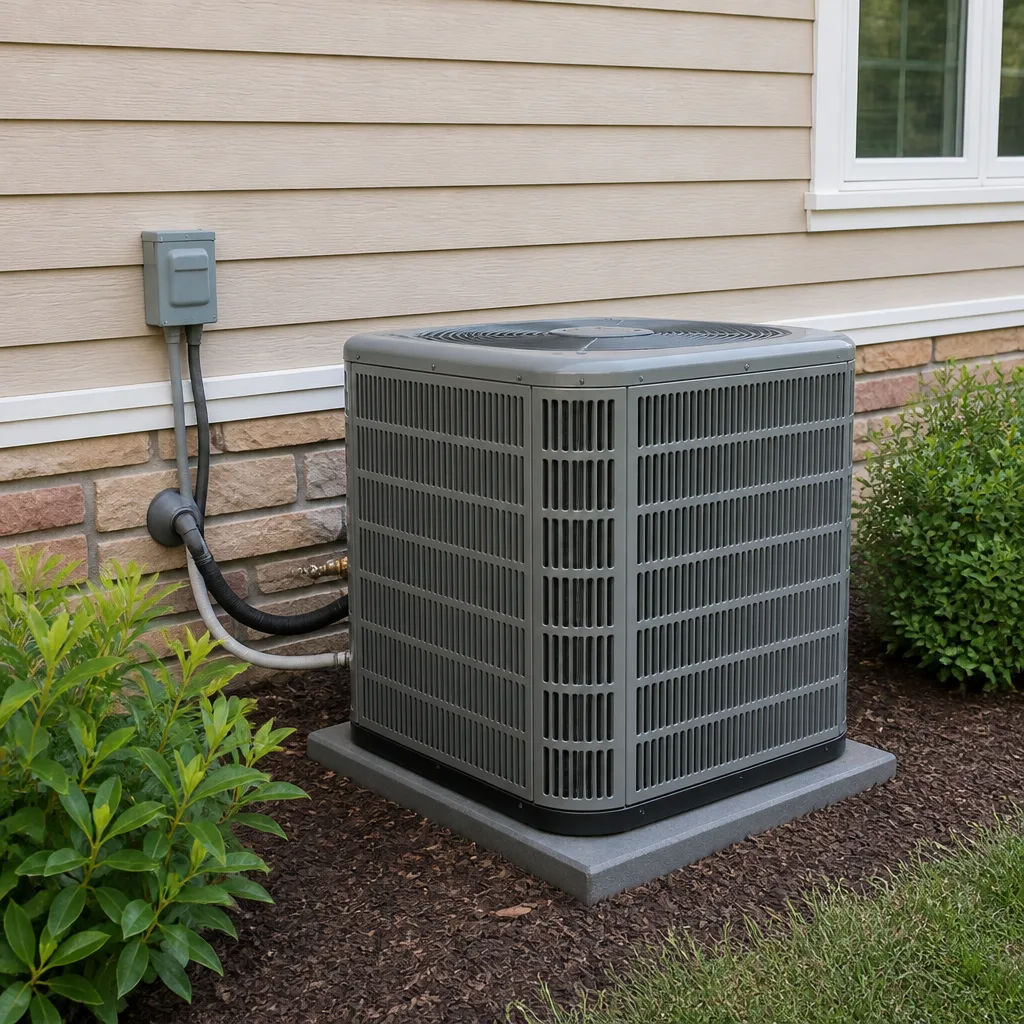 AC repair
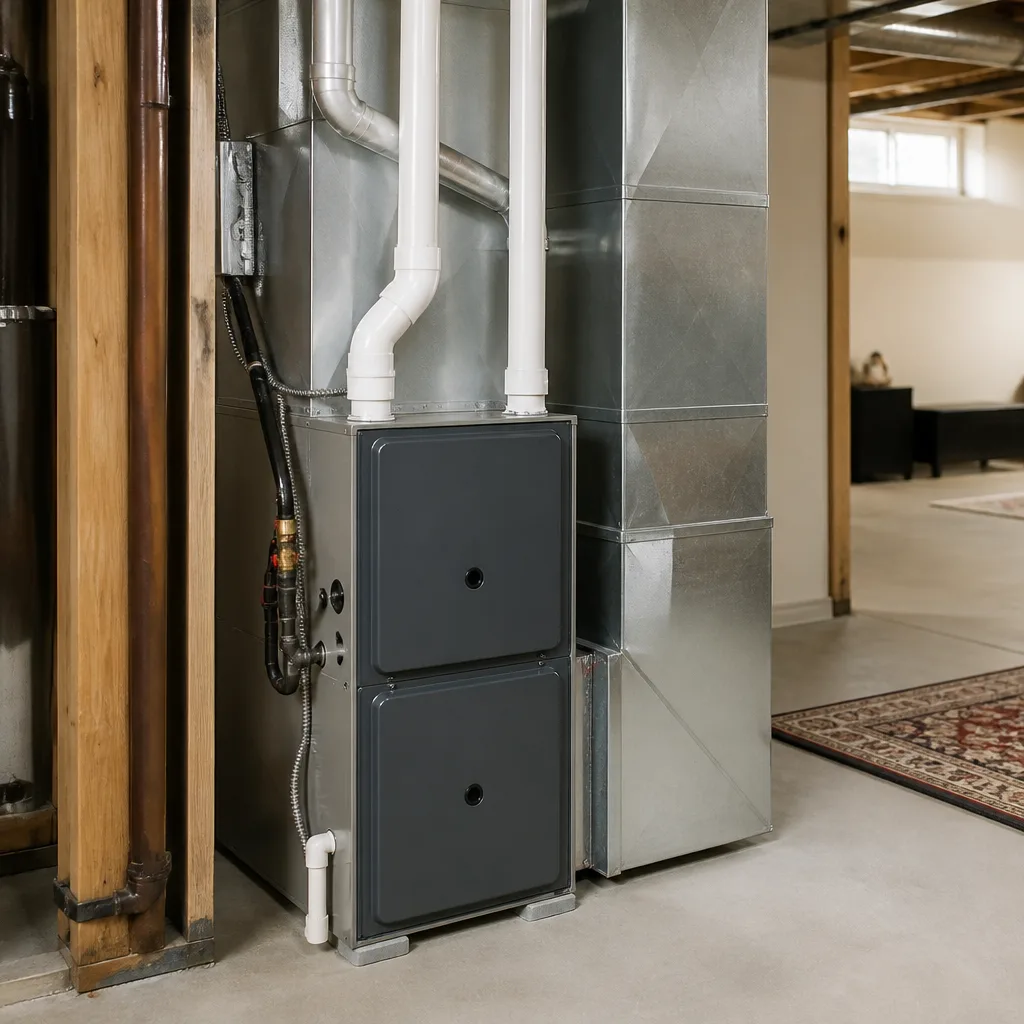 Furnace & heating
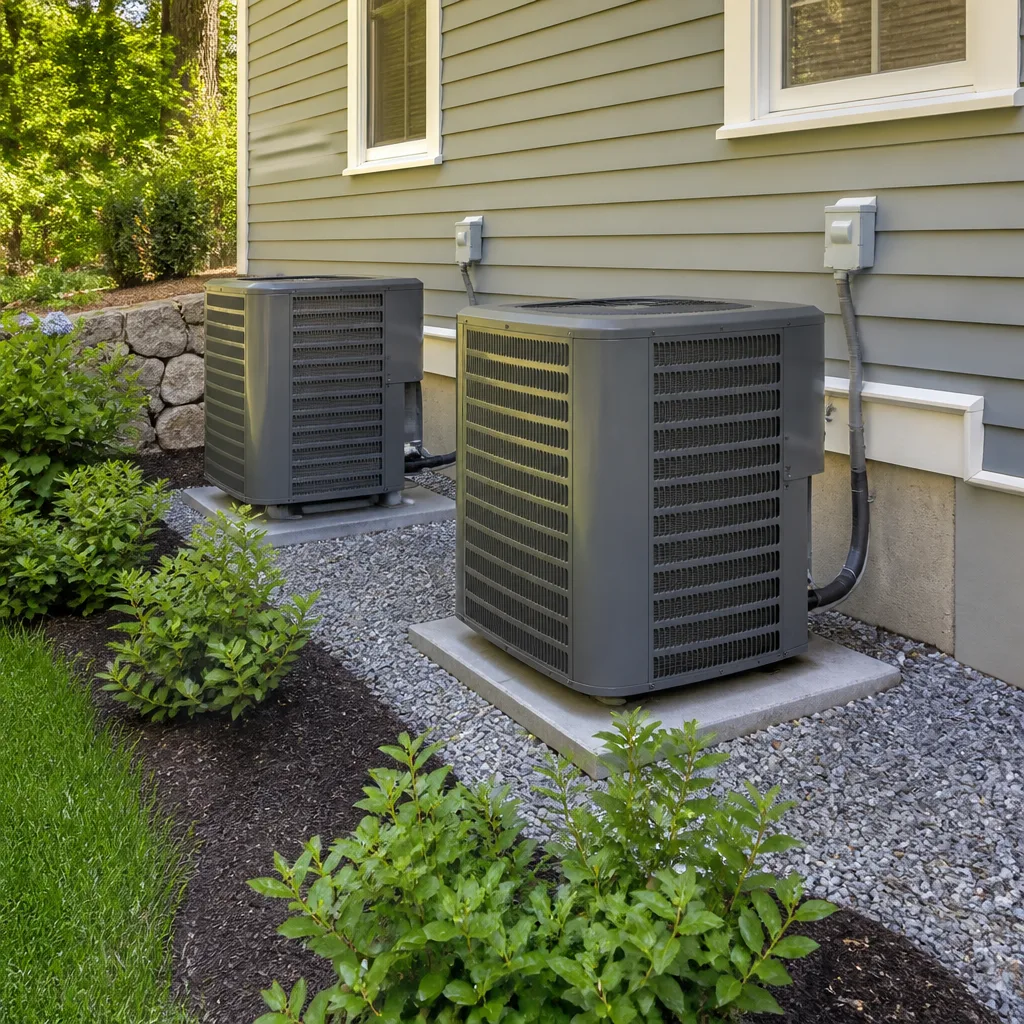 Heat pumps
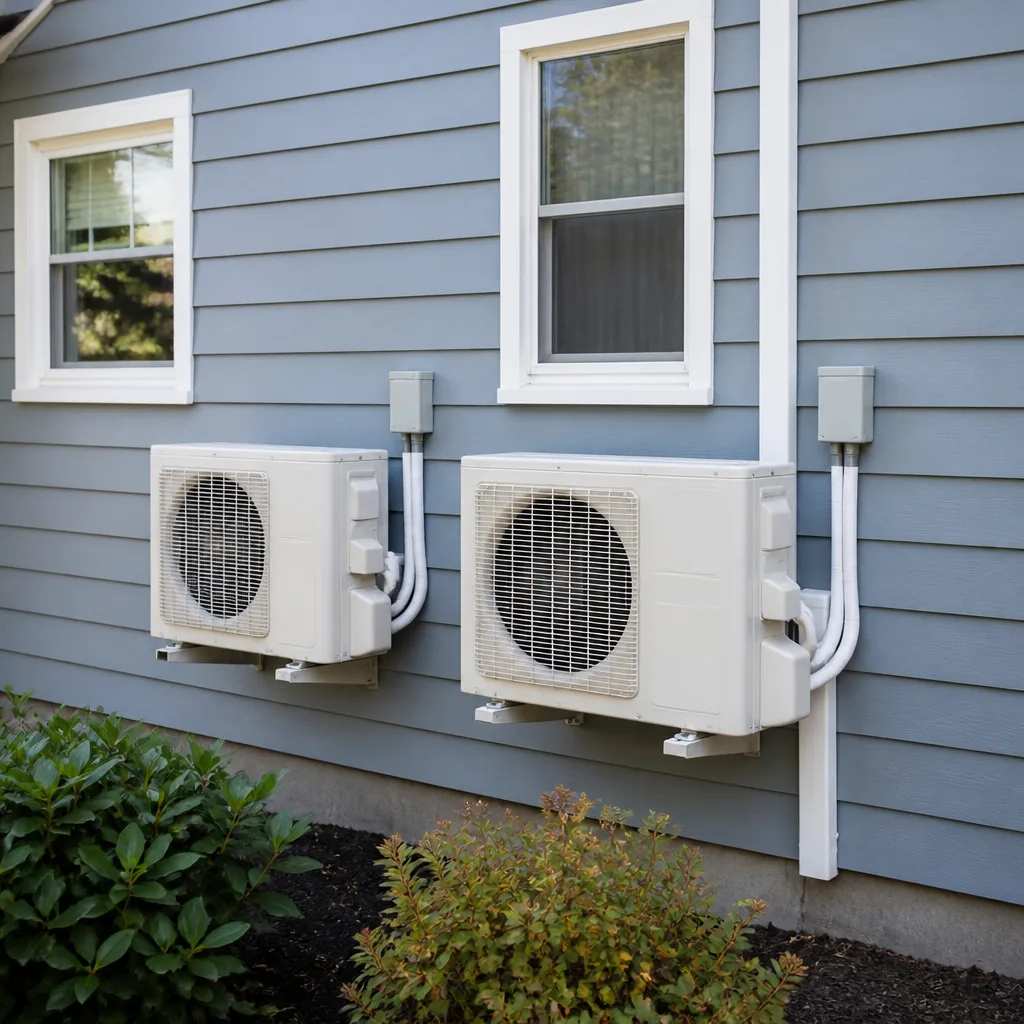 Ductless mini splits
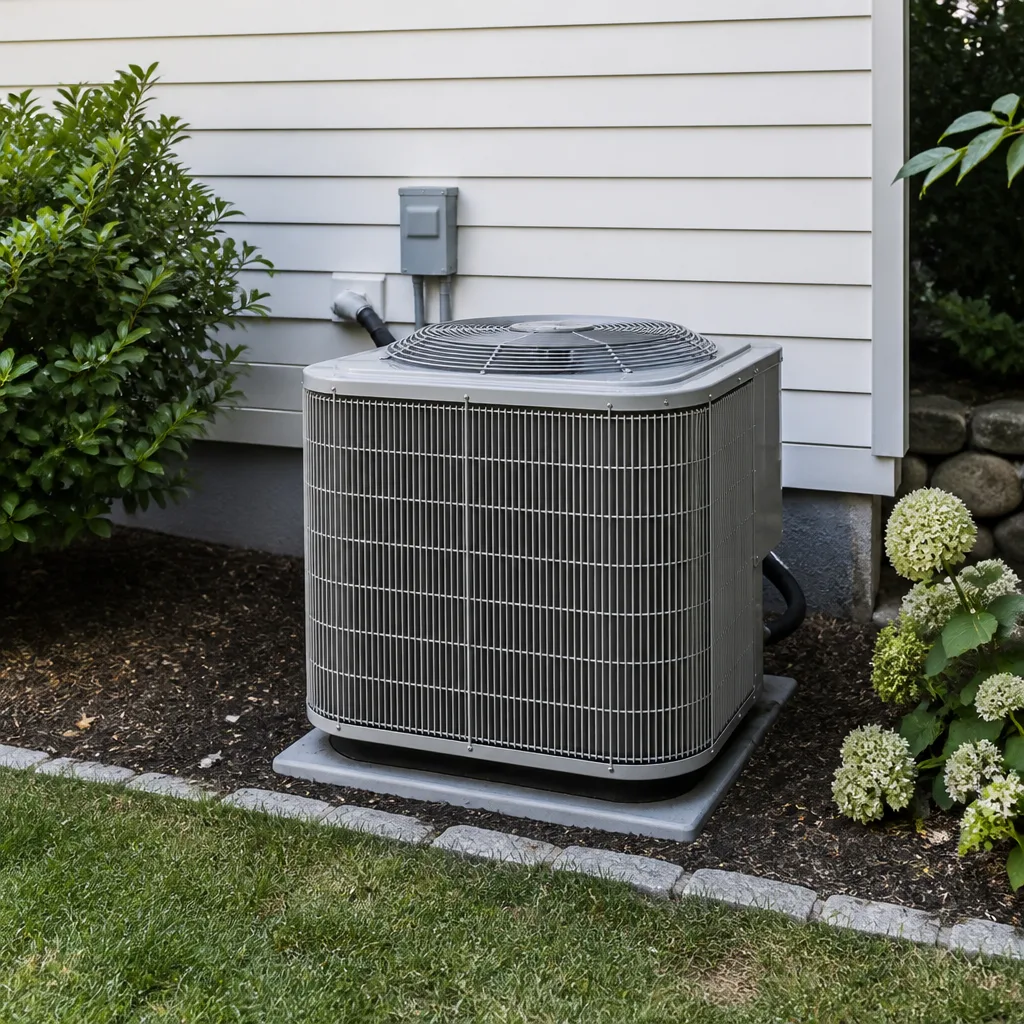 Carrier
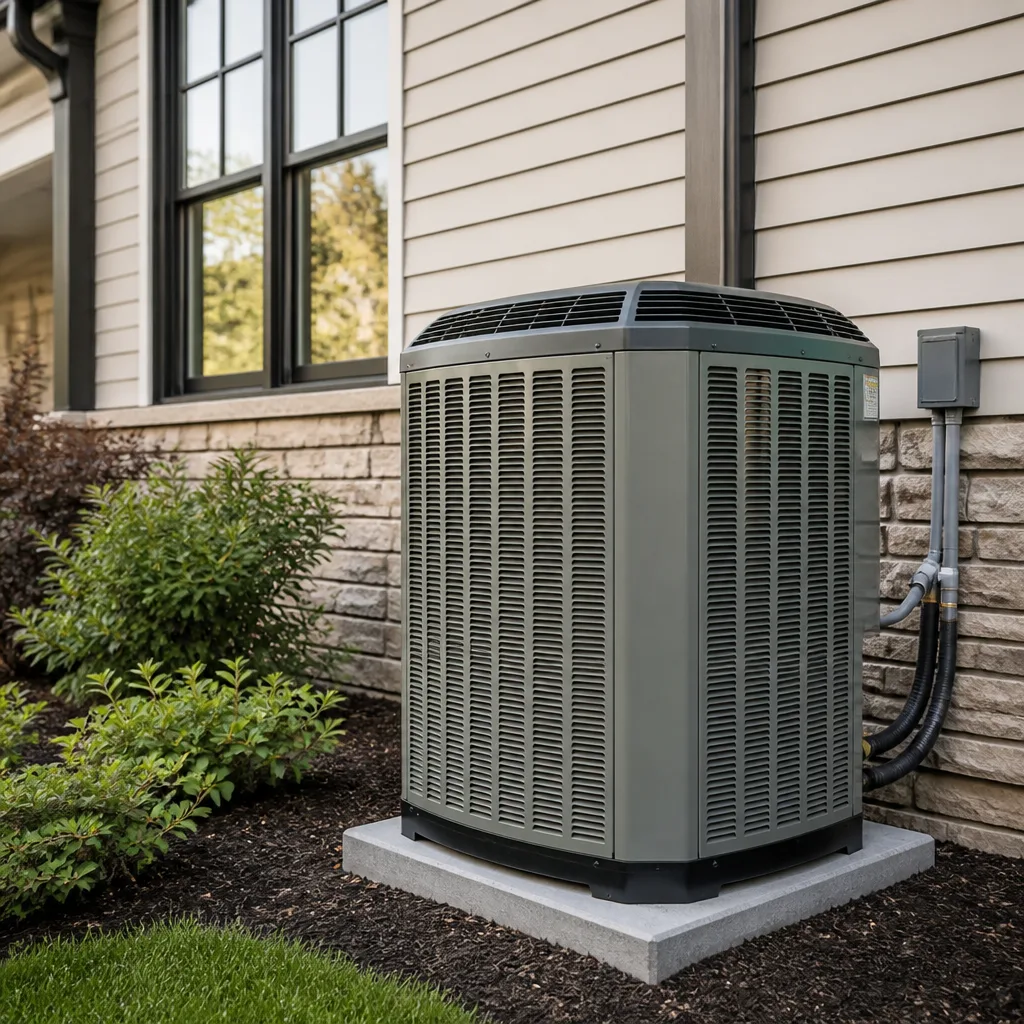 Trane
Trane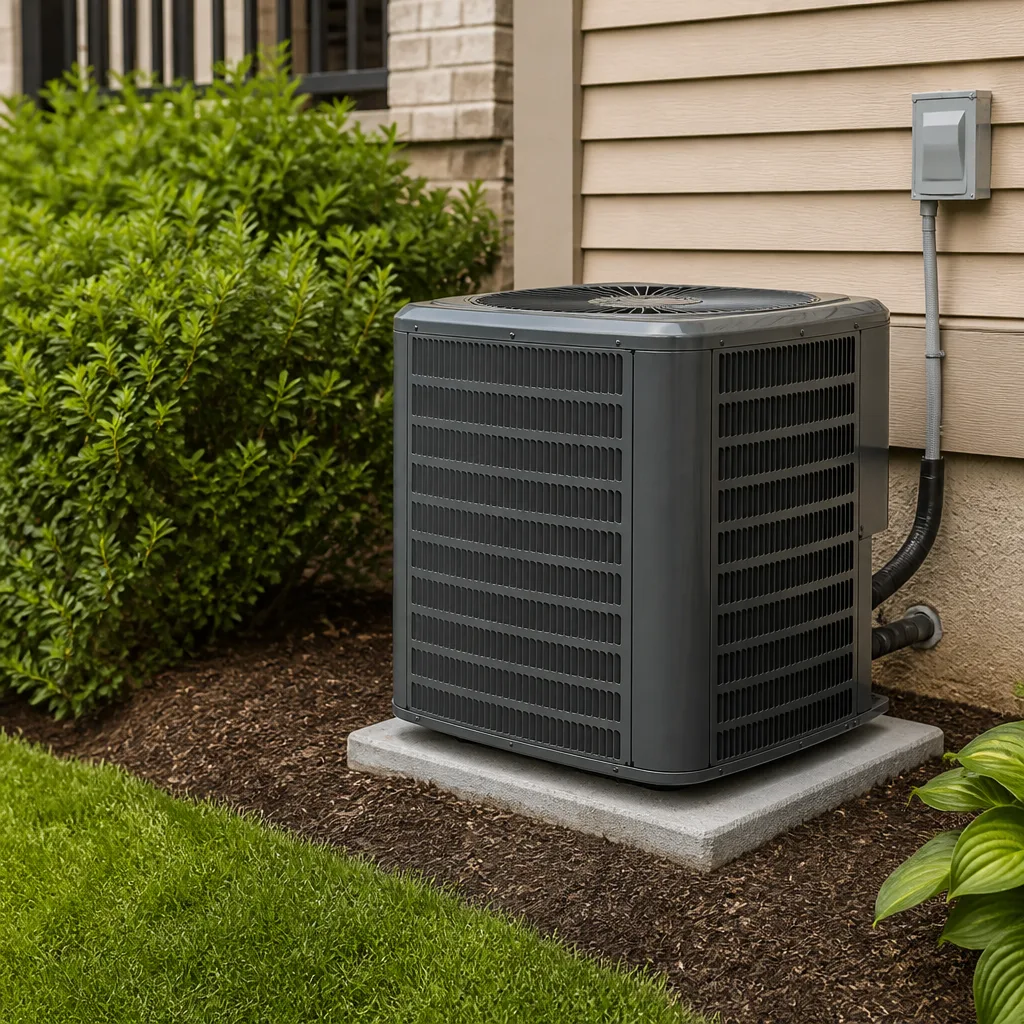 Goodman
Seasonal tune-up and full diagnostic on your Carrier, Trane, or Goodman system - readings shown to you before any repair is proposed
Diagnosis first, numbers second - you approve the repair price before a single part goes in.
Get your free estimateSeasonal HVAC Care for Tampa: Year-Round Homeowner’s Guide
February is the single best month to schedule HVAC maintenance in Tampa. Technicians are available, pricing sits at its lowest point of the year, and you’ve got roughly six weeks before your system starts running nonstop through the Florida heat. Most Tampa homeowners wait until May, when they’re competing with every other panicked household in the 813 for a service slot. This guide gives you a month-by-month playbook for keeping your air conditioning and heating systems running efficiently all year, without overpaying for maintenance or getting caught by predictable seasonal breakdowns.
Quick Answer
Seasonal HVAC care in Tampa means scheduling your annual maintenance in February or March before peak cooling demand starts, replacing filters every 30 to 60 days during heavy-use months, and using December through February to handle non-emergency repairs and system evaluations at off-peak pricing. The city’s two real HVAC seasons: the cooling grind from March through November, and the maintenance window from December through February that most homeowners waste by doing nothing.
Styles & brands we work with
Table of Contents
- Tampa Doesn’t Have Four Seasons: It Has Two
- Your Month-by-Month Tampa HVAC Calendar
- The Shoulder Season Trap: Why Your Heat Pump Wastes Money in Winter
- Hurricane Prep as an HVAC Task
- Peak vs. Off-Peak Pricing: The Real Dollar Difference
- The Maintenance Window Strategy: December Through February
- Common Mistakes to Avoid
- When to Call a Professional
Tampa Doesn’t Have Four Seasons: It Has Two
In Tampa, your HVAC system doesn’t care about the calendar the way homeowners in Boston or Chicago think about it. There’s no furnace season, no shoulder weeks where you leave the system off entirely. Instead, we operate on two distinct phases that determine everything from what your system needs to what you’ll pay for service.
Phase one: the cooling grind. From roughly March through November, your air conditioner or heat pump runs nearly every day. Tampa’s average daily high temperature exceeds 80°F from April through October, with summer humidity levels routinely above 70%. That’s a nine-month stretch where your system is doing real, sustained work. Condenser coils collect salt and sand from the bay breeze. Drain lines clog with the biofilm that thrives in Tampa’s damp air. Capacitors, the small electrical components that start your compressor and fan motors, fail more often in this heat than anywhere else in the country because they’re literally cooking on your roof or beside your house.
Phase two: the maintenance window. December through February. Tampa’s winters are mild, with average lows in the 50s and occasional dips into the 30s. Your AC gets its only meaningful rest of the year. And yet most homeowners treat these three months as if the HVAC system doesn’t exist. That’s the expensive mistake. This is the period when technicians have open schedules, parts suppliers run seasonal promotions, and you can actually get a thorough inspection without waiting behind a queue of no-cooling emergencies.
Understanding this two-season reality is the foundation of smart HVAC ownership in Tampa. Everything else in this guide builds from it.
Your Month-by-Month Tampa HVAC Calendar
Here’s the honest breakdown of what your HVAC system needs each month in Tampa, based on what we see in the field from thousands of service calls across the city. Some months genuinely require nothing. Others, if skipped, compound into predictable failures.
January: The Do-Nothing Month (Mostly)
January is the lowest-stakes month for your HVAC system in Tampa. Temperatures are at their coolest, your AC is barely cycling, and unless you’re running the heat on a cold night, the system is effectively resting. If your unit isn’t making strange noises and your energy bill hasn’t spiked unexpectedly, this is the one month where doing nothing is genuinely the right call.
One exception: if a cold front pushes temperatures into the 30s and you run your heat pump or furnace, pay attention to how it performs. Short cycling (turning on and off every few minutes), burning smells from a furnace, or a heat pump that runs but never quite warms the house are all early warning signs worth noting before you need emergency service.
February: Book Your Maintenance Now
February is the best month of the entire year to schedule your annual HVAC tune-up in Tampa. Here’s why: technician availability is wide open, which means you can actually book a time that works for you rather than waiting for a four-hour window. Pricing sits at off-peak rates, often 15 to 25 percent lower than summer service calls. And you get ahead of the March rush, which starts the moment Tampa’s first 90-degree day hits.
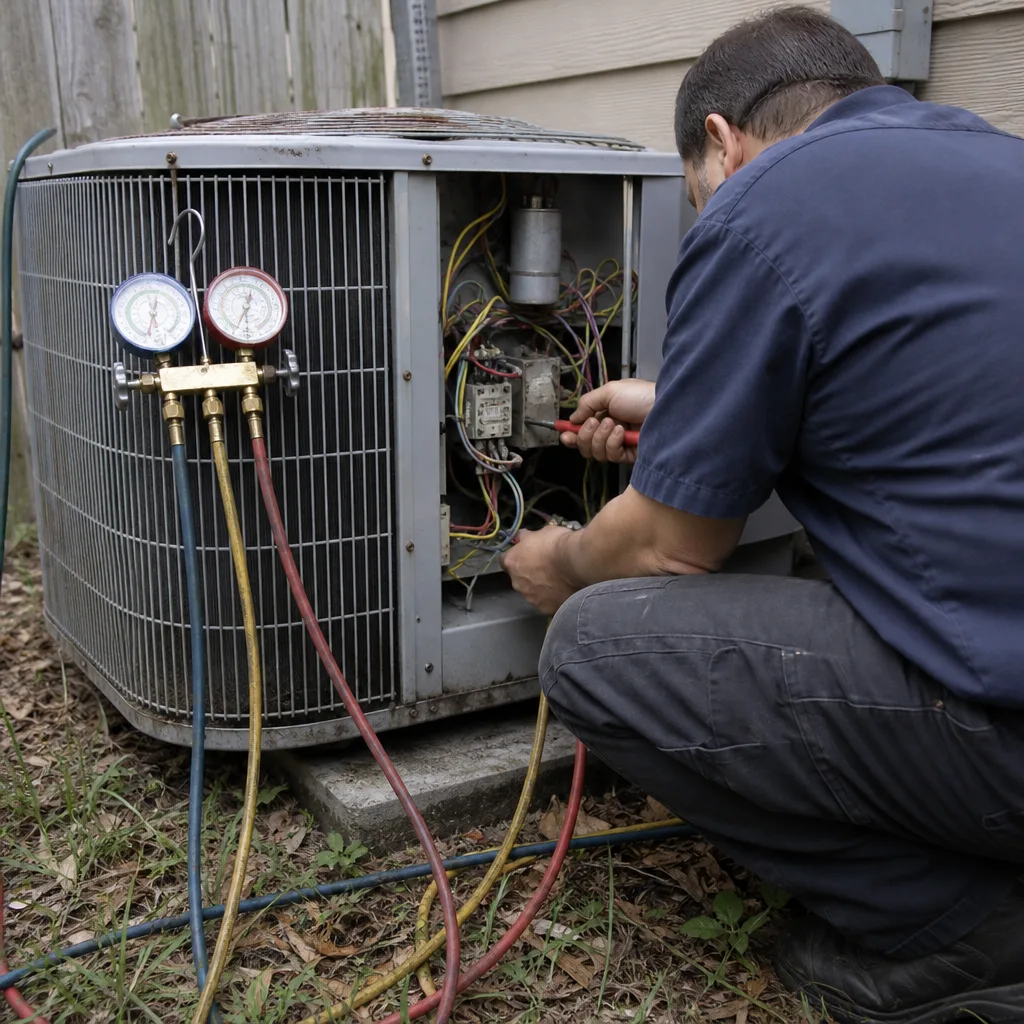
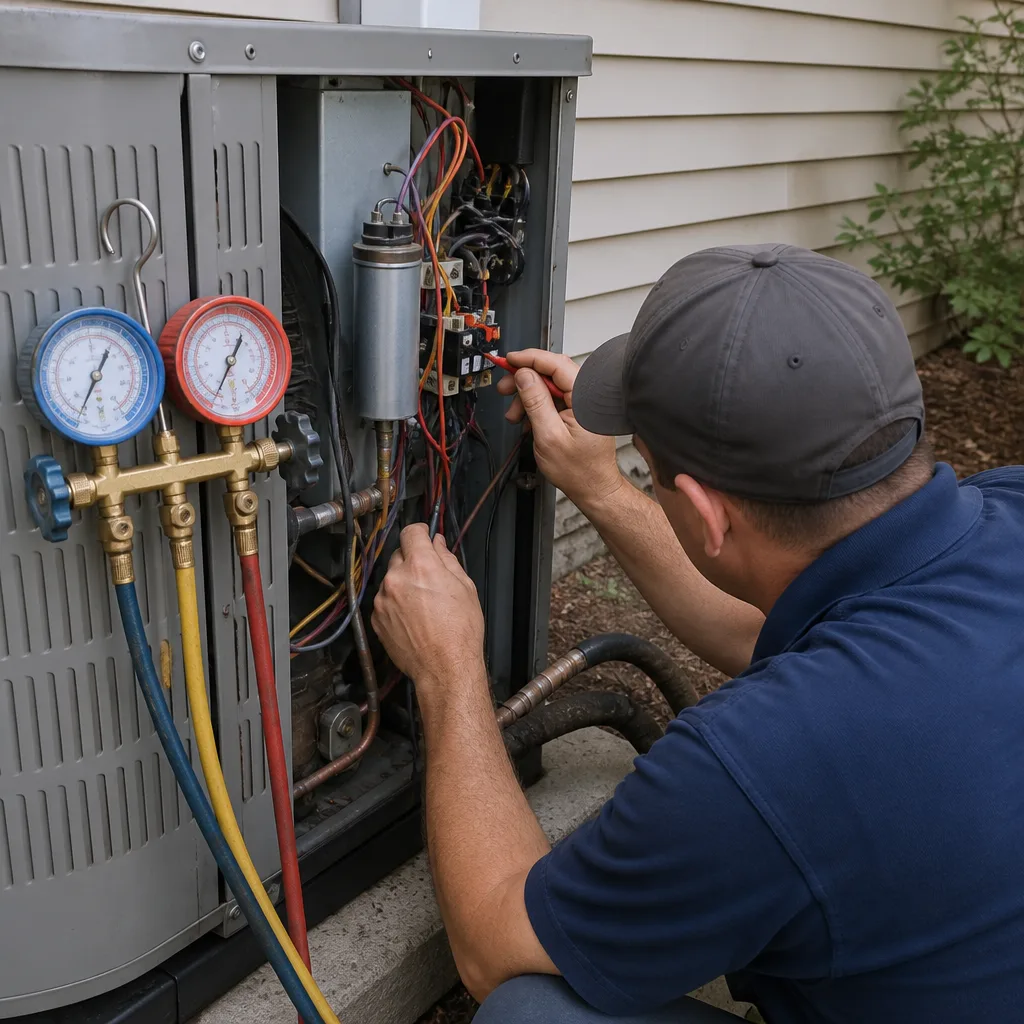
A typical February maintenance visit includes cleaning the condenser coil, checking refrigerant charge (the amount of coolant in your system), testing capacitors and contactors, clearing the condensate drain line, and inspecting electrical connections. In our experience, about one in four systems we inspect in February has at least one minor issue that would have become a summer breakdown if left unaddressed.
March: The Transition Month
March in Tampa is the pivot point. The average high jumps into the upper 70s, and by late March, your AC is running regularly again. If you didn’t book maintenance in February, early March is your catch-up window. After mid-March, you’re competing with the first wave of no-cooling calls as systems across the city get switched on for the first time in months and reveal problems.
At minimum, change your air filter in March. After three months of low use, it’s probably not clogged, but starting the cooling season with a fresh filter costs under $20 and sets the right baseline. Also, clear any leaves, pine needles, or debris that accumulated around your outdoor unit over the winter.
April: The Deferred Failure Month
Here’s a pattern we see every single year in Tampa: systems that skipped maintenance in February and March start failing in April. The first sustained heat waves push older capacitors, contactors, and fan motors past their limits. April is when the compounding risk of skipping maintenance shows up.
If you haven’t had your system checked yet, do it now. Specifically, ask the technician to test your capacitor. It’s a $15 to $40 part that we replace constantly in the spring because it fails silently and takes your entire cooling system down with it. Testing takes seconds. Replacing one proactively costs a fraction of what an emergency call runs in July.
May: The Panic Month Begins
May is when Tampa’s HVAC market flips from maintenance mode to emergency mode. Average daily highs hit the upper 80s. Every homeowner who put off service suddenly needs it. Technician schedules fill a week out. The smart play in May is to have already handled maintenance in February or March, leaving you free to simply change your filter and check that your drain line is clear.
If you’re reading this in May and haven’t had maintenance done, don’t panic. But do expect to pay peak-season rates and potentially wait longer for a non-emergency appointment. The earlier in May you book, the better your odds of getting a reasonable time slot.
June Through August: Filter Discipline and Drain Line Vigilance
Tampa summers are brutal on HVAC systems. Your AC may run 12 to 16 hours a day. In this environment, two things matter more than anything else:
- Filter changes every 30 days. A clogged filter starves your system of airflow, which forces it to work harder, run hotter, and cool less effectively. In Tampa’s humidity, damp filters also become breeding grounds for mold, which then circulates through your house. If you have pets, check your filter every two weeks.
- Drain line management. Your air conditioner pulls gallons of moisture out of Tampa’s humid air every day. That condensate drains through a PVC pipe to the outside. Over time, algae and biofilm build up inside the pipe and cause a clog. When that happens, water backs up into your home, often triggering a float switch that shuts your system down entirely. Pour a cup of white vinegar down the drain line once a month during summer to slow buildup.
During these months, if your system needs a repair, it needs it now. A dead AC in a Tampa August isn’t an inconvenience; it’s a genuine health risk, especially for elderly family members, young children, and anyone with respiratory issues. AC Repair in Tampa should happen same-day when possible, and our phone lines are answered by a real person 24/7 for exactly this reason.
September: Stay Vigilant
September in Tampa is still fully summer. Highs stay in the upper 80s to low 90s, and humidity remains relentless. Keep up your monthly filter changes and drain line treatments. This is also a good month to check on your system’s overall performance: has your energy bill crept up compared to last September? Is the system running longer to achieve the same temperature? These can be early signs of low refrigerant or a weakening compressor.
September is also peak hurricane season. Your HVAC hurricane plan should already be in place (more on that below), but if it’s not, now is the time to prepare.
October: The Second Failure Wave
October catches Tampa homeowners off guard. It’s still hot, with average highs in the mid-80s, so your AC is still working hard. But it’s also been working hard for seven straight months. Components that survived the summer often fail in October because they’ve accumulated enough wear without a break.
We see a second wave of capacitor failures, contactor burnouts, and compressor problems in October that rivals April. If you’ve been diligent with maintenance, you’re probably fine. If you skipped February, this is often when the bill comes due. October is also the last month before the maintenance window opens, so if you need a repair, get it done now rather than limping along.
November: The Wind-Down
November is the first genuinely low-stakes month since January. Temperatures moderate, your system’s workload drops, and the pressure eases off. This is a good month to review your energy bills from the cooling season and note anything unusual. If your system struggled through the summer, November is also a good time to start thinking about whether a replacement might be warranted before next year’s grind begins. A thorough AC Installation in Tampa consultation can help you understand your options without the pressure of an emergency.
December: Begin the Maintenance Window Strategy
December opens the maintenance window. This is when you can realistically negotiate multi-year maintenance agreements, lock in off-peak pricing for any non-emergency work, and schedule inspections at your convenience rather than a technician’s. December is also the right time to schedule any furnace or heat pump heating service before the coldest nights arrive. While Tampa winters are mild, a furnace failure on a 35-degree night is still uncomfortable and entirely preventable with a pre-season check. Our Furnace Repair in Tampa team handles heating systems of all types, including the brands most common in the area.
The Shoulder Season Trap: Why Your Heat Pump Wastes Money in Winter
Tampa’s winter nights regularly dip into the 50s, and a few times a year into the 30s. That’s cold enough to trigger your heat pump’s heating mode. And here’s the problem: most thermostats shipped with heat pump systems are programmed with default settings designed for colder climates like Atlanta or Charlotte, not for Tampa’s mild winters. Those defaults often cause the system to engage auxiliary heat strips, which are essentially electric resistance heaters, far more often than necessary.
Heat strips use three to four times more electricity than the heat pump itself. Running them on a night when the temperature is 50°F is like using a space heater to warm your living room while your efficient central system sits idle. In a Tampa winter, a misconfigured thermostat can add $50 to $100 to your monthly electric bill without you ever noticing.
We’ve walked into homes in South Tampa, Carrollwood, and Westchase where the thermostat was set to bring on auxiliary heat any time the outdoor temperature dropped below 60°F. That’s a setting designed for northern climates. For Tampa, the auxiliary heat threshold should typically be set much lower, often in the 30s or low 40s, depending on your system’s specific capabilities.
The fix is simple and takes a technician minutes during a maintenance visit. If you’ve never adjusted these settings, ask during your next tune-up. The energy savings typically cover the cost of the maintenance visit within a month or two of winter operation.
For homes with traditional gas furnaces rather than heat pumps, the winter concern is different but equally important. Gas furnaces in Tampa often sit unused for nine or ten months, then get fired up on the first cold night and reveal a problem. Rust on the burners, a dirty flame sensor, or a cracked heat exchanger are all common findings. A pre-season furnace check in December catches these before you need them.
Hurricane Prep as an HVAC Task
Most Tampa homeowners think about hurricane prep in terms of shutters, water, and evacuation routes. Your HVAC system deserves the same level of attention. Here’s what to do before a storm and after it passes.
Before a Storm Approaches
- Turn off the breaker for your outdoor condenser unit. If the system is running when storm surge or flooding hits, electrical damage can be catastrophic. Power surges from lightning strikes are also a common cause of fried control boards and compressors. Turning off the breaker eliminates that risk.
- Secure the outdoor unit. Most condenser units are heavy enough to resist wind on their own, but loose panels, missing screws, or a unit that’s not properly anchored can shift in strong winds. If you’re in an evacuation zone or expecting high winds, consider strapping the unit or checking that mounting bolts are tight.
- Clear loose debris from around the unit. Anything that can become a projectile, such as lawn furniture, potted plants, or yard tools, should be moved indoors or secured. A flying object at 100 mph will dent or puncture a condenser coil.
- Take photos of your equipment. If you need to file an insurance claim after the storm, before photos of your condenser, air handler, and any visible electrical connections will make the process significantly easier.
After the Storm Passes
Before you turn the system back on, do a visual inspection. Check for standing water around the condenser. If the unit was submerged or partially submerged, do not turn it back on. Call a licensed technician to disassemble, dry, and inspect the components before power is restored. Saltwater exposure from storm surge is especially corrosive to electrical connections and coils.
Check for dents, missing panels, and bent fins on the outdoor unit. Minor cosmetic damage is usually fine. But if the fan blade is bent or the coil has been punctured, running the system can cause further damage.
Here’s what matters for insurance: most homeowner policies in Florida cover damage to HVAC equipment if it’s caused by a named peril like wind, hail, or lightning. Typical covered scenarios include a tree falling on the unit, wind-driven debris damaging the coil, or a power surge damaging the control board. What’s typically not covered is flood damage from storm surge, which requires a separate flood insurance policy through the National Flood Insurance Program. General wear and tear, or a system that was already failing before the storm, is never covered.
If you’ve documented the unit’s condition with photos before the storm and can show the specific damage after, your claim process will move much faster. File the claim promptly, and get a written repair estimate to submit. Many Tampa homeowners don’t realize that hurricane-related HVAC damage is often covered, and they pay out of pocket for repairs that insurance would have reimbursed.
Peak vs. Off-Peak Pricing: The Real Dollar Difference
The same HVAC maintenance visit costs different amounts in Tampa depending on when you book it. Here’s the reality from the provider side: in February, a service company has technicians available and is willing to offer competitive pricing to fill their schedules. In July, every technician in the city is running emergency calls, and you’re paying for urgent availability.
A typical AC tune-up in Tampa runs between $89 and $189 in the peak season months of May through September. That same tune-up in February or March often runs $69 to $129. The difference comes from basic supply and demand. In the winter maintenance window, we’re scheduling tune-ups weeks out at stable pricing. In the summer, we’re squeezing in maintenance visits between emergency calls that take priority.
The gap gets even wider for repairs. Here’s a realistic pricing table based on what Tampa homeowners actually pay:
| Service | Off-Peak (Dec – Feb) | Peak (May – Sep) |
|---|---|---|
| AC tune-up / seasonal maintenance | $69 – $129 | $89 – $189 |
| Capacitor replacement | $120 – $200 | $180 – $300 |
| Drain line unclog | $90 – $150 | $140 – $250 |
| Refrigerant top-off + leak search | $180 – $350 | $300 – $550 |
| Full system diagnostic | $80 – $130 | $110 – $200 |
These ranges reflect the Tampa market specifically, where high humidity, salt air from the bay, and a long cooling season all shape wear patterns and pricing. Your exact quote will depend on the system, the specific issue, and the age of the equipment, but the seasonal pattern holds true across the city.
The best way to lock in off-peak pricing is to schedule maintenance before March 1. After that, you’re paying peak rates for the rest of the year.
The Maintenance Window Strategy: December Through February
Smart Tampa homeowners use the winter maintenance window strategically. It’s not just about getting a tune-up at a lower price. It’s about using the lowest-demand months of the year to make decisions that will save you money all year long.
Here’s a concrete strategy we’ve watched work for years:
- Schedule your annual maintenance in February. Lock in off-peak pricing before the seasonal rate increase. Get a full inspection of your system while the technician has time to be thorough, not rushed between emergency calls.
- Negotiate a multi-year maintenance agreement. In the winter, we’re more willing to offer favorable terms on annual maintenance plans because we’re looking to fill predictable, recurring work. A two- or three-year agreement locks in current pricing and typically includes priority scheduling during peak season, which is the single most valuable benefit when your AC fails in August.
- Handle any non-emergency repairs now. If your February inspection reveals a weakening capacitor, a slow refrigerant leak, or degraded electrical connections, fix them in February at winter rates. The same repair in July costs more and often comes with a wait.
- Evaluate replacement options without pressure. If your system is 12 years old or older, it’s approaching the end of its expected lifespan in Tampa’s punishing climate. A winter consultation gives you time to explore options, compare equipment from manufacturers like Goodman, Rheem, York, or Daikin, review efficiency ratings and rebate eligibility, and make a decision without the pressure of a dead system in 95-degree heat. Equipment pricing also tends to be more negotiable in the winter when demand is low.
- Confirm your hurricane readiness. While the pressure is off, verify that your condenser is properly anchored, your electrical connections are secure, and you know which breaker controls your outdoor unit. You’ll be glad you did when the first named storm approaches.
The homeowners who get the most value from their HVAC systems in Tampa aren’t the ones who react to problems. They’re the ones who use the three quiet months to prepare for the nine demanding ones.
See the difference
 Before
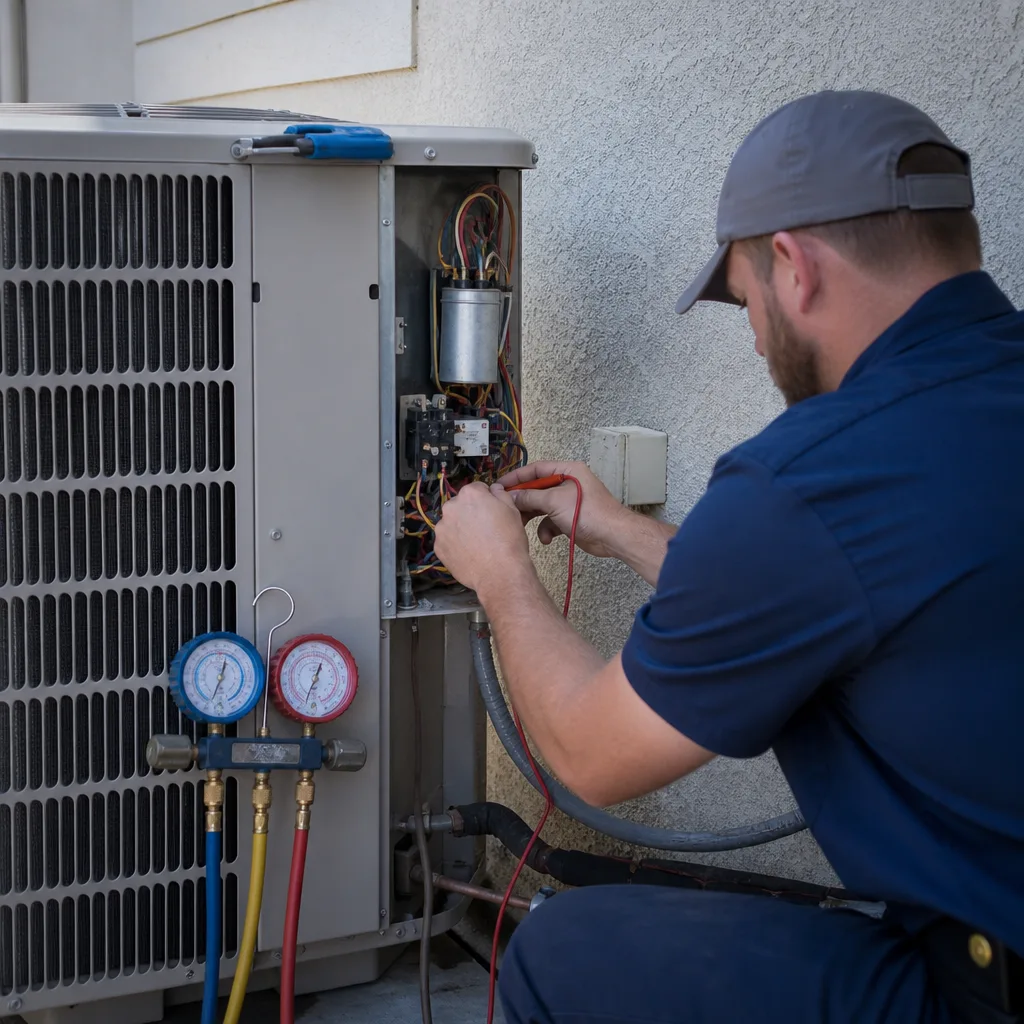 After
After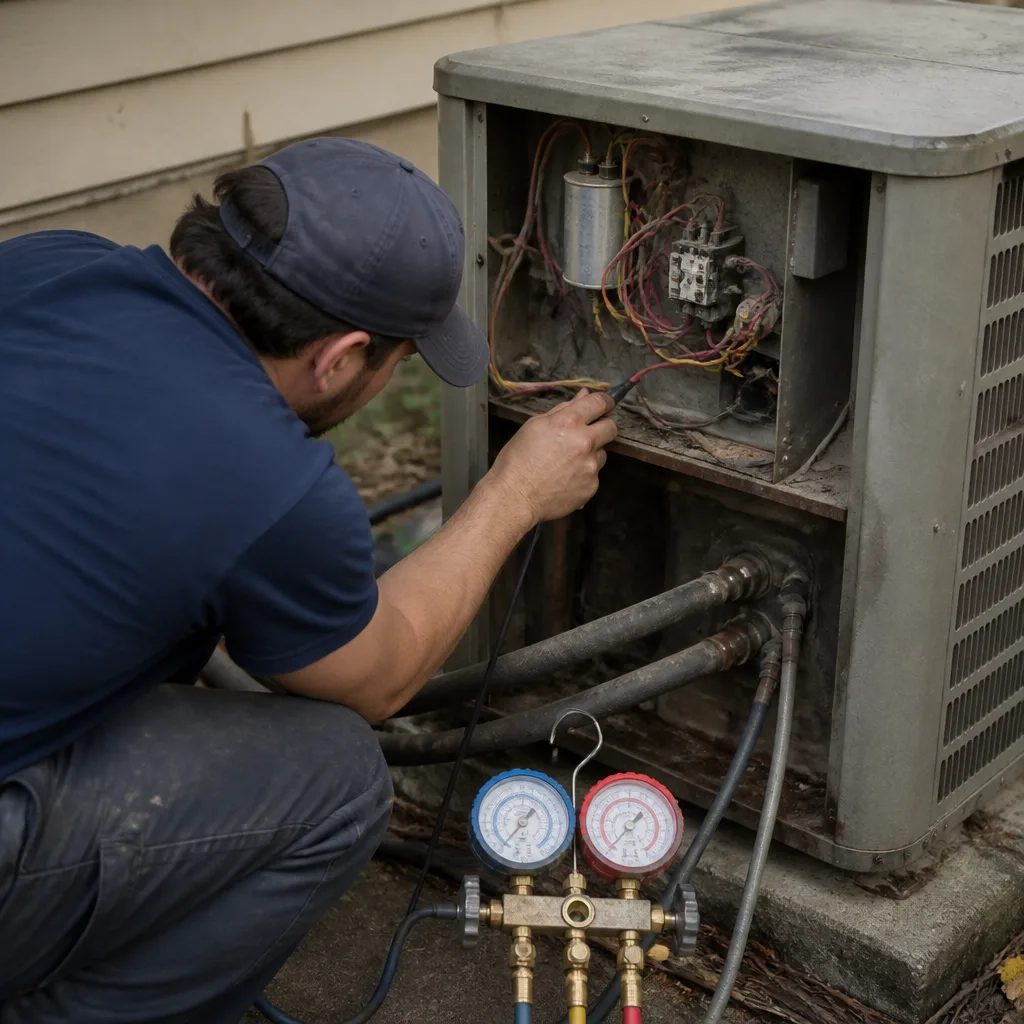 Before
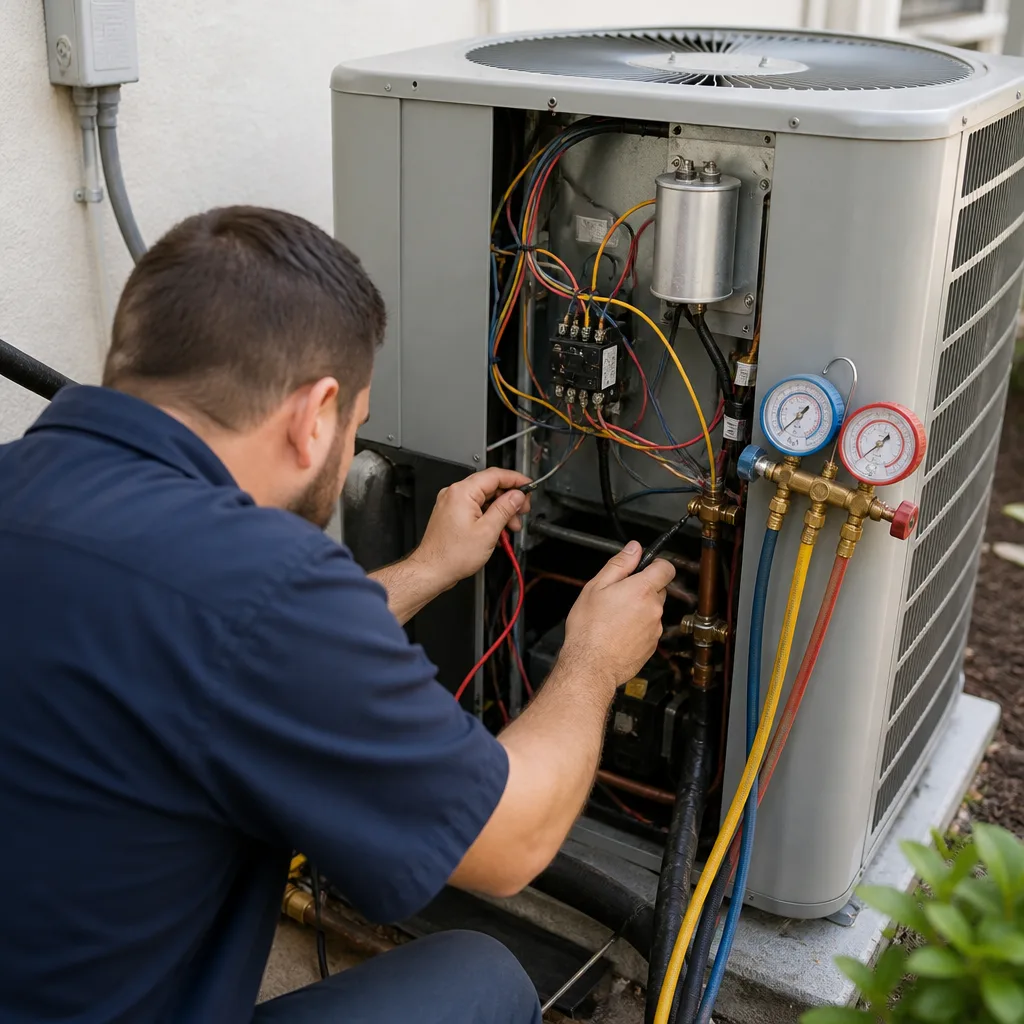 After
After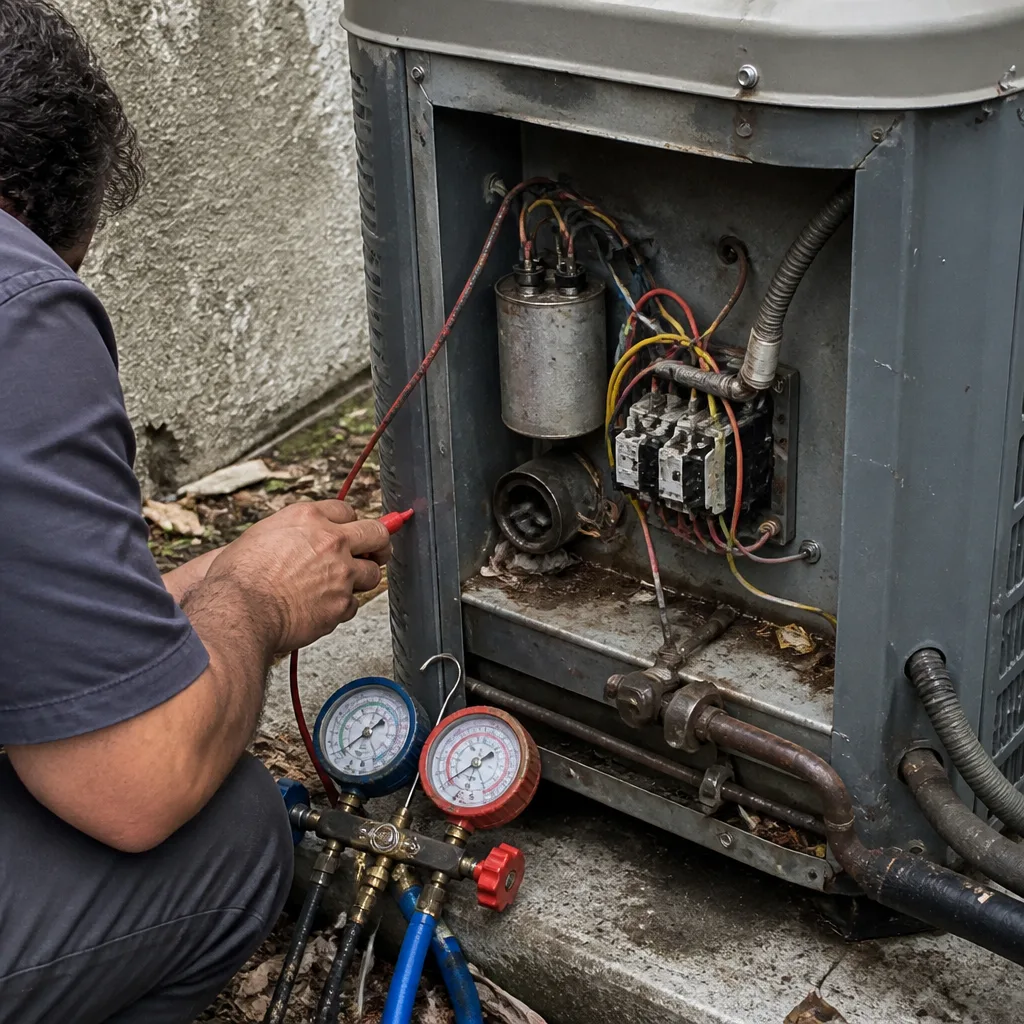 Before
 After
AfterQuick Answers to Seasonal Questions
How often should I change my air filter in Tampa?
Every 30 days during peak cooling months (May through September), and every 60 days during lighter-use months. Homes with pets, smokers, or high dust levels should check filters every two weeks during summer. A dirty filter increases energy consumption and reduces cooling capacity in Tampa’s humidity.
Is it worth paying for HVAC maintenance in Tampa?
Yes. A February tune-up costing under $130 catches minor issues before they become summer breakdowns. Emergency repairs in July routinely run $250 to $550 for the same components that a maintenance visit would have flagged months earlier. The math favors maintenance every time.
What temperature should I set my thermostat in a Tampa summer?
A setting of 78°F is the standard efficiency recommendation for Tampa summers, but comfort preferences vary. What matters more than the exact number is consistency: dramatic setbacks cause your system to work harder and longer. If you’ll be away for more than four hours, setting the thermostat 5 to 7 degrees higher saves energy without causing a recovery struggle.
Common Mistakes to Avoid
- Waiting until May to schedule maintenance. By May, you’re competing with every other delayed Tampa homeowner for limited technician time at peak-season rates. February and March scheduling gets you better pricing, better availability, and a system that’s ready before the heat arrives.
- Ignoring the condensate drain line until water backs up. Tampa’s humidity makes drain clogs one of the most common HVAC failures in the city. A cup of white vinegar monthly during summer prevents the algae blooms that cause overflows and system shutdowns.
- Setting the thermostat too low. Running your AC at 70°F during a 95°F Tampa summer day doesn’t cool your home faster; it just makes the system run continuously, increasing wear and energy costs. Set it to a reasonable temperature and let the system cycle normally.
- Neglecting the outdoor condenser unit. Tampa’s salt air, vegetation, and debris accumulate on condenser coils and restrict airflow. A coil that’s not cleaned annually works harder, runs hotter, and fails sooner. Annual cleaning is part of every quality maintenance visit.
- Skipping maintenance on a new system. Some homeowners assume a new AC unit doesn’t need attention for years. But Tampa’s climate wears down all equipment, and manufacturer warranties often require documented annual maintenance to remain valid.
- Running the system after a hurricane without inspection. If your outdoor unit was exposed to storm surge, flooding, or wind-driven debris, do not turn it on without a professional inspection. Running a flood-damaged system can cause electrical fires or catastrophic compressor failure.
- Choosing a contractor based on price alone. The cheapest tune-up often means the least thorough inspection. What matters is what’s included, what’s documented, and whether the technician has the time to do the job right. In the winter, quality maintenance providers have the capacity to be thorough.
When to Call a Professional
Some HVAC tasks are genuinely DIY-friendly: changing filters, clearing debris from around the outdoor unit, pouring vinegar down the drain line. Others require a trained technician with specialized equipment. Here are the situations where you should call a professional rather than attempting a fix yourself:
Any issue involving refrigerant, electrical components, or the compressor. Refrigerant handling requires EPA certification. Electrical work on capacitors and contactors carries real shock and fire risk. A compressor is a sealed unit that can’t be safely repaired by a homeowner.
Any time your system is short-cycling, making unusual noises, or running without producing adequate cooling or heating. These symptoms often indicate multiple potential causes that require diagnostic tools to identify precisely.
Any time your system isn’t cooling at all. In Tampa’s summer heat, a dead AC is urgent. Most no-cooling calls are caused by failed capacitors, contactors, or thermostat issues, but only a diagnostic visit can confirm the actual cause. Halden Heating and Air Tampa offers free estimates in Tampa, call (850) 608-1463. We’re locally operated under the Relay Home Co. network, founded in 2004 by Andre Fuller, and every call is answered by a real person, 24/7. Book online, get a live arrival time, and track your tech to the door. Every job includes a written price before work starts and a written guarantee on every repair, no exceptions.
Read more about our services at the Halden Heating and Air Tampa home page to see what sets us apart and how we serve homeowners across the Tampa area.
Frequently Asked Questions
Once per year at minimum, ideally in February or March before the cooling season begins. Tampa’s climate puts more stress on HVAC systems than most of the country, and annual maintenance catches the wear that would otherwise become a summer breakdown. Homes with older systems or heavy usage may benefit from two visits per year, one in late winter and one in mid-summer for a filter and drain line check.
A standard seasonal maintenance visit includes cleaning the condenser coil, checking refrigerant levels, testing capacitors and contactors, clearing the condensate drain line, inspecting electrical connections, lubricating moving parts where applicable, and testing overall system performance. You should receive a written report documenting what was checked, what was found, and what was done. If a company doesn’t provide documentation, ask for it.
In Tampa, a seasonal tune-up typically runs between $69 and $189 depending on the time of year and the specific services included. Winter maintenance visits sit at the lower end of that range, while peak-season visits in June through August run at the higher end. AC Repair in Tampa appointments that reveal failed components will cost more than a maintenance-only visit, with most repairs falling between $150 and $500 depending on the part.
You can, but it’s a risk. Most manufacturers’ warranties, including those from Goodman, Rheem, York, and Daikin, include language requiring documented annual maintenance for warranty coverage to remain valid. Skipping maintenance also allows minor issues like refrigerant leaks or electrical degradation to go undetected until they cause larger problems. Regular maintenance is the most cost-effective way to protect your investment.
Most HVAC systems in Tampa last 12 to 15 years with proper maintenance. If your system is in that age range and requiring repairs that cost 30 to 50 percent of a replacement, start planning for replacement. The winter months are the best time to evaluate AC Installation in Tampa options, compare efficiency ratings, and take advantage of off-peak equipment pricing. Furnace Repair in Tampa for heating systems follows a similar pattern: older systems with repeated failures are often better replaced than repaired again.
No, but running it with the wrong thermostat settings will cost you money. Heat pump systems with misconfigured auxiliary heat settings can burn through significantly more electricity than necessary on Tampa’s mild winter nights. A quick thermostat settings check during your annual maintenance ensures your heat only activates when it’s genuinely needed and your heat pump is doing the efficient work it’s designed for.
The Bottom Line
Tampa’s HVAC calendar boils down to a simple principle: use the quiet winter months to prepare for the relentless summer grind. Schedule your maintenance in February, lock in off-peak pricing, address any repairs you’ve been putting off, and make sure your thermostat is properly configured for Florida’s mild winters rather than northern defaults. Change your filters monthly during summer, treat your drain line with vinegar, and have a hurricane plan for your equipment. These habits cost less than one emergency repair call and prevent most of the breakdowns that plague Tampa homeowners every year.
If you’re ready to get ahead of your HVAC maintenance, give us a call at (850) 608-1463. A real person answers, 24/7. We’ll schedule your maintenance at a time that fits your life, send a background-checked technician with a live arrival time you can track, and provide a written price before any work starts. That’s how we’ve operated since 2004, and it’s how we’ll serve your Tampa home for years to come.
Written by Andre Fuller, Owner at Halden Heating and Air Tampa, serving Tampa since 2004.